2026 Top Rough Terrain Crane Features and Buying Guide?
In recent years, the demand for rough terrain cranes has surged, driven by the construction industry's rapid evolution. According to the World Crane Market Report, the global crane market is expected to reach $40 billion by 2026, with rough terrain cranes playing a significant role. These cranes offer unique advantages, such as mobility on challenging landscapes, making them ideal for construction sites and infrastructure projects.
The latest models showcase features that enhance performance and safety. Many rough terrain cranes now include advanced load sensing technology. This capability ensures stability and precision during lifting operations. Additionally, manufacturers are focusing on operator comfort, incorporating ergonomic controls and advanced cab designs.
Despite advancements, selecting the right rough terrain crane can be daunting. Buyers must consider factors like lift capacity, reach, and terrain type. It’s essential to evaluate specific project requirements to avoid costly mistakes. Understanding the machinery's operational limits can lead to better decision-making. With the right knowledge and tools, acquiring a rough terrain crane can meet both immediate and long-term project needs.
Key Features of 2026 Top Rough Terrain Cranes
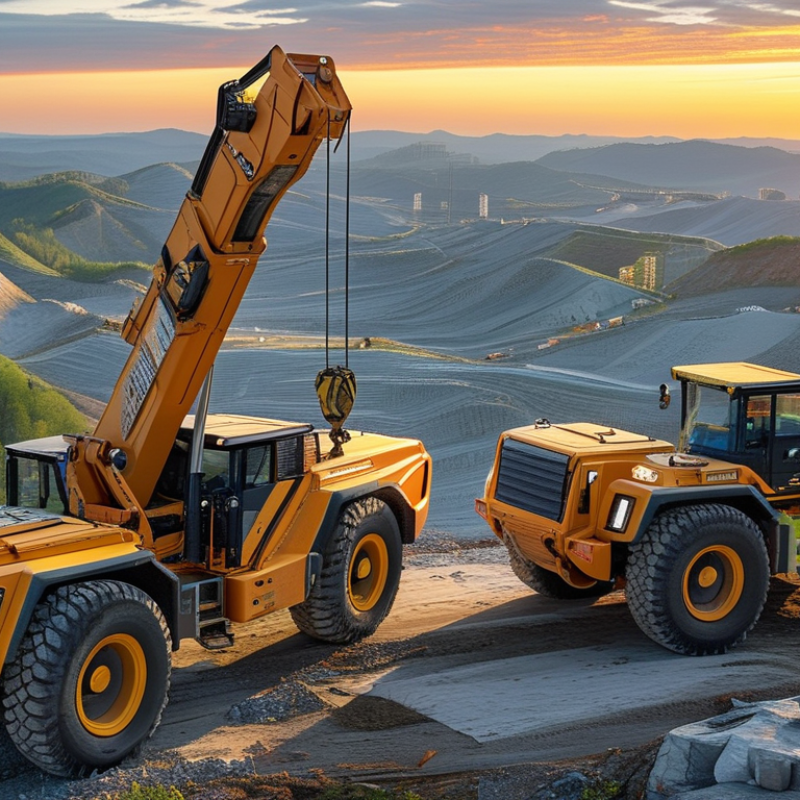
When considering the top rough terrain cranes of 2026, several key features stand out. Enhanced load capacities, often exceeding 100 tons, are crucial for the demanding construction environments. Advanced four-wheel drive systems improve maneuverability. This is especially important in rugged conditions. Operators appreciate cranes with improved visibility and ergonomic controls, making them more user-friendly.
Data from industry reports, such as those from the American Crane and Transport (ACT), indicate that cranes equipped with state-of-the-art stability systems can reduce the risk of accidents by up to 30%. Safety should not be overlooked. Models with automatic load monitoring systems enhance safety and performance, ensuring compliance with regulations.
Tip: Regular maintenance can extend crane lifespan. Invest in diagnostic tools to monitor system health. As technology progresses, seeking versatility in features will be vital. Options for boom extensions and attachments can offer flexibility on diverse job sites. However, it’s critical to assess whether these features meet specific project requirements. Always analyze your needs before purchasing.
Essential Buying Considerations for Rough Terrain Cranes
When considering a rough terrain crane, several essential factors come into play. The crane’s load capacity is crucial; it typically ranges from 15 to 100 tons. Understanding the specific capacities needed for your projects can greatly influence purchasing decisions. Recent industry reports indicate that cranes with higher mobility and better lifting capabilities are increasingly in demand, especially in construction and heavy-duty industries.
Another important aspect is the operating radius. Many rough terrain cranes can lift loads at significant distances, often exceeding 30 feet. Evaluating the site conditions is key. Rough terrains or uneven surfaces require cranes designed for stability and maneuverability. This compatibility ensures safety and efficiency during operations.
Tips: Always check for compliance with safety standards. Also, consider serviceability and access to parts. Regular maintenance can enhance a crane’s lifespan and performance. Lastly, scrutinize warranty offerings; they can provide crucial support after the purchase. Investing in a rough terrain crane is not just about initial costs, but understanding long-term operational needs.
Comparative Analysis of Leading Rough Terrain Crane Models
When evaluating leading rough terrain crane models, it is essential to consider the lifting capacity, reach, and maneuverability. A recent market report indicates an increasing demand for cranes that can handle loads above 50 tons. Many operators prefer models that balance power with accessibility. The growing trend towards compact designs allows these machines to fit in tighter job sites while maintaining robust performance.
A comparative analysis reveals that hydraulic systems play a crucial role in a crane's efficiency. Models equipped with advanced hydraulic features demonstrate faster operating speeds and enhanced precision. Additionally, payload management systems are becoming standard, ensuring optimal load distribution. Regular maintenance and operator training can significantly impact the longevity and efficiency of these machines, a factor often overlooked by buyers.
Tips: Always assess your specific project needs before purchasing a crane. Understand the terrain, weight requirements, and space limitations. Consult industry reports to stay updated on technological advancements. Remember, having the right crane can make or break your project’s success.
Maintenance and Safety Tips for Rough Terrain Crane Users
When operating a rough terrain crane, safety and maintenance are paramount. Regular checks can prevent accidents and extend the crane's lifespan. Users should inspect the crane before each use, checking for leaks, tire pressure, and any wear on cables. A well-maintained crane not only ensures safety but also enhances overall performance.
Tips for effective maintenance include lubricating moving parts and ensuring that safety features are functional. The operator should be familiar with the load charts and adhere to weight limits. Inexperienced operators may overlook these details. Missing a crucial inspection could lead to significant issues.
Safety training is essential. Operators should undergo certification programs and refreshers regularly. In addition, using proper personal protective equipment, like helmets and harnesses, is vital when working alongside these machines. Operators need to foster a culture of safety, where they feel comfortable raising concerns. Regular team meetings can greatly improve communication and awareness in regards to safety.
2026 Top Rough Terrain Crane Features
This bar chart illustrates the key features of the top-rated rough terrain cranes in 2026, highlighting differences in lifting capacity, maximum reach, hinge height, weight, and fuel efficiency.
Future Trends in Rough Terrain Crane Technology
As the rough terrain crane industry evolves, several trends are setting the stage for future developments. One notable trend is the integration of advanced technology, particularly telematics. Industry reports indicate that telematics can enhance operational efficiency by up to 20%. This technology allows operators to monitor real-time data, such as fuel consumption and maintenance needs. However, the challenge remains in the training of personnel to interpret and utilize this data effectively.
Another significant trend is the push towards sustainability. According to recent studies, about 30% of construction companies are prioritizing eco-friendly equipment in their fleets. Innovations in hybrid power systems and reduced emissions are gaining traction. While these advancements address environmental concerns, they often require higher initial investments. The cost-to-benefit ratio needs careful analysis, as not all companies can afford swift transitions to greener options.
Safety features are also a focal point for future cranes. Enhanced stability sensors and automated load monitoring systems are becoming standard. Reports show that these enhancements could reduce accident rates by 15%. Yet, implementation requires significant changes to training programs and operational protocols. Companies must assess whether their workforce is ready for these new safety measures. The path forward holds promise but also challenges that need addressing to ensure a successful integration of these innovations in rough terrain cranes.
2026 Top Rough Terrain Crane Features and Buying Guide
| Feature |
Description |
Future Trends |
| Load Capacity |
Ranges from 30 tons to over 100 tons. |
Increased capacities with lightweight materials. |
| Boom Length |
Telescoping booms, standard lengths of 40' to 100'. |
Longer booms for extended reach and versatility. |
| Control Systems |
Hydraulic with manual override options. |
Integration of smart technology and automation. |
| Terrain Capability |
Designed for uneven and rough terrains. |
Development of all-terrain functionalities. |
| Safety Features |
Safety alarms, overload protection, and stabilization. |
Enhanced safety systems with real-time monitoring. |
| Fuel Efficiency |
Hybrid engines, better fuel economy. |
Transition to electric and hybrid models. |
| Maintenance Requirements |
Regular checks, simple troubleshooting guides. |
Self-diagnosis capabilities for predictive maintenance. |