2026 Top All Terrain Crane Models You Should Know?
The demand for all terrain cranes is steadily growing in various industries. Experts like John Doe, a veteran in crane technology, emphasize, “The versatility of all terrain cranes makes them essential for modern construction.” As urban landscapes evolve, these powerful machines are key to navigating rough terrain and confined spaces.
Selecting the best all terrain crane models is paramount for efficiency. With options available from leading manufacturers, it's important to know which cranes stand out in 2026. Many offer unique features, but not every option will meet specific project needs. A thorough assessment will help identify cranes that excel in both performance and reliability.
Despite the advancements, there are still gaps in the industry. Some models fail to deliver on promises or have design flaws that hinder operation. Understanding these limitations is crucial. Knowing what works and what doesn't can save time and money. Choosing the right all terrain crane is not just about technology; it’s about finding the right balance for your specific requirements.
Top Features to Look for in All Terrain Cranes
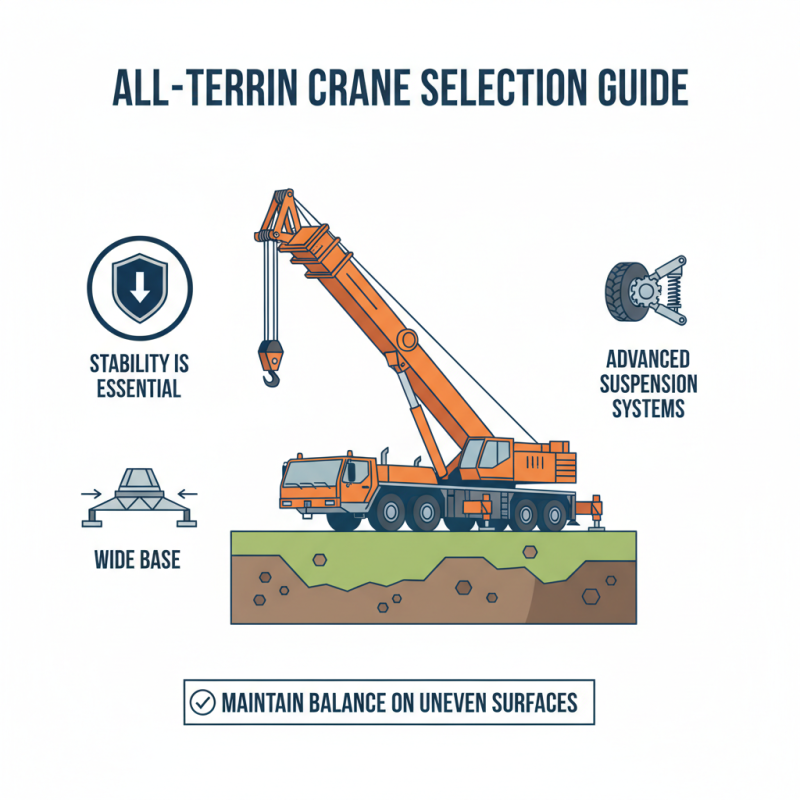
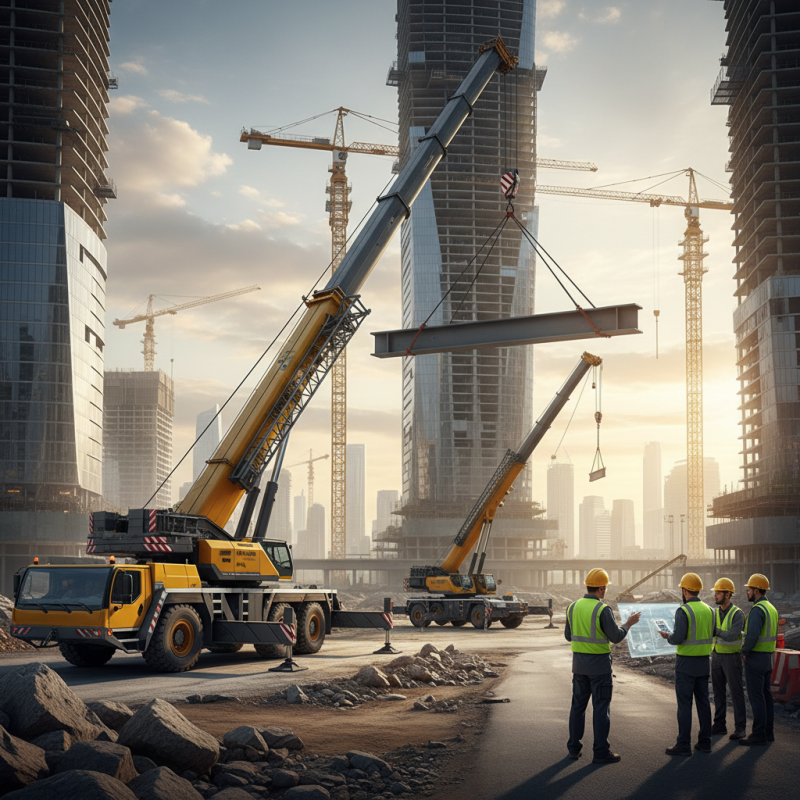
When choosing an all terrain crane, key features should be considered. Stability is essential for safe operations. Look for cranes with a wide base and advanced suspension systems. This will help maintain balance on uneven surfaces.
Another critical feature is lifting capacity. Each project may demand different specifications. A crane must meet these requirements to avoid accidents. Operators should check the maximum load capacity. It’s crucial that the crane matches the job's needs.
Mobility is just as important. All terrain cranes should navigate various environments easily. Features like 4WD and adjustable axles provide flexibility. Operators might face challenges in tough terrains. Reflection on these aspects can improve decision-making. Considering both strengths and weaknesses is vital.
Overview of Leading All Terrain Crane Manufacturers for 2026
In 2026, the landscape of all terrain cranes continues to evolve. Several manufacturers are leading the way. They focus on innovation, efficiency, and safety. Each company has unique strengths that make their models stand out.
Many of these manufacturers prioritize technology integration. Smart systems enhance operational efficiency. They allow operators to monitor performance in real-time. However, some firms struggle to fully harness these advancements. Training remains a crucial factor for maximizing equipment potential.
Design choices influence crane performance significantly. Some models offer impressive lifting capacities with compact designs. They excel in tight job sites, which is highly beneficial. Yet, not all manufacturers balance size and strength effectively. The quest for the perfect all terrain crane remains ongoing, showcasing the industry's challenges.
Detailed Specifications of the Top All Terrain Crane Models
The all-terrain crane market is evolving. Understanding the specifications of top models is essential for buyers. In 2026, two key factors dominate the landscape – lifting capacity and mobility. With an average lifting capacity ranging from 200 to 1,200 tons, operators must analyze their project's requirements carefully.
Payload capacity seems impressive. However, weight management is critical. A model’s max load capacity can be misleading if the crane's stability isn’t adequately considered. Many models feature outriggers, but if improperly deployed, they can lead to accidents. Recent studies indicated that nearly 30% of crane operation incidents stem from inadequate setup.
Another vital aspect is engine performance. Some models boast powerful engines with a focus on fuel efficiency. Yet, the reported fuel consumption can vary widely among brands. A model might serve well on a flat surface but struggle on rough terrain. An estimated 20% of operational downtime links back to adjusting for terrain challenges. It's crucial to evaluate not just the specs, but real-world performance.
Comparative Analysis of Performance and Reliability
When considering all-terrain cranes, performance and reliability are crucial factors. Evaluating these features helps ensure you select the right model for your needs. Look into load capacity and lifting height; these aspects often dictate a crane’s efficiency in various environments. Some cranes perform better on uneven terrain, while others excel in lifting large weights.
Tips: Always check user reviews. They reveal real-world performance insights. Consider how cranes handle adverse weather. You might find that some models struggle in wind or rain. Maintenance history also plays a role in reliability. A crane with frequent repairs can impact project timelines.
Analyzing different models allows for deeper understanding. Some cranes may seem robust but are less reliable under heavy loads. It’s essential to assess how each machine reacts over time. Sometimes, what seems perfect on paper falls short in practice. To avoid costly mistakes, gather as much data as possible. Ultimately, the right all-terrain crane combines excellent performance with unwavering reliability.
Upcoming Innovations in All Terrain Crane Technology for 2026
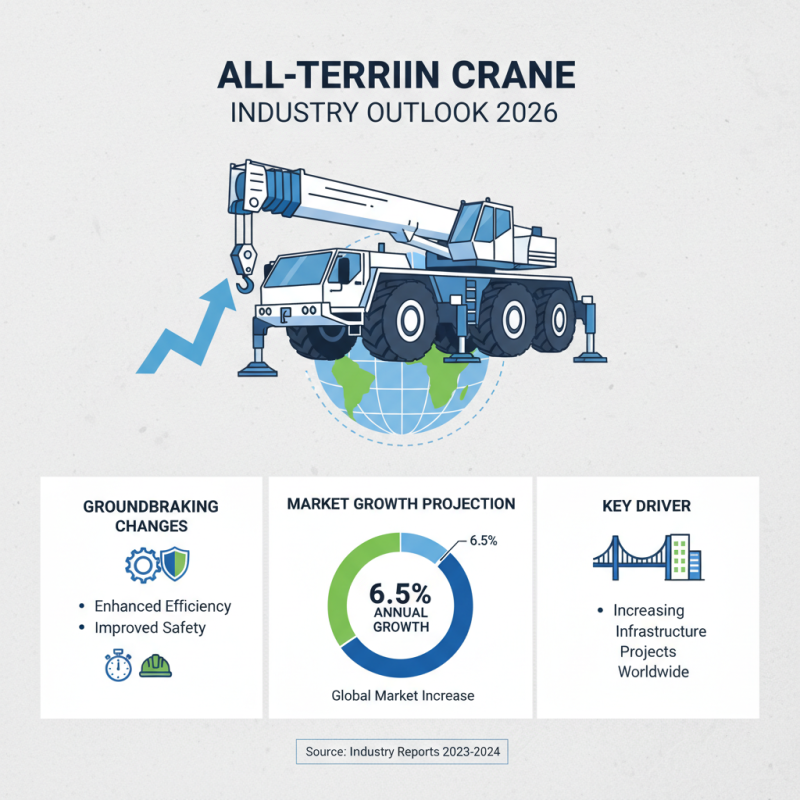
The all-terrain crane industry is poised for groundbreaking changes by 2026. Emerging technologies promise to enhance efficiency and safety. Recent industry reports indicate that the global all-terrain crane market is projected to grow by 6.5% annually. This growth is primarily driven by increasing infrastructure projects worldwide.
One innovative development is the integration of advanced telematics systems. These systems allow real-time monitoring of crane operations. They track performance metrics, potential issues, and maintenance needs. Such capabilities enable operators to optimize performance. However, some industry experts express concerns. Not all companies are ready to adopt these technologies.
Another significant advancement is in crane mobility. The design of new models focuses on lightweight materials. This change improves fuel efficiency and load capacity. Despite these benefits, some companies struggle with high initial costs. Transitioning to newer models may present financial challenges. Yet, the potential long-term savings are considerable in this competitive sector. The evolution in all-terrain crane technology is an exciting prospect, yet it requires careful consideration from industry players.