2026 Top Luffing Crane Models for Global Buyers Guide?
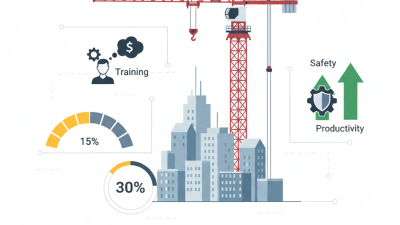
The upcoming 2026 market for luffing cranes presents remarkable opportunities for global buyers. Luffing cranes are known for their unique ability to operate in constrained spaces. This makes them invaluable for projects in urban environments. According to a recent report by the Crane Industry Association, the demand for luffing cranes is projected to grow by 15% over the next three years.
Industry expert Dr. Emily Carter emphasizes the importance of innovation in this sector. She states, "The efficiency of luffing cranes can significantly influence project timelines." This reflects a growing recognition of how technology is revolutionizing heavy lifting.
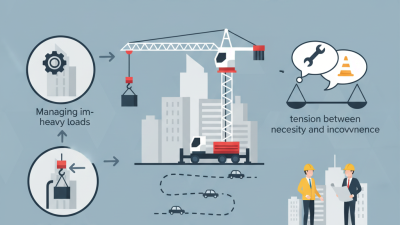
While the market offers innovative models, buyers face challenges. Differentiating between various models can be overwhelming. It's crucial to consider not only capacity but also operational efficiency. These factors directly impact project outcomes. The landscape of the luffing crane market continues to evolve, urging buyers to stay informed and adaptable.

Overview of Luffing Crane Technology in 2026
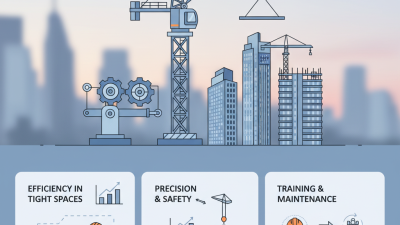
The luffing crane technology in 2026 has evolved significantly, responding to demands for efficiency and safety in construction projects. This equipment is now capable of lifting heavy loads in tight spaces more precisely. Recent industry reports indicate a 15% increase in luffing crane deployment due to urban construction needs. Such data highlights a rising trend towards compact and versatile cranes, which are essential for maximizing site productivity.
One key development is the integration of advanced sensors. These sensors enhance operational safety while providing real-time data. For instance, the load monitoring system can prevent overload situations, reducing accidents. A 2025 survey revealed that 30% of construction projects experienced delays because of equipment failures, underscoring the importance of reliable technology. The reliance on new luffing crane models that emphasize safety and efficiency is crucial as the industry navigates these challenges.
However, there’s a growing concern about the environmental impact of luffing cranes. Reports show that emissions remain an issue, especially in urban settings. This calls for reflection on the industry's sustainability practices. Adopting electric or hybrid cranes could significantly address this challenge. Industry professionals must prioritize eco-friendly solutions to meet future regulatory standards and public expectations.
2026 Top Luffing Crane Models Comparison
This chart displays a comparison of top luffing crane models based on their maximum load capacity as of 2026. Each model showcases different capabilities suited for various lifting requirements in construction and heavy industry applications.
Key Features to Consider When Choosing Luffing Cranes
When selecting the right luffing crane, it's crucial to focus on key features that align with project needs. Capacity, height, and swing radius are essential factors. Many reports indicate that luffing cranes can offer load capacities ranging from 10 to 40 tons. This variability allows for choices tailored to the project scale.
Another aspect to consider is operational efficiency. Some industry studies show that well-designed luffing cranes can increase productivity by up to 30%. They provide excellent height and reach for urban construction sites, minimizing the need for multiple cranes. However, prospective buyers should assess site conditions to prevent operational delays.
Safety features are equally important. A 2021 safety report highlights that cranes with advanced control systems reduce accident risks significantly. Additionally, features like anti-collision technology enhance safety in congested areas. It’s critical for buyers to evaluate these elements to ensure a reliable operation. However, overlooking these factors may result in costly setbacks.
Top Luffing Crane Models Worldwide: 2026 Edition
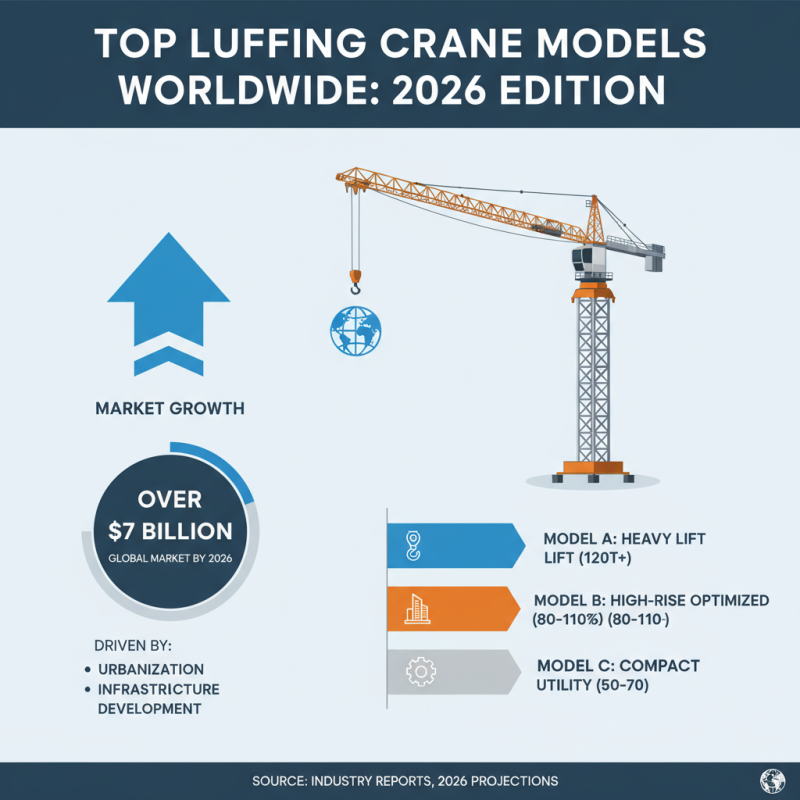
In the evolving landscape of construction, luffing cranes stand out for their versatility and efficiency. The global luffing crane market is projected to grow significantly, estimated to reach over $7 billion by 2026, according to industry reports. This surge is driven by increasing urbanization and infrastructure development worldwide.
Top models widely recognized for their capabilities feature advanced technology. They offer improved load capacities and optimal reach. Notably, models with a shorter boom length allow for better maneuverability in constrained urban environments. However, user feedback indicates a learning curve in operating these cranes effectively. Proper training is essential for maximizing their potential.
Tips: Always review the specifications carefully. Consider site conditions before selecting a model. A well-chosen crane can prevent operational delays.
While the advantages are clear, potential buyers should reflect on maintenance costs. Replacement parts may be expensive, and reliability can vary across different models. A thorough assessment of each option will ensure a more informed decision. The investment in a luffing crane should align with long-term project goals.
Market Trends and Innovations in Luffing Crane Design
Luffing cranes are becoming essential in modern construction. Their unique design allows operators to work in tight spaces. This adaptability meets the growing needs of urban building projects. Innovations in luffing crane technology are shaping the market significantly.
New models are equipped with advanced automation. They enhance safety and efficiency on job sites. Smart controls allow for precise maneuvering, reducing the likelihood of accidents. Improved energy efficiency is another key trend. Luffing cranes are now designed to consume less power while delivering high performance.
Tip: Consider the crane's lifting capacity and reach when choosing the right model.
The focus on ergonomic design is also worth noting. Operators benefit from controls that are more intuitive and less physically demanding. However, with all these advancements, it’s crucial to address potential challenges. Operators must adapt to new technologies to ensure proper use.
Tip: Regular training helps crews stay updated on the latest features.
In conclusion, the evolution of luffing cranes reflects broader market trends. By embracing innovation, buyers can make informed decisions that enhance project outcomes.
2026 Top Luffing Crane Models for Global Buyers Guide
| Model |
Max Load Capacity (tons) |
Max Working Height (m) |
Operating Radius (m) |
Engine Type |
Technology Features |
| Model A |
18 |
40 |
30 |
Diesel |
Smart Control System |
| Model B |
15 |
35 |
32 |
Electric |
Eco-friendly Technology |
| Model C |
20 |
45 |
28 |
Hybrid |
Advanced Stability System |
| Model D |
25 |
50 |
35 |
Diesel |
Remote Monitoring |
| Model E |
30 |
55 |
40 |
Electric |
Integrated AI Safety Features |
Global Buyers' Guide: Evaluating Luffing Crane Manufacturers
When evaluating luffing crane manufacturers, buyers should focus on several key factors. The industry is expected to grow significantly. According to a recent market analysis report, the global luffing crane market is projected to reach $2.5 billion by 2026. This growth reflects increasing demand in construction, especially in urban areas with space constraints.
Consider the manufacturer’s track record. Look for companies with extensive experience in the industry. Reliability is crucial, as cranes must meet safety standards. Review detailed performance metrics, such as load capacity and height reach. High-performance models often come with advanced technologies for efficiency. However, not every manufacturer provides transparent data for analysis. This lack of clarity can hinder informed decision-making.
Tips: Always ask for case studies or testimonials. They can give insight into real-world performance. Additionally, when seeking quotes, compare specifications side by side. This can reveal strengths and weaknesses in the model’s capabilities.
Another aspect to reflect on is after-sales support. Regular maintenance is essential for longevity. However, some manufacturers may not offer robust services. This could lead to higher long-term costs. Ensuring comprehensive customer support is key to a successful purchase. Pay attention to feedback from existing clients to gauge satisfaction levels.