2026 Top Xtreme Telehandler Models You Need to Know?
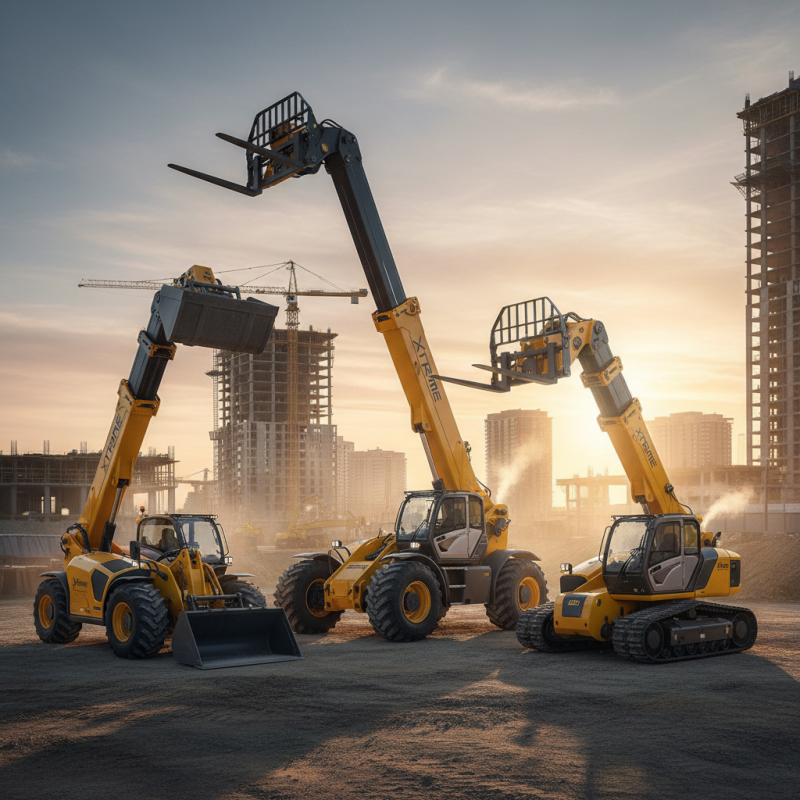
As the construction landscape evolves, the need for efficient machinery is critical. The Xtreme telehandler stands out in this domain. These versatile machines expand capabilities, offering power and flexibility on job sites. Their ability to lift heavy loads and navigate rough terrain is unmatched.
In 2026, several Xtreme telehandler models are set to make waves in the industry. Users should pay close attention to their specs and features. Each model presents unique benefits. However, it's important to question if these machines truly meet specific job requirements.
Not every Xtreme telehandler may excel in every situation. Differences in performance and durability warrant careful evaluation. Selecting the right model can significantly impact project efficiency. Understanding these machines is essential for making informed choices in a competitive market.
Key Features to Look for in Top Xtreme Telehandler Models
When choosing a telehandler, several key features stand out. Adaptability is crucial. Many models can handle various attachments, enhancing versatility on the job site. According to industry analyses, around 70% of operators prioritize functionality. This means considering how well a telehandler can adapt to different tasks, from lifting heavy loads to performing precision work.
Another significant factor is lifting capacity. Most top telehandlers in 2026 boast a capacity range of 5,000 to 12,000 pounds. This allows for significant lifting heights, often exceeding 50 feet. However, not all models perform equally at max height. Data from construction machinery reports show that stability decreases as height increases. Choosing a model that provides reliable stability can lead to safer operations.
Operator comfort also plays a vital role. Ergonomic designs yield better productivity and reduce fatigue. Features like adjustable seating and easy-to-use controls can enhance the user experience. Yet, many operators report that not all models meet these comfort standards. A focus on comfort, combined with practical features, remains essential for making informed choices. It’s important to weigh these factors against your operational needs carefully.
Overview of the Leading Xtreme Telehandler Brands in 2026
In 2026, the demand for Xtreme telehandlers continues to rise. Industry reports indicate a significant growth in construction and agricultural sectors, driving the need for versatile lifting equipment. Telehandlers are now essential for material handling across various applications. They provide unmatched flexibility, adapting to different tasks with ease.
A key trend this year is the focus on sustainability. Many manufacturers are integrating eco-friendly technologies into their models. Reports show a 30% increase in interest for electric-powered telehandlers. Operators seek machines that reduce carbon footprints while maintaining performance. These innovations are vital in a world aiming for greener practices.
However, challenges remain. Despite advancements, users often struggle with maintenance and operational training. A survey highlights that 40% of operators feel underprepared when facing technical issues. Effective training programs are essential for maximizing equipment efficiency. As the market grows, so does the need for competent operators who can handle these advanced machines.
Comparative Analysis of Performance Metrics for Xtreme Telehandlers
When evaluating the performance metrics for telehandlers, it’s essential to look at key factors such as lift capacity, reach, and engine efficiency. According to recent industry reports, telehandlers commonly have a maximum capacity ranging from 5,000 to 12,000 pounds. This variation influences their application in construction and agriculture. Users often prioritize high lifting heights, with many models reaching up to 55 feet. However, stability can be a concern, especially at extreme heights.
Fuel efficiency is another critical metric. Many modern models offer improved fuel consumption rates, averaging around 5 gallons per hour. Despite this progress, some operators find it challenging to balance power and efficiency. Operational costs may increase if fuel consumption is not monitored. Operators often overlook the impact of attachments on overall performance, as they can significantly reduce efficiency if not properly matched to the telehandler.
Moreover, technical aspects like hydraulic flow rates are crucial. Ideal flow rates help in managing the lifting speed and attachment performance. Many units range from 20 to 40 gallons per minute. Yet, inadequate training can lead to improper usage, affecting performance. Understanding these varying metrics helps operators make informed decisions, ultimately improving productivity and safety on job sites.
Essential Safety Innovations in Modern Xtreme Telehandler Designs
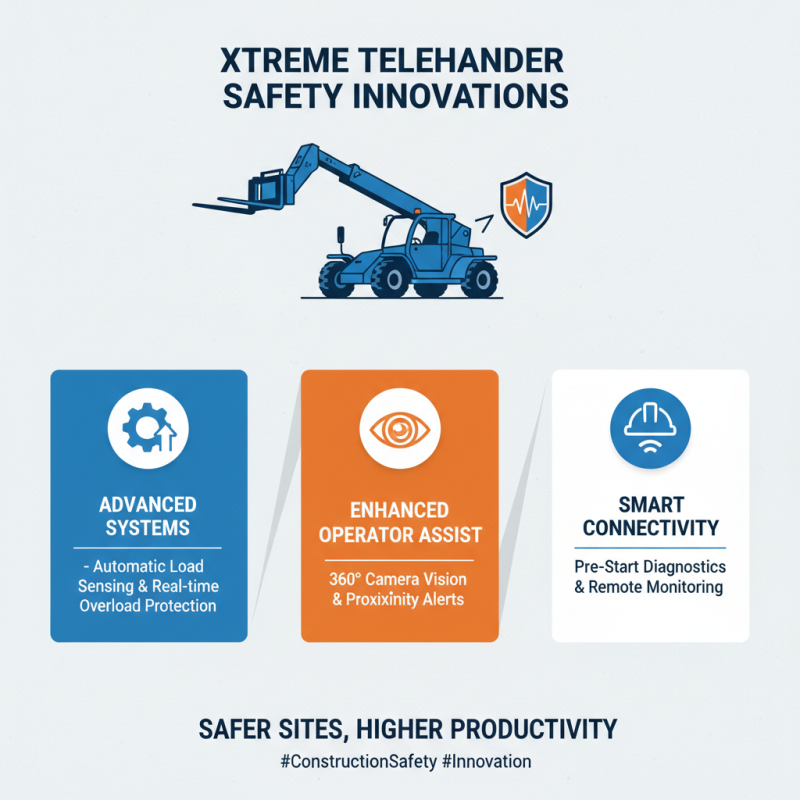
As the construction industry evolves, safety remains a top priority. Modern Xtreme telehandlers incorporate groundbreaking safety innovations. These enhancements are vital in minimizing on-site accidents and boosting productivity.
The introduction of advanced sensor technology is a game changer. For instance, many models now feature real-time load monitoring systems. Such systems alert operators to potential overload situations, reducing the risk of tip-overs. According to industry statistics, nearly 45% of construction site accidents involve lifting equipment failures. This highlights the need for continuous improvements in safety mechanisms.
Furthermore, stability enhancement features, such as outriggers and automatic leveling systems, are becoming standard. They ensure operators have a solid base, especially on uneven terrains. However, some models still face challenges with user adaptation. Operators may not fully utilize these innovations due to inadequate training. This gap can lead to unforeseen mishaps, emphasizing the need for thorough operator education.
Addressing these safety features effectively can significantly reduce accidents. By boosting awareness and training, we can foster a safer work environment in the telehandler sector.
User Reviews and Insights on the Best Xtreme Telehandlers of 2026
When it comes to choosing the right telehandler, user reviews offer a wealth of insights. This year, operators have shared their experiences with various models, highlighting key features that stand out. Many users appreciate models that combine power with compact size. This blend allows for both heavy lifting and maneuverability on tight job sites.
One common theme in the reviews is the importance of visibility. Users often mention models with spacious cabs and large windows. Clear sightlines not only enhance safety but also improve efficiency. However, some operators point out that certain designs may restrict access for maintenance. This can be frustrating, as upkeeping machinery is essential for prolonged use.
Durability is another focal point. Several telehandlers have received praise for their tough construction. Users value machines that can withstand harsh conditions. Yet, some feedback raises concerns about weight balance during lifting. This can lead to instability when tasks are more demanding. Overall, while many models impress, there’s room for manufacturers to reflect on user experiences and enhance future designs.
2026 Top Xtreme Telehandler Models You Need to Know
| Model |
Lift Capacity (lbs) |
Maximum Lift Height (ft) |
Engine Type |
User Rating (out of 5) |
User Insights |
| Xtreme 1234-6 |
6,000 |
34 |
Diesel |
4.5 |
Reliable performance, great for tough terrains. |
| Xtreme 1500-10 |
10,000 |
40 |
Gasoline |
4.7 |
Excellent lifting capability; users love its speed. |
| Xtreme 2000-12 |
12,000 |
42 |
Electric |
4.3 |
Great for indoor use, silent operation. |
| Xtreme 1800-8 |
8,000 |
36 |
Diesel |
4.6 |
Versatile and durable, suitable for multiple applications. |
| Xtreme 1400-5 |
5,500 |
30 |
Gasoline |
4.2 |
Easy to maneuver, good for light-duty tasks. |