Top 5 Air Freight Tips for 2026 Canton Fair Global Buyers
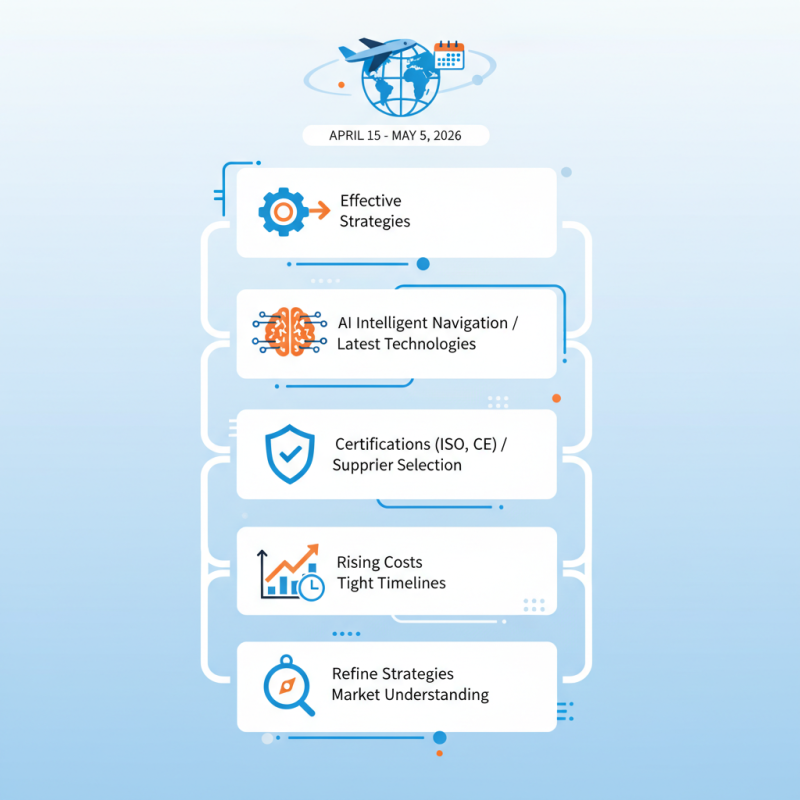
As global buyers prepare for the 139th Canton Fair in 2026, effective Air Freight strategies will be crucial. This event, taking place from April 15 to May 5, will showcase innovations in advanced manufacturing, electronics, and home goods. According to industry reports, air freight accounts for nearly 35% of global trade value, emphasizing its importance in supply chain logistics.
Expert John Smith, a renowned authority in air freight logistics, noted, "Navigating the complexities of air freight requires precision and adaptability." Buyers must harness the latest technologies, such as AI intelligent navigation, introduced at the Canton Fair. These innovations greatly enhance efficiency, allowing for quick supplier selection based on certifications like ISO and CE.
Nevertheless, challenges remain. Rising freight costs and tight timelines can complicate logistics. Understanding the landscape of air freight is essential for success. As the Canton Fair approaches, buyers need to refine their strategies, ensuring they are well-prepared for a demanding market.
Understanding Air Freight Options for Global Buyers at Canton Fair
Navigating the world of air freight can be challenging, especially for global buyers at the Canton Fair. Understanding your air freight options is crucial for a smooth experience. Many buyers overlook the importance of selecting the right freight forwarder. A forwarder with strong connections can significantly reduce shipping times and costs. Prioritizing communication is essential, as it helps to address potential issues promptly.
Tip: Always clarify pricing structures with your forwarder. Hidden fees can inflate costs unexpectedly. Additionally, familiarize yourself with the customs regulations of your destination country. Misunderstandings in paperwork can lead to delays. Beware of the cost of air freight changes too. Prices may fluctuate based on demand, so plan accordingly.
Opting for different air freight options can yield various benefits. Direct flights may expedite delivery times, while consolidating shipments can save money. However, both come with trade-offs. Remember, speed doesn't always guarantee savings. Assess your priorities based on your product needs. Reflect on previous experiences and learn. Every shipment is an opportunity for improvement.
Key Considerations for Selecting Air Freight Carriers in 2026
Selecting the right air freight carrier in 2026 requires a keen understanding of industry dynamics. As the global demand for air cargo has increased significantly, with an estimated growth rate of 4% annually, it's crucial to choose a carrier that aligns with your business needs. According to market reports, air cargo capacity is anticipated to remain tight. Thus, reliability and cost-effectiveness should be top priorities.
Tip: Prioritize carriers with strong routes to China. Direct flights minimize delays and ensure faster delivery times. This can greatly impact your experience at the Canton Fair.
Additionally, consider the carrier's technology integration. In 2026, data analytics will play a vital role in tracking shipments and optimizing logistics. Carriers utilizing advanced tracking systems can provide real-time updates. However, not all carriers have embraced this technology fully. Some may still rely on outdated methods, leading to inefficiencies.
Tip: Evaluate customer service quality. Strong communication with your carrier prevents misunderstandings. A proactive team can resolve issues quickly, which is especially important during busy trade seasons.
The air freight landscape will continue to evolve, influenced heavily by global events and market demands. Reflect on your past experiences and seek carriers that can adapt to changing circumstances.
Top 5 Air Freight Tips for 2026 Canton Fair Global Buyers
Cost-Effective Strategies for Air Freight Shipping to Canton Fair
Attending the Canton Fair is an exciting opportunity for global buyers. However, managing air freight effectively can often be challenging. Here are a few cost-effective strategies to ease your shipping worries.
Understanding your shipping needs is critical. Prioritize your cargo based on size and urgency. Some items can be shipped by sea instead. This might save costs. Air freight is ideal for high-value items that need quick delivery. However, it can get expensive if you're not careful.
Plan shipments in advance. Last-minute bookings are costly. Always seek quotes from multiple carriers. This helps in finding the best deal. Not all carriers offer the same prices or services. Don't overlook the option of consolidating shipments. It can be a budget-friendly choice.
Lastly, be mindful of customs regulations. Understanding import taxes and duties can save you from surprises. Familiarize yourself with the documentation required for smooth clearance. Poor paperwork may lead to delays, incurring additional charges. Review your processes and adjust as necessary. This will ensure a more efficient experience at the Canton Fair.
Managing Customs and Regulations for Air Freight in International Trade
When participating in the Canton Fair, managing customs and regulations is vital. Every country has specific rules for importing goods. Understanding these regulations can save time and money. Keep an eye on documentation requirements. Missing paperwork can lead to delays. Ensure your invoices and packing lists are accurate. This may sound basic, but mistakes happen. Double-check everything.
Air freight can be complex. Each shipment requires careful planning. Know the tariff classifications for your products. Incorrect classification can result in unforeseen costs. Additionally, familiarize yourself with duty rates. These can vary significantly based on the product type. Some buyers overlook these details, leading to budget overruns.
Consider working with customs brokers. They are knowledgeable and can navigate the red tape. They understand the landscape better. However, relying entirely on them is risky. Stay informed about changes in regulations. Sometimes, brokers may miss updates, affecting your shipment. Regularly reviewing your processes can mitigate these risks. It’s essential to remain proactive and adaptable.
Packing and Labeling Best Practices for Air Freight Shipments to Canton Fair
Air freight is crucial for buyers attending the Canton Fair. Proper packing and labeling are vital for smooth transit. According to industry reports, nearly 30% of air freight delays occur due to inadequate packaging. This can lead to increased costs and missed opportunities.
Use sturdy materials for packaging. Ensure boxes are made from high-strength corrugated cardboard. Reinforce seams with strong tape. Use cushioning materials to protect fragile items. A recent study found that 25% of claims filed were due to damage in transit. Clear labeling is equally important. Each package should have visible, legible labels. Include destination details prominently.
Don't overlook regulatory requirements. Improper labeling can cause clearance delays. Remember, not every shipment will be perfect. Some buyers report issues with customs. Regularly review your packing methods. Seek feedback to identify weak points. Efficient air freight is achievable with careful planning and attention to detail.
Top 5 Air Freight Tips for 2026 Canton Fair Global Buyers
| Tip Number | Tip Description | Best Practices | Common Mistakes |
| 1 | Choose the Right Packing Materials | Use strong, lightweight packing materials that protect against damage. | Avoid using oversized boxes that can lead to increased shipping costs. |
| 2 | Labeling Accuracy | Ensure all labels are clear and contain all necessary information. | Do not use vague descriptions; this can cause delays in customs. |
| 3 | Consider Weight and Size Limits | Adhere to airline restrictions on weight and dimensions. | Failing to comply can result in unexpected fees or delays. |
| 4 | Customs Documentation | Ensure all customs paperwork is completed accurately. | Inadequate or incorrect forms can hold up shipments. |
| 5 | Insurance for Shipments | Consider insuring high-value shipments against potential loss. | Neglecting insurance can lead to significant financial loss. |