What is the Average Cost of Tower Crane Rental in 2026?
As the construction industry evolves, understanding the "tower crane rental cost" becomes crucial. In 2026, this cost will likely reflect changes in demand, supply chain dynamics, and inflation. Industry expert John Smith states, “The price of renting tower cranes is determined by various market factors.” His insight emphasizes the multifaceted nature of these costs.
In urban development hotspots, the average tower crane rental cost may surge. Projects that stretch over several months or years will face escalating fees. The location plays a significant role in determining rental rates. In high-demand areas, costs can be noticeably higher than in rural regions. Meet the project deadlines while controlling expenses.
Yet, many factors make precise predictions challenging. Fluctuations in material costs and labor shortages can influence rates unexpectedly. As we approach 2026, potential clients must do their research. Planning ahead is crucial for budgeting accurately in a competitive landscape. Understanding these nuances helps in making informed decisions.
Average Rental Rates for Tower Cranes in Different Regions of 2026
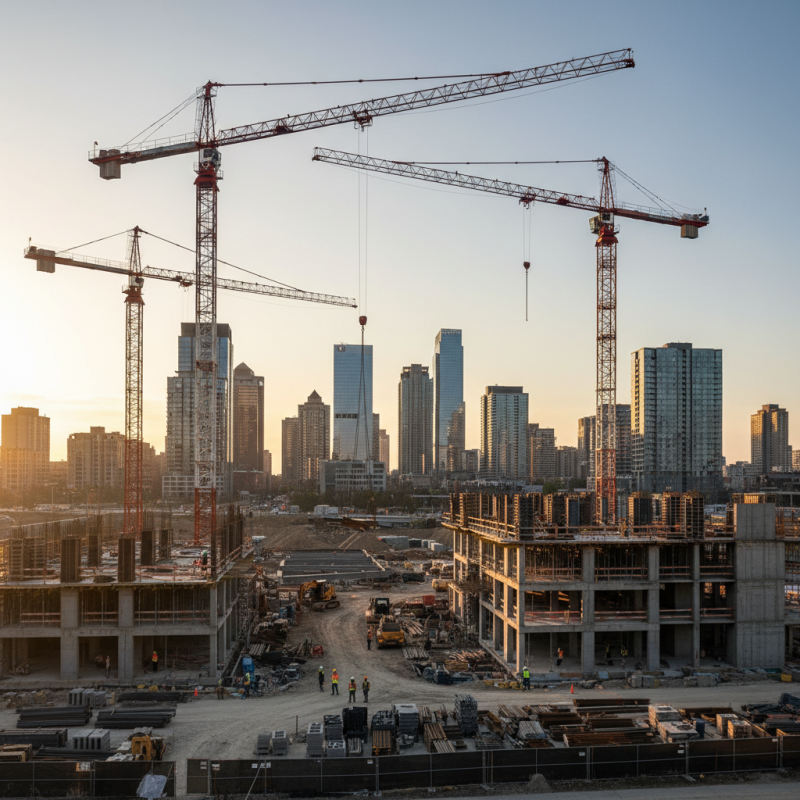
In 2026, the average rental rates for tower cranes vary significantly by region. Coastal areas tend to have higher demand, pushing rates up. For instance, a rental in a bustling urban center may reach $20,000 per month. Meanwhile, rural projects may find rates closer to $10,000. This gap highlights the importance of location in rental costs.
Additionally, the type of crane also impacts rental rates. Heavy-duty cranes are needed for larger projects but can cost more. Some contractors may overlook the total cost of ownership, not just the rental fees. A well-suited crane can enhance efficiency. However, some might choose cheaper options, leading to delays.
Finally, additional fees can add to confusion. Transport, setup, and insurance costs may not be included in the initial quote. Many rentals require long-term commitments, which can lead to impractical decisions. Understanding hidden fees is crucial for budgeting. As the market evolves, monitoring these trends is essential for making informed decisions.
Factors Influencing Tower Crane Rental Prices in 2026
In 2026, several factors will influence the cost of tower crane rentals. Demand for construction projects will play a significant role. A surge in housing and infrastructure projects can lead to higher rental rates. When more cranes are needed, prices typically rise. Seasonal trends also impact costs. During peak construction months, rates may soar due to increased demand.
Additionally, crane specifications affect rental prices. Larger cranes with advanced features will cost more. Operators may require specialized training, increasing overall expenses. Maintenance and upkeep of the equipment also contribute to rental fees. Operators need to ensure the cranes are safe and functional, which can drive costs up.
Regional economic conditions will also be a factor. Areas experiencing economic growth may see higher demand for cranes. Conversely, regions with slowing economies may have lower rental prices. Balancing these elements can be challenging for construction companies. Each project will have different needs, affecting the overall rental strategy. Understanding these nuances is key for stakeholders in the construction industry.
What is the Average Cost of Tower Crane Rental in 2026? - Factors Influencing Tower Crane Rental Prices in 2026
| Location |
Average Daily Cost ($) |
Average Monthly Cost ($) |
Factors Influencing Cost |
| New York City |
$600 |
$18,000 |
Demand, Location, Height |
| Los Angeles |
$550 |
$16,500 |
Availability, Construction Season |
| Chicago |
$575 |
$17,250 |
Market Fluctuations, Project Duration |
| Miami |
$525 |
$15,750 |
Weather Conditions, Local Regulations |
| San Francisco |
$650 |
$19,500 |
Urban Density, Technology |
Comparison of Tower Crane Rental Costs Across Various Project Types
When renting a tower crane, costs can vary widely. The type of project greatly influences these expenses. For instance, residential construction often requires smaller cranes, which may reduce rental costs significantly. On the other hand, large commercial projects tend to need bigger cranes. The price can skyrocket based on the crane’s lifting capacity and height.
Another important factor is the rental duration. Long-term rentals tend to offer better rates. However, short-term projects may incur higher daily fees. Always assess the project needs carefully. Are you planning for a quick build or a sprawling development? Unexpected challenges arise during construction. A flexible rental agreement may save you money in the end.
Additionally, location plays a crucial role in tower crane costs. Urban centers generally have higher rates compared to rural areas. Local regulations can also impact pricing. Understanding your project's specific requirements is vital. Balancing cost and efficiency is often tricky. Ensure that you consider all aspects before making a decision.
Projected Trends in Tower Crane Rental Expenses Over the Next Five Years
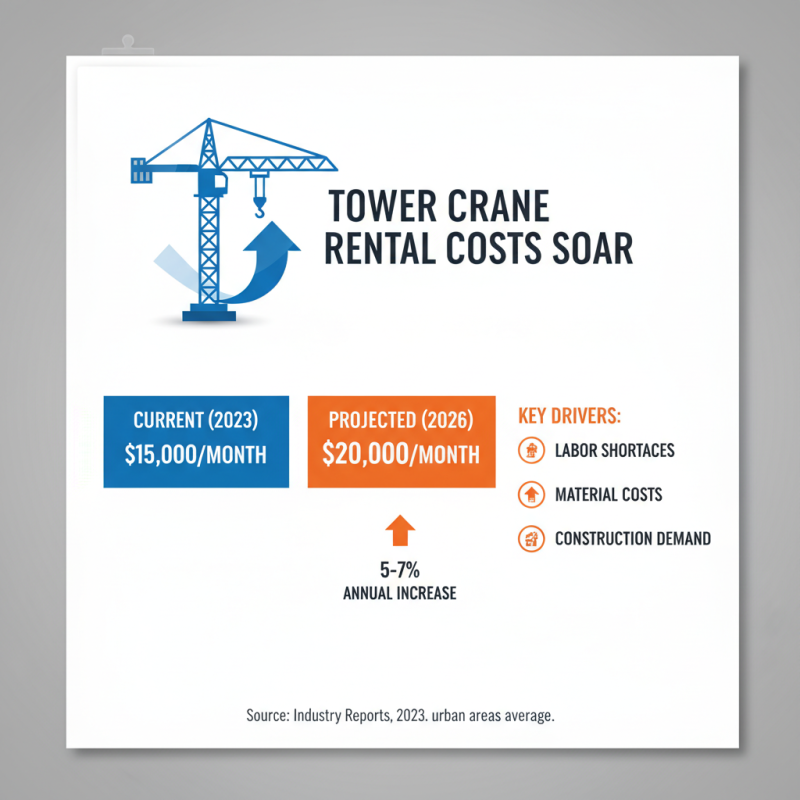
As construction demands rise, tower crane rental costs are projected to increase significantly over the next five years. Reports indicate an annual cost growth of 5% to 7%. By 2026, average rental fees could reach $20,000 per month in urban areas, driven by factors like labor shortage and increased material costs.
Market analysts highlight ongoing trends in construction projects. As cities expand vertically, the need for tower cranes intensifies. This trend leads to higher demand and consequential cost increases. However, some projects may face delays, impacting crane utilization rates. A recent study suggests that inefficient scheduling could hinder cost-effectiveness in rentals.
While many contractors scramble to optimize their budgets, not all adapt quickly. Poor planning might lead to unexpected spikes in expenses. In certain regions, rental costs already exceed expectations due to scarcity. Understanding these dynamics is crucial for effective financial planning in future projects. Being aware of the market's volatility will help manage risks and expenses.
Key Industry Metrics Affecting Tower Crane Rental Prices in 2026
The average cost of tower crane rental in 2026 will be influenced by various industry metrics. Understanding these factors can help businesses make informed decisions. Demand for construction projects will play a crucial role. An increase in infrastructure projects typically drives up rental prices.
Labor costs are another significant factor. If skilled labor becomes scarce, rental rates might rise. Fuel prices directly impact operating costs as well. Equipment maintenance expenses can also influence overall rental pricing.
Tips: Always compare rental offers. Reach out to multiple suppliers for quotes. Assess hidden costs before committing. Keeping track of industry trends can provide insights into future pricing. Consider seasonal demand fluctuations to understand price variations better.
Average Cost of Tower Crane Rental in 2026
This chart represents the average monthly rental costs for tower cranes in 2026, highlighting the trend across different types of projects. The data reflects varying rental prices influenced by project scale and duration.