Best 750 ml Wine Bottles Wholesale Suppliers for Global Buyers?
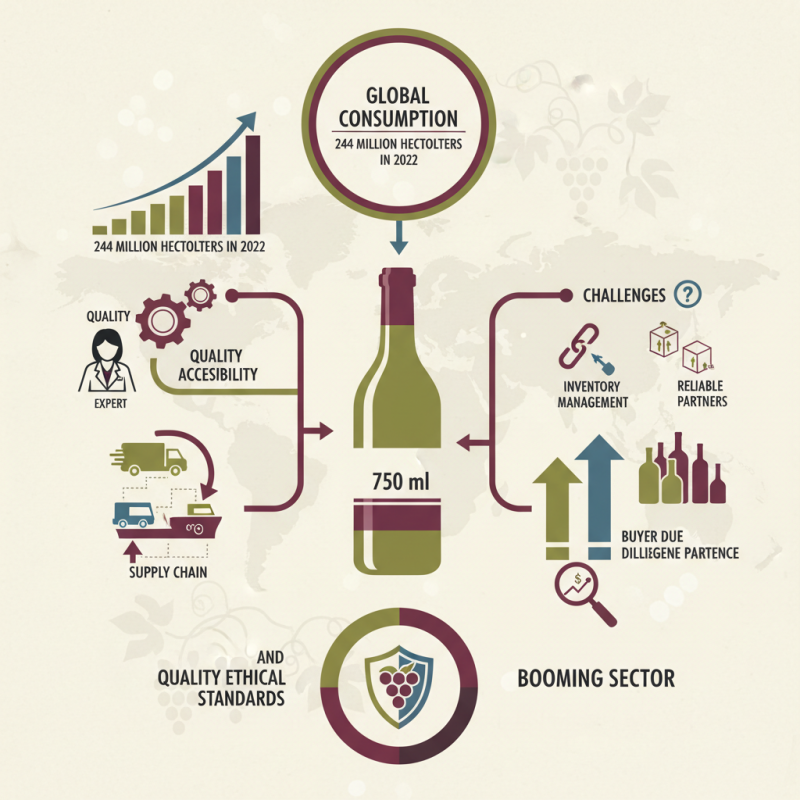
The global demand for wine continues to grow, with particular interest in 750 ml wine bottles wholesale. According to a recent industry report from the International Organization of Vine and Wine, global wine consumption reached approximately 244 million hectoliters in 2022. This highlights the strong market potential for suppliers specializing in 750 ml bottles.
Experts like Dr. Maria Hargrove, a leading wine industry researcher, emphasize the importance of quality and accessibility. She states, "Successful wholesale suppliers of 750 ml wine bottles must prioritize both product quality and supply chain efficiency." This reflects the competitive landscape of wine distribution today.
However, not all suppliers manage these factors effectively. Some struggle with inventory management and pricing. As demand rises, finding reliable wholesale partners can be challenging. Buyers must investigate potential suppliers thoroughly to ensure they meet quality and ethical standards. Quality should never be compromised in this booming sector, particularly within the 750 ml wine bottles wholesale market.
Understanding the Importance of Sourcing 750 ml Wine Bottles Wholesale
Sourcing 750 ml wine bottles in bulk is crucial for businesses in the beverage industry. These bottles are widely used globally. They come in various styles and materials. Selecting the right supplier can significantly impact your product's quality and brand perception.
When choosing a wholesale supplier, consider their track record. A reliable supplier should have experience in the market. Request samples to assess the quality of the bottles. It's essential that the bottles are durable and visually appealing. Many buyers overlook this aspect, leading to dissatisfaction later on.
Here are some tips to keep in mind. Always verify supplier credentials. Check reviews and testimonials from other buyers. Trustworthy suppliers often have a transparent process. Quality control practices are also vital. Ensure your supplier adheres to industry standards. This can prevent potential issues.
Remember, packaging affects the wine's overall image. Choosing wisely can enhance brand loyalty.
Key Criteria for Selecting Reliable Wine Bottle Suppliers
Choosing the right supplier for 750 ml wine bottles is crucial for businesses aiming for quality. Reliable suppliers should demonstrate a strong commitment to quality assurance. According to industry reports, 70% of wine producers emphasize bottle quality as a top priority. This focus ensures that the wine's flavor and integrity are preserved during storage and transport.
Another important criterion is production transparency. Suppliers that share information about their manufacturing processes build trust and credibility. Reports indicate that suppliers who adopt sustainable practices attract up to 45% more buyers. This shift reflects a growing demand for environmentally friendly options in the wine industry. Buyers should also evaluate the flexibility of suppliers in terms of order customization and volume, as adaptability is increasingly vital in a fluctuating market.
Pricing structures can also be deceptive. Some suppliers offer lower initial costs but may have hidden fees or poor service. A thorough assessment of the total cost of ownership is essential. Prioritizing suppliers who are communicative and responsive can save time and prevent future issues. Buyers must also consider geographical location, which can impact shipping times and costs. Understanding these factors will ensure more informed and strategic purchasing decisions.
Best 750 ml Wine Bottles Wholesale Suppliers for Global Buyers
Top Global Suppliers for 750 ml Wine Bottles: A Comparative Analysis
When searching for 750 ml wine bottle suppliers, buyers face numerous options. It’s crucial for businesses to identify reliable sources that meet their quality standards. A comparative analysis of various suppliers highlights key factors, such as production capacity, quality assurance processes, and delivery times. Some suppliers excel in providing custom designs, while others are more focused on sustainability practices.
Tips: Always verify the supplier’s certifications. Ensure they meet international quality standards. This will help in maintaining product consistency.
Consider smaller suppliers for unique designs. Sometimes, they offer innovative solutions that larger companies may overlook. This could be an opportunity to stand out in a saturated market.
Pricing can be a tricky factor. Transparency is essential. Some suppliers may have hidden fees that affect your budget. Regular communication helps in clarifying costs and expectations. This minimizes misunderstandings and builds trust.
Evaluating Pricing and Quality in Wholesale Wine Bottles
When evaluating wholesale wine bottles, pricing and quality are crucial. Reports indicate that the global wine bottle market is expected to grow significantly. In 2023, it was valued over $20 billion. Price competitiveness can heavily influence buyers' decisions, especially for bulk purchases. Wholesale suppliers often showcase price variations based on bottle materials, with glass bottles being the most popular choice.
Quality also plays a key role. A recent study shows that 75% of consumers prioritize quality over price. This indicates that finding suppliers who balance both factors is crucial. Suppliers may offer different grades of glass and recycling options. Buyers should investigate their suppliers’ production methods. Assessments of durability and appearance can provide insights into long-term value.
Tips: Always request samples before placing bulk orders. This practice ensures the quality matches your standards. Additionally, consider the supplier’s reputation in the industry. Customer reviews can reveal more about their reliability. Lastly, be cautious of extremely low prices; they often indicate compromised quality. Ensuring the right balance between price and durability will enhance your purchasing decisions.
Tips for Effective Communication with Wine Bottle Suppliers
Effective communication with wine bottle suppliers is crucial for global buyers. According to a recent industry report, 78% of successful transactions stem from clear dialogue. When dealing with suppliers of 750 ml wine bottles, maintain a professional tone. Be specific about your needs. Share details such as bottle design, material, and closure type. This proactive approach fosters trust.
Building rapport is also essential. Engage in conversations about industry trends. Understanding their challenges can encourage cooperation. Be aware that suppliers appreciate transparency. A 2022 survey noted that 65% of suppliers prefer buyers who openly discuss their budget. This insight allows for tailored proposals that meet both parties' needs.
Finally, consider cultural differences. The global wine industry spans various regions with distinct communication styles. A 2021 study indicated that 40% of misunderstandings stem from cultural disconnects. Be patient and willing to adapt. Small adjustments in your approach can lead to smoother negotiations. Challenge assumptions and seek clarity. Effective communication is not just about talking; it's about understanding.