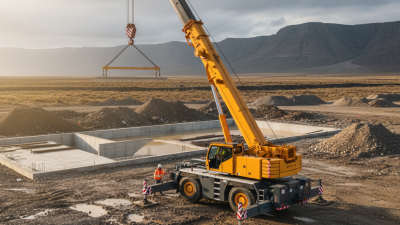
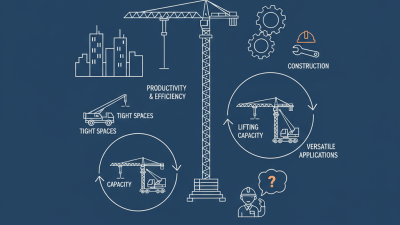
2026 Best Rough Terrain Crane Options for Global Buyers?
As the global construction sector evolves, the demand for robust and efficient rough terrain cranes continues to rise. According to a report by MarketsandMarkets, the rough terrain crane market is projected to grow at a significant rate, driven by increased infrastructure projects worldwide. These cranes excel in challenging environments, offering enhanced mobility and stability.
Leading manufacturers are refining their designs, focusing on higher lifting capacities and better fuel efficiency. The versatility of rough terrain cranes is pivotal for industries from mining to construction. Recent developments showcase models with advanced technology, improving safety and operational efficiency. However, buyers often face challenges in selecting the right machinery for specific applications.
Understanding the various options available is crucial for informed decision-making. Companies must weigh features like load capacity, operational range, and terrain adaptability. This complex landscape calls for a deep dive into the best rough terrain crane options for 2026, ensuring businesses can achieve their project goals effectively while navigating potential pitfalls in equipment choice.
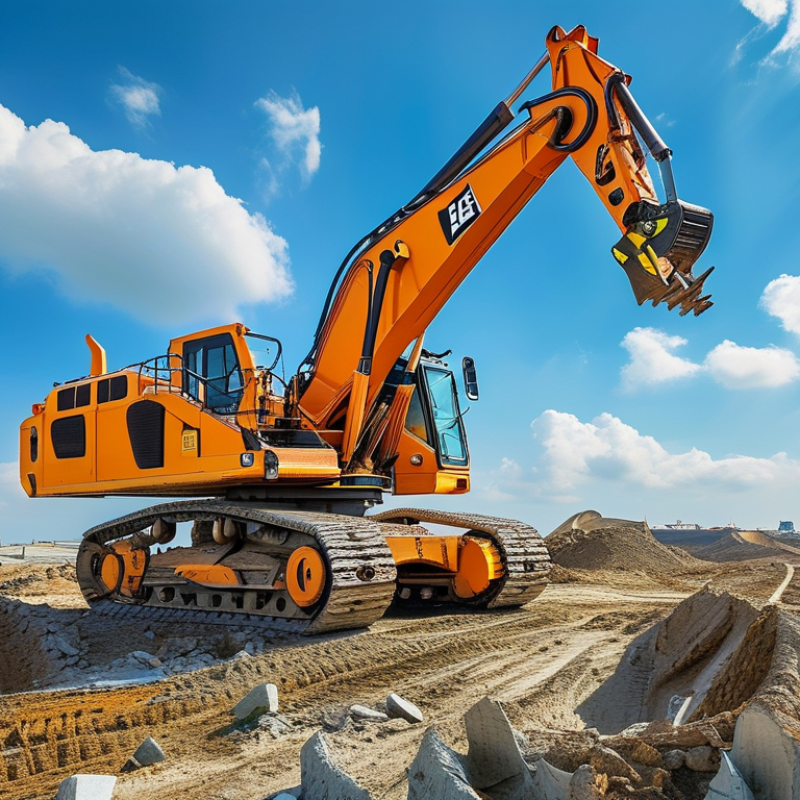
2026 Top Rough Terrain Crane Models for Buyers Worldwide
The global demand for rough terrain cranes is steadily increasing. Reports indicate a compound annual growth rate (CAGR) of 6.5% from 2023 to 2030. As construction projects become more diverse, selecting the right crane is crucial. Buyers must consider not just capacity but also mobility and ease of use in various terrains.
Among the notable models, operators are noticing an inclination towards versatility. Cranes with lifting capacities ranging from 30 to 60 tons are becoming increasingly popular. Their adaptability allows operators to maneuver in tight spaces often found on job sites. However, this versatility comes with a trade-off. Some models may compromise durability for weight reduction, leading to potential reliability issues.
Another reflection point is the importance of safety features. Advanced technology for risk mitigation is now essential. Buyers should scrutinize models for provided safety standards. Despite advancements, challenges such as maintenance costs and parts availability persist. Understanding these nuances helps buyers make informed decisions in a competitive market.
Key Features to Consider When Choosing a Rough Terrain Crane
When selecting a rough terrain crane, several key features must be evaluated. Load capacity is critical. Many cranes range from 15 to 50 tons, but actual performance can vary in challenging environments. According to industry data, the average lifting capacity for rough terrain cranes has increased by 20% over the last decade. This improvement reflects advancements in engineering and materials.
Another essential factor is mobility. Cranes designed for rough terrain often come with specialized tires and four-wheel drive. This design enables exceptional maneuverability on uneven ground. Surveys indicate that over 70% of crane operators prioritize this feature for efficiency on construction sites. Visibility is equally crucial. Operators need clear sightlines to navigate complex job sites safely.
Hydraulic systems also play a significant role in crane performance. The reliability of hydraulics directly impacts lifting speed and accuracy. Current reports reveal that 15% of downtime in construction projects is due to hydraulic failures. Regular maintenance and selecting cranes with high-quality hydraulic components can mitigate such issues. It’s vital to invest in training for operators to minimize risks associated with these systems.
Leading Manufacturers of Rough Terrain Cranes in 2026
As the demand for rough terrain cranes continues to grow, key manufacturers are redefining innovation and excellence. According to a recent report by Market Research Future, the global rough terrain crane market is projected to reach approximately $5.5 billion by 2026, driven by advancements in technology and rising construction activities. This surge underscores the importance of identifying leading manufacturers who can provide reliable solutions to meet these market needs.
In 2026, several manufacturers stand out in the rough terrain crane landscape. Their commitment to enhancing safety features and operational efficiency sets them apart. For instance, increasing payload capacities and improved maneuverability have become benchmark features. However, some manufacturers struggle with product consistency, which can lead to reliability issues in the field. Many users cite the need for thorough training, as the complexity of new controls can pose challenges for operators.
Another critical factor is sustainability. More manufacturers are focusing on eco-friendly technologies. While this shift is promising, not all manufacturers have yet fully embraced this responsibility. Some still rely heavily on traditional fuel sources, which detracts from overall progress. The industry must assess how these discrepancies could affect long-term supplier relationships and project timelines. Investing in reliable manufacturers that prioritize innovation and sustainability will be essential for buyers in the coming years.
Comparative Analysis of Performance and Pricing in 2026
In 2026, rough terrain cranes play a crucial role in various industries. The market offers a range of options, each with unique strengths. Performance characteristics like lift capacity and stability are vital. Buyers must consider these factors when analyzing potential purchases. Price variations significantly influence decisions and require careful scrutiny.
Cost-effective solutions often sacrifice certain features. This can lead to performance issues, particularly in challenging environments. Buyers should weigh their immediate needs against long-term reliability. Essential metrics include operating speed, fuel efficiency, and maintenance costs. A thorough comparison will reveal which models truly deliver value.
Selecting the right crane isn’t just about numbers; it involves understanding terrain challenges. Not all cranes perform well in every situation. Some excel in rough landscapes, while others struggle. Reflection on project requirements is necessary. This nuanced decision-making process can prevent costly mistakes. Buyers must prioritize their operational context to ensure suitability and efficiency.
2026 Best Rough Terrain Crane Options for Global Buyers
Future Trends in Rough Terrain Crane Technology and Design
The rough terrain crane industry is on the cusp of significant change. As construction demands evolve, technology is advancing rapidly. According to a recent report by the International Construction Magazine, the market for rough terrain cranes is projected to grow by 4.5% annually over the next five years. This growth signals an urgent need for innovation.
One trend redefining crane design is automation. Advanced sensors and AI integration are increasingly common. These features not only improve safety but enhance operational efficiency. The use of lightweight materials, such as advanced composites, is also notable. This shift reduces overall weight while maintaining strength, making cranes more portable and versatile.
Moreover, sustainability is becoming a core focus. Many manufacturers are exploring hybrid models to minimize carbon footprints. While this transition is valuable, it introduces challenges. The infrastructure for charging and maintaining these eco-friendly machines is still developing. The balance between innovation and practicality remains a critical point for consideration in the industry.