10 Best Rough Terrain Cranes for Challenging Jobs?
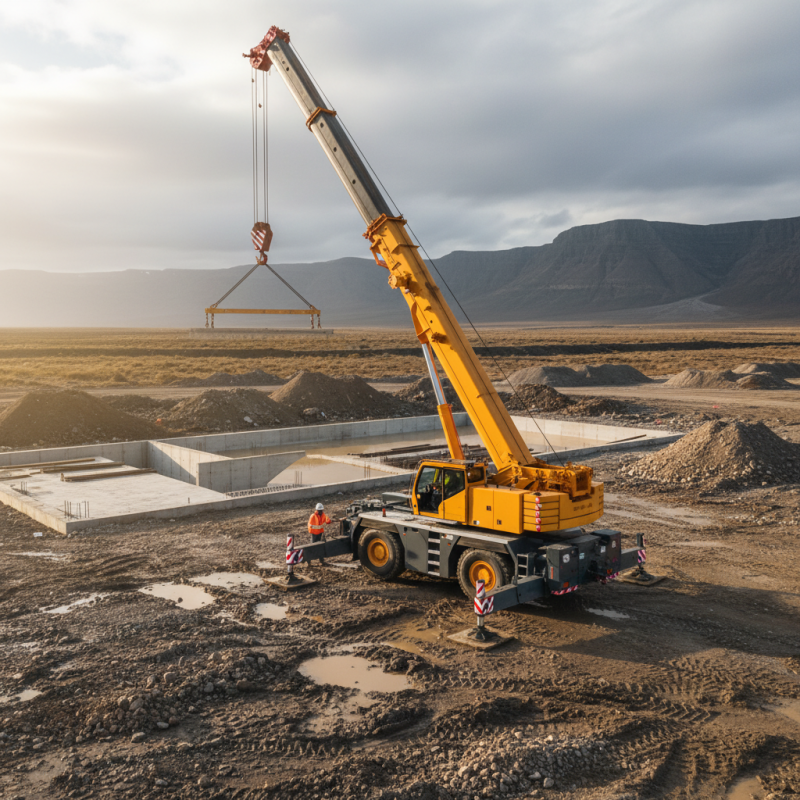
When working in challenging environments, a rough terrain crane is a vital piece of equipment. These cranes are designed to navigate difficult landscapes, ensuring safety and efficiency. They excel in construction sites, remote locations, and uneven terrains.
Many factors contribute to selecting the best rough terrain cranes. Factors like load capacity, reach, and stability must be carefully considered. While brands often tout impressive specifications, real-world performance can vary. Users need to reflect on specific job demands and the crane's adaptability.
Investing in a rough terrain crane is no small decision. The right choice can make or break a project. Therefore, assessing real-world reviews and specifications is critical. Some cranes may offer more features than necessary, leading to wasted resources. It's essential to find the right balance between capability and practicality.
Overview of Rough Terrain Cranes and Their Applications
Rough terrain cranes are essential for construction tasks in rugged environments. These cranes are designed to operate on uneven surfaces. They provide the stability and lifting capacity needed for challenging projects. In areas where traditional cranes struggle, rough terrain models excel.
According to industry reports, the global rough terrain crane market is anticipated to grow significantly. The demand is driven by infrastructure development in urban areas. Sites with limited access require machines that can navigate obstacles. Rough terrain cranes often feature four-wheel drive and large tires. This design allows them to move easily through mud, sand, and other difficult terrains.
In the field, the versatility of these cranes is notable. They can lift heavy loads while maneuvering around construction sites. However, operators must be cautious. Not all cranes perform equally well on steep slopes. Choosing the right model is crucial to ensure safety. Mistakes made here can lead to costly accidents or equipment damage. Continuous training for operators is vital to minimize risks.
10 Best Rough Terrain Cranes for Challenging Jobs
Key Features to Consider When Choosing a Rough Terrain Crane
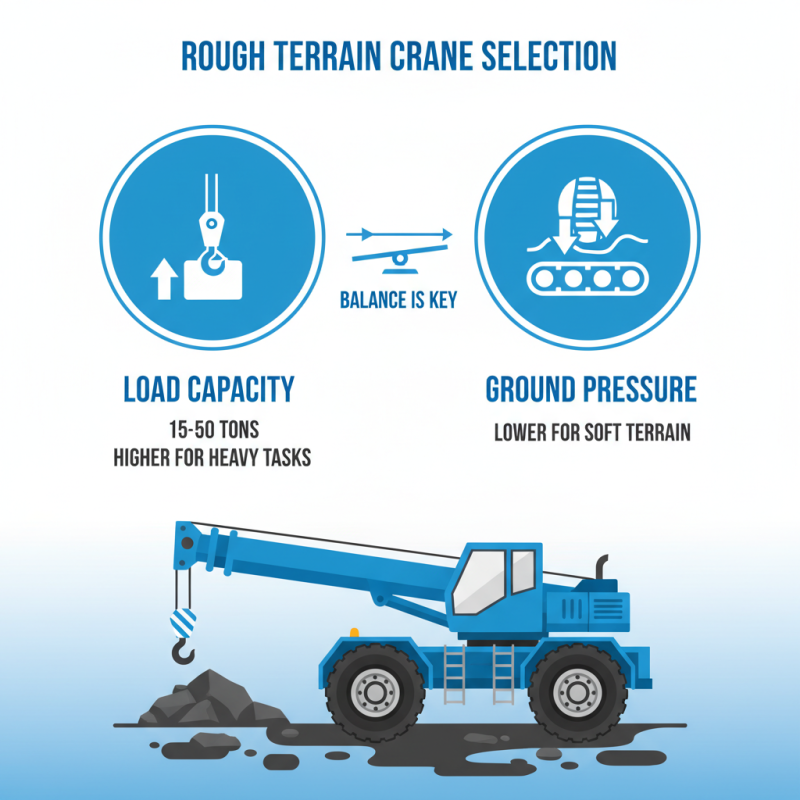
When choosing a rough terrain crane, key features are crucial. Load capacity is often a top priority. Many models offer a capacity ranging from 15 to 50 tons. For heavy tasks, a higher load capacity is essential. However, balancing capacity with the crane's ground pressure is also important. Cranes with lower ground pressure can navigate softer terrains without sinking.
Another factor to consider is the crane's mobility. Many rough terrain cranes have four-wheel drive and can travel at higher speeds on rough surfaces. This mobility is valuable for moving between job sites quickly. Operators must assess the terrain type as well. Some cranes perform better on steep inclines, while others struggle.
Hydraulic system performance matters too. Advanced hydraulic systems ensure smooth operation, especially in demanding conditions. Reports indicate that cranes with better hydraulics reduce operational downtime by nearly 20%. Operators must also be cautious about maintenance. A lack of regular checks can lead to failures, impacting project timelines. Opting for a model with user-friendly maintenance protocols can be beneficial.
Top 10 Rough Terrain Cranes for Challenging Jobs Review
When it comes to challenging jobs, rough terrain cranes are essential. They are built to handle uneven surfaces and navigate tough conditions. These cranes have unique features that make them ideal for construction sites, remote areas, and rugged landscapes. Their ability to lift heavy loads is matched by their stability and maneuverability. Workers can rely on them when facing unpredictable environments.
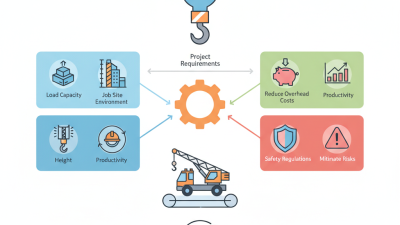
Selecting the right rough terrain crane is crucial. Many models offer various load capacities and boom lengths. Some may excel in lifting but fall short in reach. Operators need to assess the job requirements carefully. Comfort and ease of use are also important factors. A crane that is difficult to operate can lead to accidents and delays. Regular maintenance is essential to ensure safety and reliability.
While many cranes perform well, none are perfect. Each model has its limitations. It’s vital to reflect on these challenges during the selection process. Some cranes may not suit every job. Understanding the terrain and load specifications will make a significant difference. Investing time in research will lead to better choices for your business.
Comparison of Performance and Features of Leading Models
When it comes to rough terrain cranes, not all models are created equal. Understanding their features is crucial for choosing the right one. Performance can vary significantly. Some cranes excel in lifting capacity, while others shine in mobility. Evaluate specific job requirements. Are you lifting heavy loads or navigating uneven surfaces? This choice impacts performance.
Tips: Always check the crane's operational range. Knowing the lifting height and radius is vital. It often determines if your job will be successful. Some models may struggle in soft ground. Consider ground conditions before making a decision.
Another factor is control systems. Some cranes offer advanced electronics for smooth operation. Others rely on traditional controls, which can be harder to manage. Being aware of these differences can save time. Assess your team's skills with each control type. If they are unfamiliar with complex systems, consider simpler models. Be honest about your crew’s strengths and weaknesses. It helps in selecting the most effective rough terrain crane.
Safety Tips for Operating Rough Terrain Cranes Effectively
Operating rough terrain cranes can be challenging. Safety is paramount in these environments, where risks are higher. Before beginning any operation, ensure proper training. Operators should understand their equipment thoroughly. Each crane has unique features and limitations. Ignoring these can lead to serious accidents.
Before moving the crane, inspect it carefully. Look for any visible damage or wear. Tires must have proper inflation and tread. Verify all safety features are functioning. Using safety gear is crucial. Operators should wear hard hats and harnesses. Clear communication among team members can prevent mishaps.
While experience is valuable, overconfidence can be dangerous. Always stay alert to changing conditions. The ground may be uneven or slippery. Regularly reassess the stability of the terrain. Accidents can happen even when everything seems fine. Remember to adjust techniques based on the surroundings. Staying cautious is key to successful operations.
10 Best Rough Terrain Cranes for Challenging Jobs
| Model |
Max Load (tons) |
Max Height (ft) |
Engine Power (HP) |
Weight (lbs) |
| Model A |
30 |
100 |
200 |
35000 |
| Model B |
35 |
110 |
230 |
42000 |
| Model C |
50 |
120 |
300 |
60000 |
| Model D |
25 |
90 |
150 |
33000 |
| Model E |
40 |
115 |
250 |
49000 |