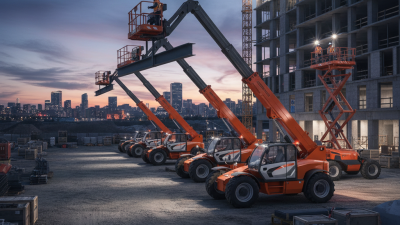
Best Small Crane Truck Options for Your Next Project?
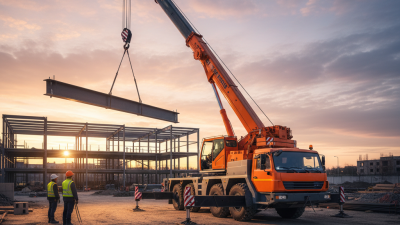
Choosing the right small crane truck for a project can significantly impact efficiency and productivity. These vehicles are essential for various tasks, ranging from construction to logistics. With the right small crane truck, your team can handle heavy loads with precision and ease.
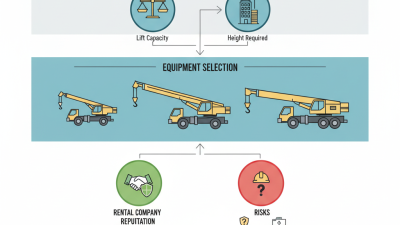
Before making a decision, consider the specific requirements of your project. Different models come with varying capacities and features. For instance, some are designed for tight spaces, while others have higher lifting capabilities. The market offers many options, which can be overwhelming.
It's crucial to assess not only the specifications but also the reputation of the manufacturer. Reliable brands often provide better service support and more durable equipment. Read reviews and get advice from industry experts to make an informed choice. Ultimately, choosing the best small crane truck involves understanding your needs and aligning them with the available options. Be prepared to reflect on past experiences to enhance your decision-making process.
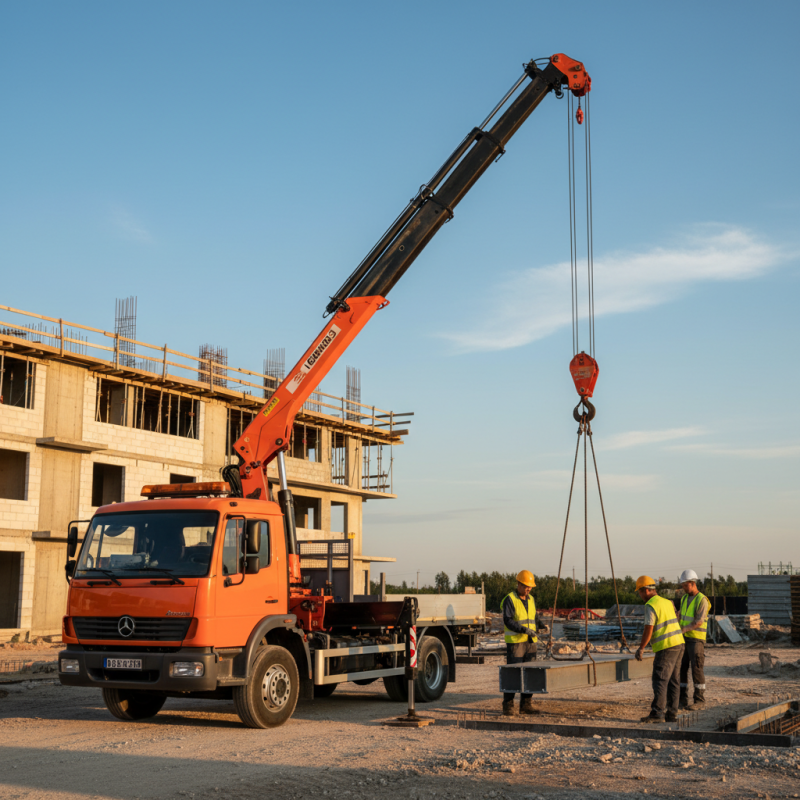
Best Small Crane Truck Options for Your Next Project
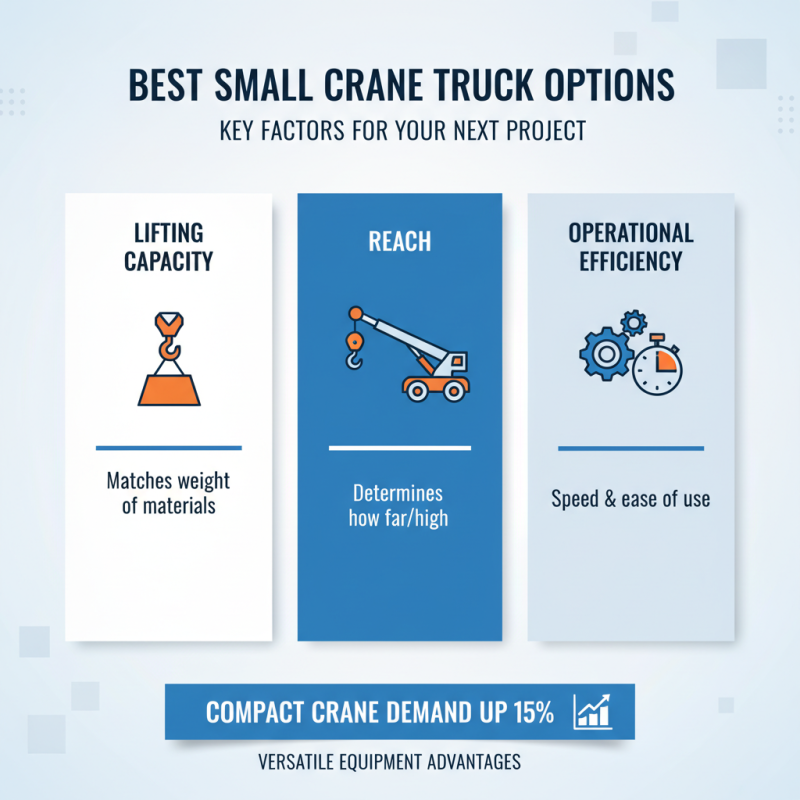
When choosing the best small crane truck for your next project, consider various key factors. These include lifting capacity, reach, and operational efficiency. According to a recent industry report, the demand for compact cranes has increased by 15% in the past year. This growth indicates that many contractors recognize the advantages of smaller, versatile equipment.
A crucial tip is to assess your specific lifting needs. Different projects may require different capacities. For instance, a construction site might demand a truck with a 5-ton lifting capacity, while smaller residential jobs may only need 2 tons. Additionally, check the maneuverability of the truck. Tight spaces often necessitate a crane that can easily navigate obstacles.
Another important point to reflect on is operator training. Even the best equipment cannot perform efficiently without skilled operators. According to industry standards, training can improve safety and productivity by over 30%. Investing in proper training ensures that you maximize the potential of your crane. Always seek out local experts to understand the best practices in your region.
Overview of Small Crane Trucks and Their Applications in Various Industries
Small crane trucks are becoming increasingly popular in various industries. They are versatile and compact, making them ideal for tight spaces and urban environments. Construction, landscaping, and logistics are just a few areas where these machines shine. Their capability to lift heavy loads while navigating narrow sites is essential in urban settings.
In construction, these trucks support tasks like lifting building materials to higher levels or moving equipment around a job site. Their ability to operate in limited space makes them invaluable. Landscaping companies utilize small crane trucks for transplanting trees and heavy shrubbery. This reduces manual labor and minimizes damage to delicate plants.
However, using small crane trucks isn't without challenges. Operators must be trained to ensure safety and efficiency. Tight clearances and uneven ground can complicate lift operations. Regular maintenance is essential to prevent breakdowns. Each industry has unique requirements, and it’s crucial to match the right truck to specific tasks. It’s important to thoroughly assess workflow needs before choosing a model.
Key Specifications to Consider When Selecting a Small Crane Truck
When selecting a small crane truck, key specifications are vital. Start by considering the load capacity. Small cranes typically handle loads ranging from 2 to 10 tons. Make sure to analyze your project’s needs and choose a truck that can support the required weight.
Next, look at the reach and height. Some projects may require lifting to significant heights or extending over obstacles. Pay attention to the truck's boom length and articulating capabilities. These factors will impact your efficiency on the job site. It’s crucial to find a balance between capacity and reach.
Tips: Always check the truck's stability features. A model with a wider base often offers better support during heavy lifts. Also, review the operating controls; intuitive controls make for safer operations. Regular maintenance is essential too. Deterioration can lead to unforeseen issues, even in newer models. Be prepared to adapt and reassess your choices based on job requirements and real-world performance.
Top Manufacturer Comparisons: Performance, Capacity, and Reliability
When considering small crane trucks, performance, capacity, and reliability are crucial factors. Industry reports indicate that these trucks can lift loads between 3,000 to 14,000 pounds on average. A small crane truck's performance is measured by its hydraulic strength and maneuverability. A well-chosen truck can significantly reduce project times and improve safety on construction sites.
Capacity varies widely among models. For instance, some can operate effectively in tight spaces, while others excel with larger weights. It’s essential to match the truck’s capacity with the specific requirements of your project. According to industry data, vehicle longevity also matters. Many small crane trucks have a lifespan exceeding ten years, though maintenance is key to achieving these numbers.
Tips for choosing a small crane truck include assessing soil stability at work sites. Make sure to review a truck's lifting chart before making a decision. Also, track the truck's operational costs against expected revenue. This helps measure a project's overall feasibility. It’s important to remember that not all trucks are built the same. Research and comparisons are necessary, as overlooking specifications can lead to project delays and increased costs. Always consult with experts when unsure about which model to choose.
Best Small Crane Truck Options for Your Next Project
| Model |
Performance (HP) |
Max Lift Capacity (ton) |
Working Range (ft) |
Reliability Rating (out of 5) |
| Model A |
150 |
5 |
20 |
4.5 |
| Model B |
200 |
6 |
22 |
4.7 |
| Model C |
180 |
5.5 |
18 |
4.3 |
| Model D |
220 |
7 |
25 |
4.8 |
| Model E |
160 |
5.2 |
19 |
4.6 |
Cost Analysis: Initial Investment vs. Long-term Operating Costs
Selecting the right small crane truck can significantly impact your project's budget. Analyzing the initial investment versus long-term operating costs is crucial. A typical small crane truck might cost between $30,000 and $50,000. However, hidden expenses often emerge. Maintenance, fuel, insurance, and financing can add up. Industry reports indicate that operating costs can reach up to 20% of the initial purchase price yearly.
When calculating these costs, also consider the truck's efficiency. A well-maintained truck may have a higher purchase price but lower long-term costs due to reduced downtime and better fuel efficiency. The average small crane truck consumes about 7-10 gallons of diesel per hour. Investing in models with better fuel efficiency can lead to savings over time.
Tips: Evaluate your specific project needs. This can help avoid purchasing a truck that is more than you require. Consider used options, as they can save significant costs. Always factor in projected maintenance when budgeting, as this can affect the overall financial picture.
Cost Analysis of Small Crane Trucks
This chart represents the initial investment and long-term operating costs of various small crane truck options. The comparison helps in understanding the cost-efficiency of these vehicles over time.
Conclusion
When considering the best small crane truck options for your next project, it's essential to understand their applications across various industries, including construction, maintenance, and logistics. Small crane trucks are versatile machines that can navigate tight spaces while providing lifting capabilities, making them ideal for urban environments and specialized tasks.
Key specifications to evaluate include lift capacity, reach, stability, and maneuverability, ensuring the chosen small crane truck meets project requirements. Additionally, comparing manufacturers based on performance, reliability, and service support is crucial. Conducting a cost analysis helps weigh the initial investment against long-term operating expenses, while adhering to safety standards and regulations is vital to maintaining compliance and ensuring worker safety. This comprehensive approach will equip project managers with the knowledge needed to select the right small crane truck for their operational needs.