Best Telehandler Lift Options for Your Construction Needs?
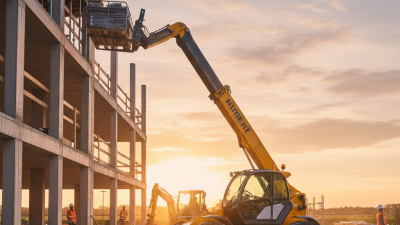
When it comes to construction projects, selecting the right equipment is crucial. A telehandler lift can significantly enhance your site's efficiency. These versatile machines offer lifting capabilities that are ideal for various tasks, from transporting materials to reaching high work areas. However, not all telehandler lifts are created equal.
Understanding your specific needs is essential. Are you working on a tight space? Or does your project require heavy lifting? Each telehandler lift has unique features designed for different challenges. So, choosing the right one can feel overwhelming. You might find it tempting to go for the biggest model available, but that could lead to unnecessary complications.
Reflect on your project requirements. This reflection helps narrow down your options. Researching various models will reveal which telehandler lift suits your construction site best. Ensure that your choice aligns with your operational needs and safety standards. A well-matched telehandler not only boosts productivity but also maintains safety on-site. As you dive into your options, remember that the right equipment can make all the difference in achieving your project goals.
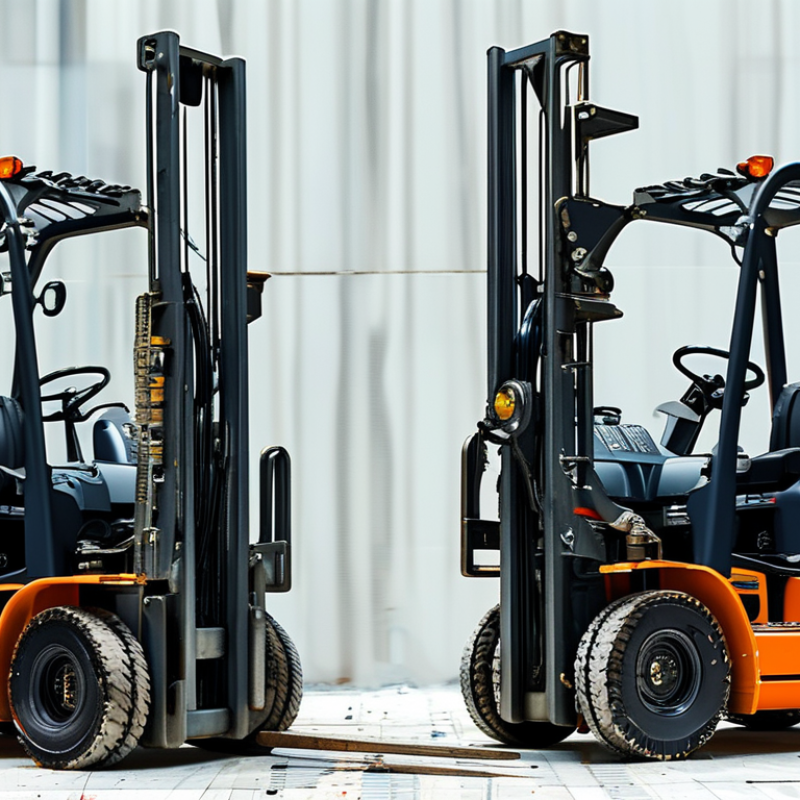
Types of Telehandlers: An Overview of Models and Their Uses
Telehandlers, or telescopic handlers, are vital in construction. They combine features of forklifts and cranes, making them versatile. Understanding the types of telehandlers helps in choosing the right model for specific tasks.
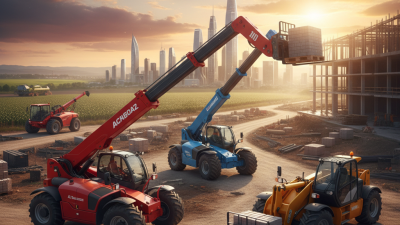
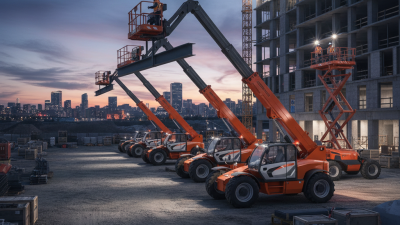
There are various telehandler models, each tailored for different environments. For example, compact telehandlers excel in confined spaces. Their smaller size allows for greater maneuverability. Heavy-duty models, on the other hand, are designed for rough terrains and heavy lifting. According to industry reports, telehandler demand is projected to grow by over 5% annually through 2025. This growth underscores their importance in modern construction projects.
When selecting a telehandler, assess your specific needs. Look at lift height, load capacity, and attachment compatibility. A wrong choice can lead to inefficiencies and safety risks. Always consider the terrain and access points.
Tips: Regular maintenance ensures longevity. Train operators properly to enhance safety. Also, consider rental options to assess various models before committing to a purchase.
Key Features to Consider When Selecting a Telehandler
When selecting a telehandler for construction needs, several key features warrant attention. Capacity is crucial. Most telehandlers have lifting capacities ranging from 5,000 to 12,000 pounds. This range affects your ability to handle various loads. If your projects often include heavy materials, opt for a higher capacity model.
Another important factor is reach. Telehandlers offer different boom lengths, typically between 15 and 60 feet. A machine with an extended reach can navigate complex job sites with ease. However, be aware of stability; a longer reach may reduce lift capacity. It's essential to find a balance that suits your specific use cases.
Maneuverability cannot be overlooked. Different models exhibit various turning radii. Compact machines can work efficiently in tight spaces, while larger models may be more stable on uneven terrain. Think about where you’ll be operating the telehandler most often. Also, consider the operator's comfort and safety features. Controls should be intuitive, and safety features like overhead guards can make a significant difference.
Comparison of Popular Telehandler Brands and Their Reputation
In the construction industry, choosing the right telehandler can impact efficiency. Many brands offer telehandlers with varying capabilities. Data from industry reports indicate that a reliable telehandler can improve on-site productivity by up to 25%. However, not every brand is equally respected in the market.
When comparing popular telehandler brands, reputation plays a key role. Industry studies reveal that brands with strong after-sales support tend to build lasting trust. One report highlighted that 78% of users prioritize service availability when selecting equipment. Without adequate support, even the best machine may underperform.
Durability is another aspect to consider. Many telehandlers face harsh conditions on construction sites. Regular wear and tear can lead to costly maintenance. A study found that telehandlers with a proven track record reduce downtime by about 30%. This reliability is crucial for maintaining project timelines. Balancing initial costs with long-term performance must be on every contractor’s radar.
Safety Standards and Best Practices for Using Telehandlers
Telehandlers are versatile machines widely used in construction. However, safety is a paramount concern. According to the U.S. Occupational Safety and Health Administration (OSHA), telehandler accidents often arise from improper use and lack of training. In fact, nearly 30% of telehandler incidents involve tipping over. Operators must be fully trained to recognize the risks associated with this equipment.
To comply with safety standards, regular inspections are vital. The National Institute for Occupational Safety and Health (NIOSH) recommends checking for mechanical issues before use. Using personal protective equipment (PPE) is essential. Hard hats, safety boots, and visibility gear reduce injury risks on a job site. Workers must be aware of their surroundings, especially when navigating tight spaces or uneven terrain.
Best practices should be implemented to enhance safety. Operators should avoid exceeding load limits. Overloading a telehandler can lead to tipping, even when the load is within sight. Furthermore, communication on-site is critical. A dedicated spotter can help ensure that the telehandler operates safely, especially in congested areas. Prevention of accidents requires ongoing training and vigilance, encouraging a culture of safety in every operation.
Best Telehandler Lift Options for Your Construction Needs
| Model |
Max Lift Height (ft) |
Max Load Capacity (lbs) |
Weight (lbs) |
Safety Features |
| Model A |
30 |
6500 |
7000 |
Load Stability System |
| Model B |
28 |
5500 |
6800 |
Smart Load Monitoring |
| Model C |
25 |
7500 |
7200 |
Automatic Safety Brakes |
| Model D |
35 |
6000 |
7500 |
Operator Presence Sensors |
| Model E |
32 |
8000 |
7800 |
Integrated Stability Control |
Cost Analysis: Buying vs Renting a Telehandler for Construction Projects
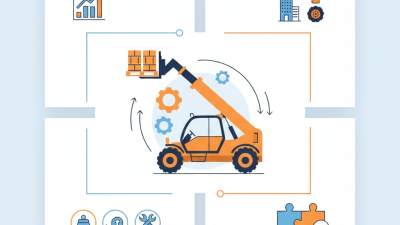
When considering telehandlers for construction projects, the choice between buying and renting is crucial. Renting a telehandler may seem cost-effective for short-term projects. A report by the American Rental Association indicates that rental costs range from $1,000 to $2,500 monthly, depending on the model. This flexibility allows contractors to allocate funds for other essential tools.
On the other hand, purchasing a telehandler can lead to long-term savings. The average price of a telehandler is around $60,000. For projects requiring frequent use, ownership can be more economical. For instance, if a telehandler is used for over three months in a year, buying can break even compared to renting. However, initial costs involve maintenance and storage. Not all projects have steady demand. Thus, assessing project timelines and future needs is vital.
Deciding on buying versus renting also involves understanding market cycles. In a fluctuating economy, rental may offer safety against investment risks. It’s important to analyze how often you will use the telehandler. Will your workload justify the investment? These questions require serious contemplation.
Cost Analysis: Buying vs Renting a Telehandler for Construction Projects