Best Telescoping Forklift Options for Global Buyers?
In the ever-evolving landscape of material handling, the demand for versatile equipment is at an all-time high. According to a recent industry report by MarketsandMarkets, the global telehandler market is expected to reach USD 9.96 billion by 2026, growing at a CAGR of 5.4%. This growth highlights the increasing importance of equipment like the telescoping forklift in various sectors, including construction, agriculture, and logistics.
Telescoping forklifts stand out for their ability to extend far beyond standard forklifts, offering exceptional lift height and versatility. They are designed to handle heavy loads in challenging environments. Their hydraulic arms provide better reach, making them ideal for high-stacking and maneuvering in tight spaces. However, buyers should consider factors such as the machine's maximum load capacity and working height before making a purchase.
As the market grows, so does the need for reliable and efficient operators. Training and maintenance are paramount to ensure safety and performance. Buyers must reflect on their specific needs, operational environment, and the potential for equipment downtime. Investing in the right telescoping forklift can lead to enhanced productivity, reduced operational costs, and improved safety on-site.
Understanding Telescoping Forklifts: A Comprehensive Overview
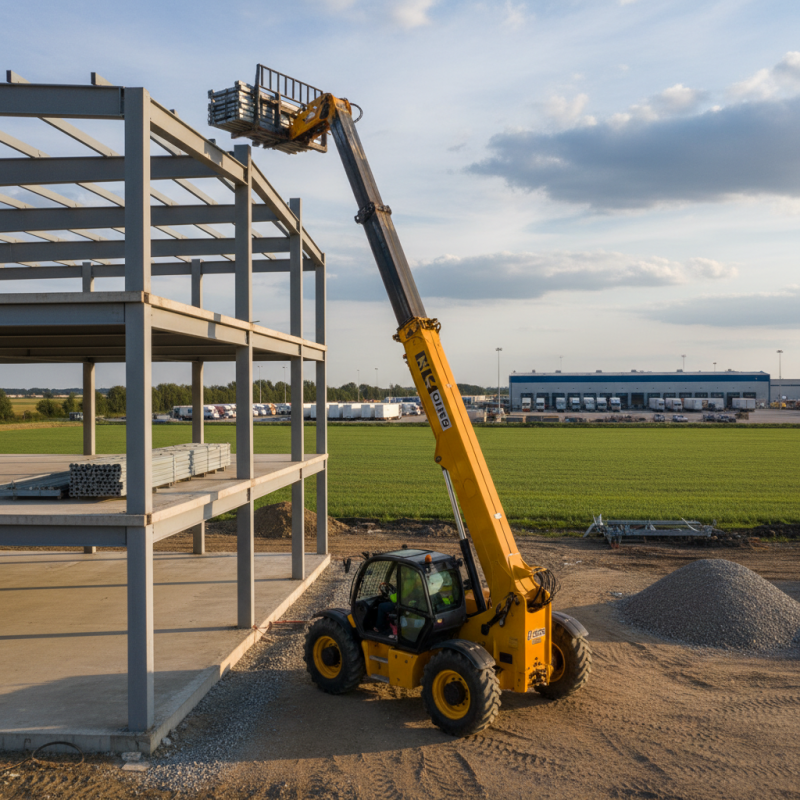
Telescoping forklifts, crucial for various industries, allow operators to lift materials to great heights. These machines excel in areas with limited space, offering versatility in both construction and warehousing.
A report by the Occupational Safety and Health Administration (OSHA) highlights the importance of safety features in this equipment, noting that nearly 30% of forklift accidents involve tipping due to improper use. Ensuring proper training and understanding of the equipment can significantly reduce these risks.
The reach and lifting capacity of telescoping forklifts vary widely, influenced by design and model choices. According to industry data from the Material Handling Industry Association (MHIA), the demand for these forklifts has increased by 25% over the past three years. This growth highlights their essential role in improving efficiency in material handling tasks. However, not all models are created equal. Buyers need to consider factors like load capacity, lift height, and maneuverability, which may not be immediately obvious.
Relying solely on specifications can be misleading. Real-world usage often reveals limitations that data alone cannot provide. For instance, visibility can be obstructed when extending the boom, which is a common issue that operators face. Gathering feedback from experienced users is vital for making informed decisions. As the market continues to evolve, understanding these subtle nuances helps buyers choose the best option suited for their unique requirements.
Key Features to Consider When Choosing a Telescoping Forklift
When selecting a telescoping forklift, several key features play a crucial role. The lifting capacity is essential. Industry reports indicate that most models can handle loads between 6,000 to 12,000 pounds. However, understanding your specific needs is vital. If your operations involve heavier materials, opting for a model with a higher capacity is recommended.
Another important feature is the boom extension. Most telescoping forklifts can extend up to 35 feet. This capability allows for greater reach, especially in construction or warehouse settings. Nevertheless, operators should reflect on their work environment. A longer boom can be less stable, and wind can pose challenges during operation.
Maneuverability is also critical. Some forklifts come with four-wheel drive, enhancing traction. This feature can significantly improve performance on uneven terrain. However, take note that increased complexity may lead to maintenance challenges. Buyers should consider both the operational benefits and potential drawbacks of advanced features.
Best Telescoping Forklift Options for Global Buyers
This chart represents the key features and ratings of various telescoping forklifts. The features evaluated include lifting capacity (in tons), maximum height (in meters), and versatility (rated from 1 to 5).
Top Brands and Models for Telescoping Forklifts in the Global Market
When exploring the global market for telescoping forklifts, it is essential to know the top brands and models available. Telescoping forklifts are known for their versatility and efficiency in handling materials at great heights. Buyers should assess their specific needs, including load capacity and reach, to select the best options. Popular models often feature advanced hydraulics, which improve lifting performance.
Tips for selecting the right telescoping forklift include evaluating the working environment. Indoor and outdoor settings can demand different specifications. Consider factors like manuality and ease of transport. Energy efficiency is another crucial aspect. Models with advanced engine technology often consume less fuel and emit fewer pollutants.
Buyers should also be mindful of maintenance requirements. Some forklifts may offer more accessible parts and service options, while others may be harder to maintain. Understanding these details can save costs in the long run. Choosing a reliable dealer for purchase can enhance the experience, providing support when needed. Over time, reflecting on these choices ensures better decision-making for future equipment investments.
Cost Comparison: Budgeting for Telescoping Forklift Acquisition
When considering the acquisition of telescoping forklifts, budgeting is crucial. Industry reports indicate that the average cost of these machines ranges from $30,000 to $80,000. Factors influencing the price include payload capacity and height reach. Notably, used forklifts can offer significant savings, averaging 20-30% less than new models. This can be a practical choice for budget-conscious buyers.
When budgeting, include maintenance and operational costs. Annual maintenance averages about 10% of the purchase price. Fuel type also impacts long-term expenses. Diesel models typically have higher initial costs but lower fuel expenses.
**Tips:** Assess your operational needs before purchasing. Consider rental options to offset initial costs. Ensure you factor in training costs for safe operation. Evaluate the resale value as it reflects the forklift’s long-term worth.
Investing in a telescoping forklift can be a significant expense. It’s important to analyze all factors carefully. With proper planning, you can make a financially sound decision.
Best Telescoping Forklift Options for Global Buyers - Cost Comparison: Budgeting for Telescoping Forklift Acquisition
| Model |
Lift Capacity (lbs) |
Max Height (ft) |
Operating Weight (lbs) |
Cost (USD) |
| Model A |
6000 |
20 |
8500 |
55,000 |
| Model B |
7000 |
18 |
9000 |
65,000 |
| Model C |
8000 |
22 |
9500 |
70,000 |
| Model D |
5000 |
16 |
8200 |
50,000 |
| Model E |
7500 |
19 |
8800 |
60,000 |
Maintenance Tips for Longevity and Performance of Telescoping Forklifts
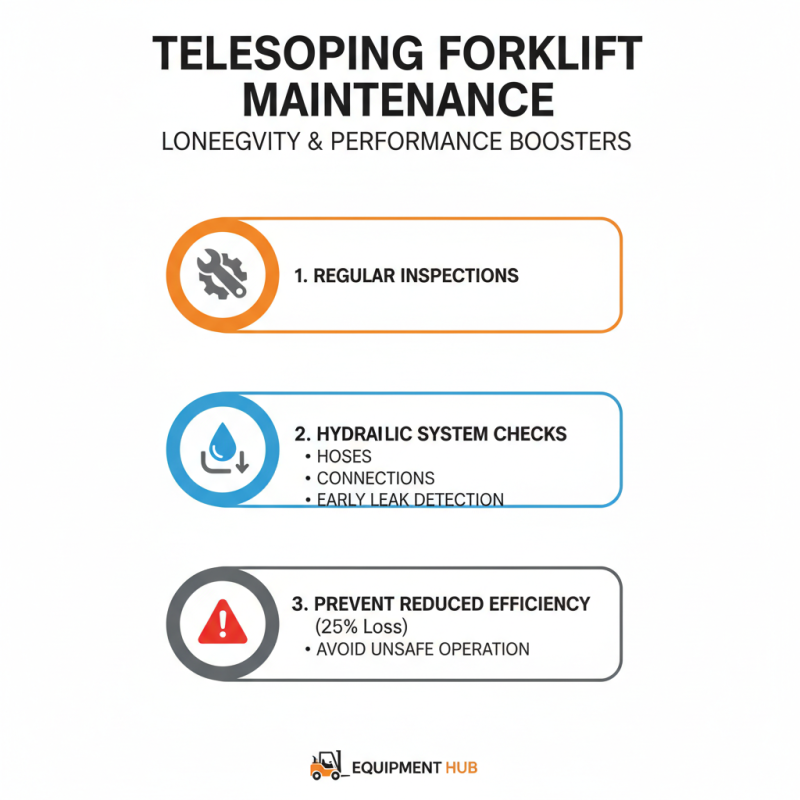
Proper maintenance of telescoping forklifts is crucial for longevity and performance. Studies indicate that poorly maintained equipment can lead to a 25% reduction in overall efficiency. Regular inspections of hydraulic systems can prevent costly failures. Focus on checking hoses, seals, and connections to identify leaks early. A visible leak can result in performance issues and unsafe operation conditions.
Regularly replacing filters is vital. Contaminated oils can severely affect functionality. Reports from industry standards show that using high-quality fluids and filters reduces wear. Operators often overlook small details, such as tire pressure. Incorrect tire pressure can impact stability and control.
Training operators on maintenance routines enhances awareness. Knowledgeable operators can spot abnormalities that warrant attention. Additionally, routine engine checks are essential. Cleaning air filters improves air intake and engine efficiency. Yet, challenges remain in implementing consistent maintenance schedules. Many operations struggle with adherence to prescribed schedules, risking performance setbacks. Encouraging a culture of proactive care can yield long-term benefits.