
2026 Best Wiper Combination Switch Suppliers?
A Wiper Combination Switch brings several driver controls together, often including windshield wipers, washers, and turn signals. Its exact functions vary by vehicle, so a familiar-looking part may still have the wrong connector, fit, or operating logic. Small mismatches can lead to installation delays or controls that do not behave as expected. Fit comes first.
For buyers comparing suppliers in 2026, product quality is only one part of the decision. Check whether a supplier can provide clear specifications, compatible part references, material details, and consistent production information. Ask how samples are evaluated and how changes to a design are communicated. Reliable answers matter. So does documentation that matches the parts being quoted. A polished catalog alone cannot confirm compatibility or long-term consistency.
This guide examines Wiper Combination Switch suppliers through practical sourcing considerations, including product range, customization, quality processes, communication, and support. It is intended to help purchasing teams ask better questions, not declare one supplier best for every application. Vehicle requirements, order volumes, and service expectations differ. Even a careful comparison can miss a detail; that is a reason to verify fitment and sample performance before placing a larger order. The right supplier is the one whose capabilities and evidence match the specific project.
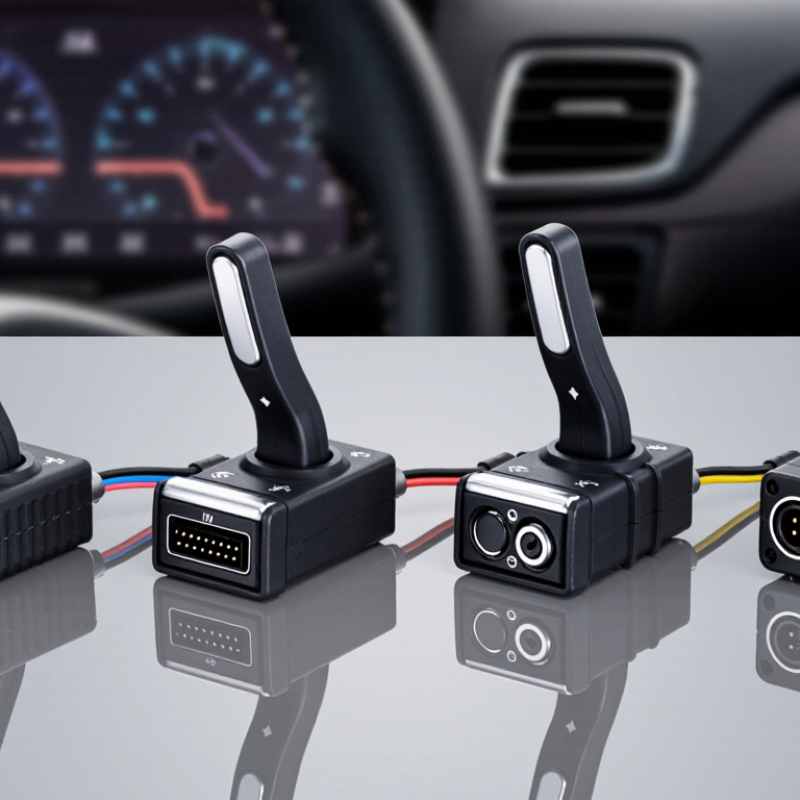
What Is a Wiper Combination Switch and How Does It Work?
A wiper combination switch is the driver-operated control, usually mounted on the steering-column stalk, for windshield wiping and washing. It translates a hand movement into an electrical command. The driver may select intermittent, low, or high speed, then pull the stalk to spray washer fluid. Simple to use. Behind the stalk, contacts or electronic sensors relay the selection to a wiper relay or body control module. The exact design varies by vehicle; some systems adjust wipe intervals through a separate dial or use rain sensors.
S&P Global Mobility reported that the average age of U.S. light vehicles reached 12.6 years in 2024. That figure helps explain why durable replacement components matter, though vehicle age alone does not predict switch failure. For suppliers, useful checks include contact consistency, connector fit, stalk return feel, and operation across every speed setting. A click should feel clear, and the blades should respond without hesitation. Testing should also cover washer activation and intermittent timing. Still, switch behavior differs across vehicle platforms, so matching appearance is not enough. A part can fit the column yet send the wrong signal. That detail is easy to miss.
| Topic | What It Means | Practical Details | What to Check |
|---|---|---|---|
| Component definition | A wiper combination switch is a driver-operated control assembly, usually mounted on or near the steering column. | It lets the driver select available wiper and washer functions. Depending on the vehicle, the assembly may also include other steering-column controls. | Confirm the switch functions and layout match the vehicle’s original equipment and intended application. |
| Driver input | The driver moves a lever, rotates a ring, or presses a button to request a function. | Common selections include off, intermittent, low-speed, and high-speed wiping. Not every vehicle offers every mode. | Check operating positions, detents, markings, and control feel against the vehicle specification. |
| How it works | The switch converts a driver’s selection into an electrical signal or circuit state. | Depending on the vehicle’s electrical architecture, the signal may be routed through wiring or interpreted by an electronic control module. | Verify the required circuit design, connector pinout, signal type, and module compatibility from the vehicle’s service information. |
| Wiper speed control | The selected mode requests a particular wiping behavior. | In conventional systems, low and high speeds are provided by the wiper motor’s circuit design. Intermittent timing may be managed by a relay or an electronic control module. | Check that each supported mode operates correctly with the specified motor, relay, or control module. |
| Washer function | A washer command typically requests fluid delivery and may coordinate a wipe cycle. | Depending on vehicle design, pressing or pulling the control can activate the washer pump and initiate one or more wipes. | Confirm the actuation method, pump circuit requirements, and wipe-after-wash behavior for the application. |
| Vehicle fit and interface | The switch must physically and electrically fit the intended vehicle configuration. | Steering-column geometry, mounting features, connector shape, wiring, and available functions can vary across vehicle models and trim levels. | Use vehicle-specific part references, drawings, connector data, and fitment validation rather than appearance alone. |
| Electrical and functional validation | A qualified supplier should be able to demonstrate that the part meets agreed requirements. | Validation commonly covers continuity or signal checks, operating-cycle testing, and applicable environmental or durability tests defined by the customer. | Request test plans, acceptance criteria, test reports, and traceability for the exact part configuration. |
| Materials and durability | Materials and construction affect operating feel, wear, and resistance to the vehicle environment. | Relevant considerations can include contact design, housing materials, temperature exposure, vibration, and repeated operation. | Review material specifications and evidence that testing reflects the intended vehicle conditions and service life requirements. |
| Quality-system capability | Documented production controls help maintain consistent parts across manufacturing lots. | Useful controls include inspection plans, change management, defect handling, lot identification, and corrective-action processes. | Assess current quality certifications where applicable, audit results, process controls, and product traceability. |
| Supply and lifecycle support | A supplier should be able to support production, service needs, and approved product changes. | Lead time, capacity, continuity planning, packaging, engineering response, and replacement-part availability are relevant sourcing factors. | Request capacity plans, delivery-performance data, change-notification procedures, and a documented continuity plan. |
| Supplier selection approach | “Best” depends on the vehicle program’s technical, quality, commercial, and supply requirements. | Compare qualified candidates using the same specification and evaluation criteria; do not rely on a generic ranking or product appearance. | No supplier names or unsupported supplier rankings are included. Final selection should be based on verified, application-specific evidence. |