China Shipping Container Home Wholesale Best Deals Available?
The demand for sustainable housing solutions is skyrocketing. Many people are exploring innovative options, including container homes. In particular, "China Shipping Container Home Wholesale" presents a unique opportunity to acquire cost-effective housing. These homes are not just affordable; they offer a chance to embrace a new lifestyle.
China has become a leader in producing shipping container homes. Their wholesale prices make them accessible to a wider audience. However, buyers should approach this market with caution. Researching suppliers and understanding material quality is crucial. There can be significant variances in construction methods and designs. Some builders prioritize aesthetics over durability, leading to future issues.
Choosing the right shipping container home is a reflection of personal values. It reflects a commitment to sustainability while meeting housing needs. Yet, the decision involves careful consideration. Potential buyers should weigh options and seek expert insights. This market can be promising, but it is essential to align with reputable suppliers to avoid pitfalls.
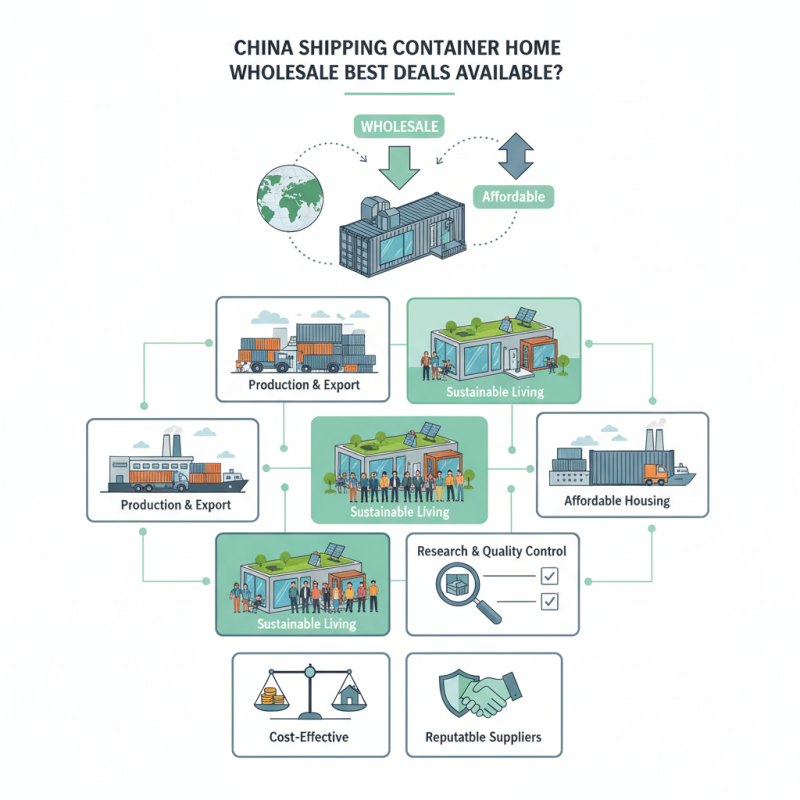
Understanding China Shipping Container Homes: An Overview
China's shipping container homes have gained popularity for various reasons, including affordability and eco-friendliness. These homes are constructed from repurposed shipping containers, providing a unique and modern living option. A report by Grand View Research suggests that the global modular construction market, including container homes, could reach $157.2 billion by 2023, illustrating growing interest.
These homes are customizable, allowing for diverse designs that suit different lifestyles. They require less time to build than traditional homes. However, there is a steep learning curve regarding insulation and plumbing modifications. Ensuring proper ventilation and thermal efficiency is crucial. Failing to address these issues can compromise comfort and sustainability.
Tip: Always consult with experts before starting a container home project. They can help avoid common pitfalls. Another tip is to research local zoning laws and regulations. They may restrict container home placement. Understanding these aspects helps ensure successful implementation of your vision.
Benefits of Using Shipping Containers for Home Construction
Shipping containers have emerged as a popular solution for home construction. The benefits are substantial. A report by the Container Housing Association states that container homes can be built at a cost savings of 30% compared to traditional construction methods. This makes them an attractive alternative for many homeowners.
Flexibility is another significant advantage. Shipping containers can be easily modified to create unique designs. Industry experts indicate that repurposed containers have multiple applications, from single-family homes to multifamily units. This adaptability helps meet diverse housing needs in urban and rural areas alike.
Environmental impact is a pressing concern. Using shipping containers reduces waste by repurposing steel structures. According to the Environmental Protection Agency, construction and demolition waste accounts for about 40% of total waste in the United States. Opting for container homes helps alleviate this issue. However, it's crucial to address potential insulation and ventilation challenges when converting these containers into livable spaces. Future studies should focus on improving sustainability in container housing, ensuring they meet modern living standards.
Where to Find the Best Deals on Shipping Container Homes in China
Finding the best deals on shipping container homes in China can be an exciting yet challenging task. As the popularity of container living rises, many manufacturers offer competitive prices. It's crucial to research and compare different suppliers. Consider visiting trade fairs or online platforms that showcase shipping container homes. Engaging with industry professionals can provide insights on quality and pricing.
Tips: Make a list of required features. Decide on size and layout before browsing. Understand your budget clearly. Don't forget to check reviews and ratings of suppliers.
Look for local manufacturers that have established a good reputation. They often provide better deals than international sellers due to lower shipping costs. It's also wise to ask for samples or visit previous projects. This helps to assess quality firsthand and avoid costly mistakes later.
Tips: Be cautious of extremely low prices. They may indicate poor quality or hidden costs. Always factor in delivery and customization fees. Prepare to negotiate, as many suppliers are open to discussions.
Factors to Consider When Purchasing Container Homes Wholesale
When considering the wholesale purchase of container homes, various factors come into play. Understanding these factors is crucial to making an informed decision. One important aspect is the quality of the container itself. Check for any signs of rust or damage. They can compromise the structure.
Another factor is the customization options available. Different manufacturers offer varying degrees of customization. Think about your specific needs and preferences before proceeding. This can save time and reduce stress later on.
Tips: Verify the supplier's reliability. Look for reviews and testimonials from previous customers. Ask for references if possible. Additionally, consider the shipping costs involved. This can significantly affect the overall price. A comprehensive cost analysis will help you make the best deal. Always keep room for negotiation. Sometimes, prices can be adjusted. It is worth exploring all possibilities.
China Shipping Container Home Average Prices by Size
Quality and Safety Standards for Shipping Container Homes in China
In recent years, shipping container homes have surged in popularity in China. These structures offer a unique blend of sustainability and affordability. However, as the market expands, ensuring quality and safety standards becomes crucial. Many manufacturers claim to follow strict regulations, but the reality can vary significantly. It’s vital for buyers to verify certifications and inspect building practices.
Safety is paramount in construction. Container homes must adhere to fire safety and structural integrity guidelines. In China, various local regulations exist. Unfortunately, some builders may overlook these standards to cut costs. Prospective homeowners should conduct thorough research. Engaging with reputable inspectors can help identify potential flaws.
Quality cannot be guaranteed by mere words. It's essential to ask for documentation confirming compliance with local building codes. When evaluating potential suppliers, look for transparency in their processes. Engaging with previous customers may also provide valuable insights. Many buyers express concerns about durability and long-term performance. Addressing these points ensures a reliable living environment for occupants.