How to Choose the Best Bottom Rolle for Your Business Needs?
Choosing the right Bottom Rolle for your business can make a significant impact. This decision affects productivity and efficiency. A suitable Bottom Rolle improves workflow and reduces operational costs.
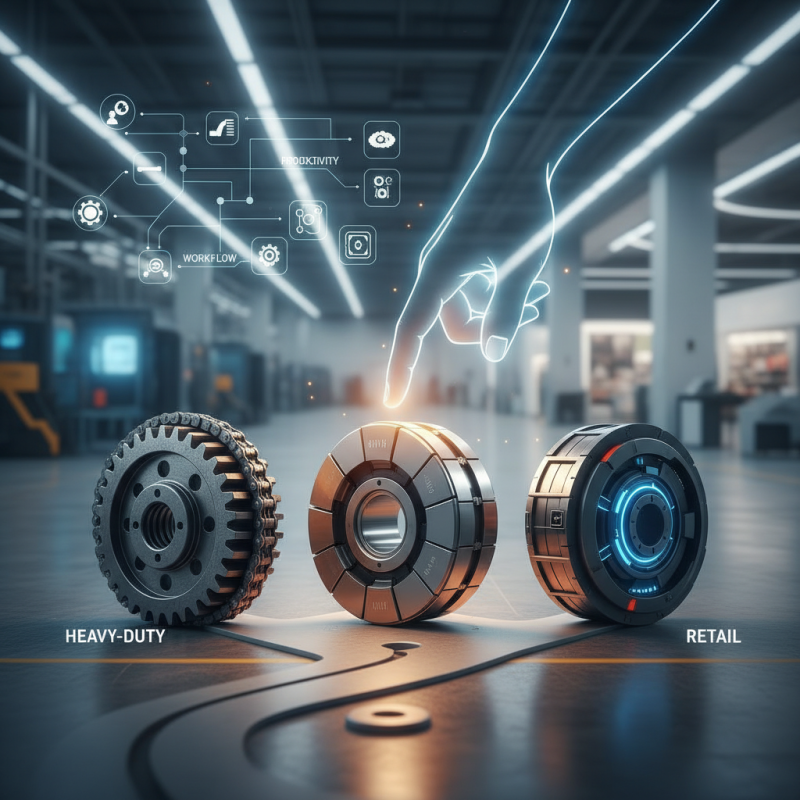
Consider your specific business needs. Each industry has unique requirements. For instance, a manufacturing company may need heavy-duty Bottom Rollen. In contrast, a retail operation might prioritize flexibility.
Don't rush this choice. Take time to evaluate options. Seek advice from experts or users with experience. A thorough understanding of features and benefits will guide your decision. Reflecting on your unique situation is vital for selecting the best Bottom Rolle.
Assessing Your Business Requirements for a Bottom Roller
When selecting a Bottom Roller for your business needs, understanding your specific requirements is crucial. Begin by identifying the materials you handle. Different materials may require distinct roller types for optimal performance. Consider the environment too. Will your rollers face extreme conditions like dust, moisture, or temperature variations? Assessing these factors is vital for longevity and reliability.
You also need to evaluate the load capacity of the rollers. What weight are they expected to carry? This directly affects performance and durability. Gather input from your team about the operational aspects. Their experience can highlight overlooked needs and potential failures. Additionally, think about maintenance and support. Will you need specialized assistance for repairs? Regular upkeep is often neglected but it’s necessary for smooth operations.
Finally, reflect on the overall cost versus benefits. Sometimes, cheaper options can end up being more expensive in the long run. Taking the time to thoroughly assess your business requirements ensures that you choose a bottom roller that truly fits your operations. Remember, each detail matters. Small oversights can lead to bigger problems, affecting productivity and profitability.
Understanding the Different Types of Bottom Rollers Available
Choosing the right bottom roller for your business is crucial. Various types of bottom rollers are designed for different applications, making it important to understand these options. The most common types include gravity rollers, belt-driven rollers, and chain-driven rollers. According to a recent industry report, over 70% of companies prefer gravity rollers due to their low maintenance needs and efficiency.
Gravity rollers are an economical choice, perfect for lightweight items. They require no power, reducing operational costs. Belt-driven rollers are typically used for heavier loads and offer more control over the movement speed. Chain-driven options excel in heavy-duty applications but may demand higher maintenance. Each type has its advantages, making selection dependent on business needs.
Tips for selection:
- Assess your load requirements.
- Consider the space available for installation.
- Evaluate maintenance capabilities.
Remember, the choice of roller impacts both productivity and operating costs. Some businesses may rush to select a cost-effective option without determining long-term needs. This can lead to inefficiencies and increased expenses down the line. A thoughtful approach is crucial for maximizing both performance and investment.
Evaluating the Material and Durability of Bottom Rollers
Choosing the right bottom roller for your business requires careful consideration, especially regarding material and durability. The type of material impacts not only the roller's lifespan but also its effectiveness in various environments. For example, steel rollers tend to offer greater strength and longevity, but they can rust if not properly maintained. Conversely, rubber rollers provide better grip and shock absorption. However, they might wear down faster in heavy-duty applications.
Durability is crucial. Many businesses overlook the importance of environmental factors. Exposure to moisture, extreme temperatures, or abrasive materials can significantly shorten a roller's life. It's wise to seek information about how different materials perform under stress. Sometimes, even high-quality materials fail in certain conditions. Therefore, understanding your operating environment is key.
Consider operational needs as well. High-load environments may necessitate a heavier, more robust roller. On the other hand, lightweight applications might prefer something more flexible and soft. Analyzing past performance under different conditions can guide future choices. Remember, what worked previously may not meet new challenges. Stay adaptable and open to reevaluating your options to better align with your current requirements.
How to Choose the Best Bottom Roller for Your Business Needs? - Evaluating the Material and Durability of Bottom Rollers
| Material Type | Durability Rating (1-10) | Weight Capacity (lbs) | Corrosion Resistance | Typical Applications |
| Steel | 9 | 2500 | Low | Manufacturing, Warehousing |
| Aluminum | 8 | 2000 | Medium | Aerospace, Automotive |
| Plastic | 6 | 1500 | High | Food Processing, Pharmaceuticals |
| Composite | 7 | 1800 | Very High | Construction, Heavy Equipment |
| Stainless Steel | 10 | 3000 | Very Low | Marine, Chemical Processing |
Cost Analysis: Budgeting for Your Bottom Roller Investment
When considering a bottom roller for your business, cost plays a crucial role. Firstly, analyze your budget constraints. Identify how much you can allocate for this investment. Research various models to understand price ranges. Look for options that fit your budget without compromising quality.
It's wise to remember that cheaper does not always mean better. Sometimes, lower-priced rollers may lack reliability. Think about the long-term costs associated with repairs or replacements. Investing a bit more upfront can save money over time.
Here are some tips. Compare multiple products side by side. This helps clarify the differences in pricing and features. Consider additional costs like shipping or maintenance. Factor these into your overall budget. Consult industry experts if needed. Their insights can guide your decisions and help avoid costly mistakes. Balancing initial costs and future value is vital for a wise purchase.
Reviewing User Feedback and Vendor Reputation for Bottom Rollers
When choosing a bottom roller, user feedback plays a crucial role. A recent report by the Industrial Equipment Association highlights that 75% of users prioritize reviews over vendor marketing materials. Feedback often reveals practical insights that marketing efforts may overlook. Understanding these real-life experiences can guide your decision.
Vendor reputation is equally important. According to data from the National Association of Manufacturers, companies with positive reputations can see a 30% increase in customer trust. Assess the longevity of the vendor in the market. Newer companies might lack the established feedback found with more experienced competitors. Yet, emerging vendors may offer innovative features.
Evaluating these options can be a challenging balancing act.
While reviewing user feedback, you may encounter inconsistencies. Some users may exaggerate their experiences, leading to confusion. Moreover, recent studies show that 40% of reviews can be biased. Effective evaluation involves cross-referencing multiple sources. Authentic insights improve your chances of selecting a bottom roller that meets your operational needs.