2026 How to Choose the Best Crane Rentals for Your Project?
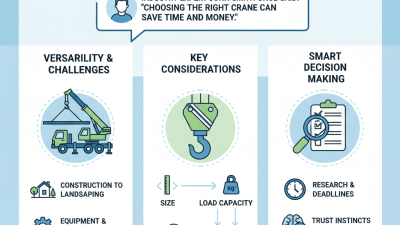
Choosing the right crane rentals for a project is crucial. Expert John Smith, a veteran in the industry, emphasizes, “The wrong crane can derail your entire project.” Understanding the nuances of crane rentals is essential.
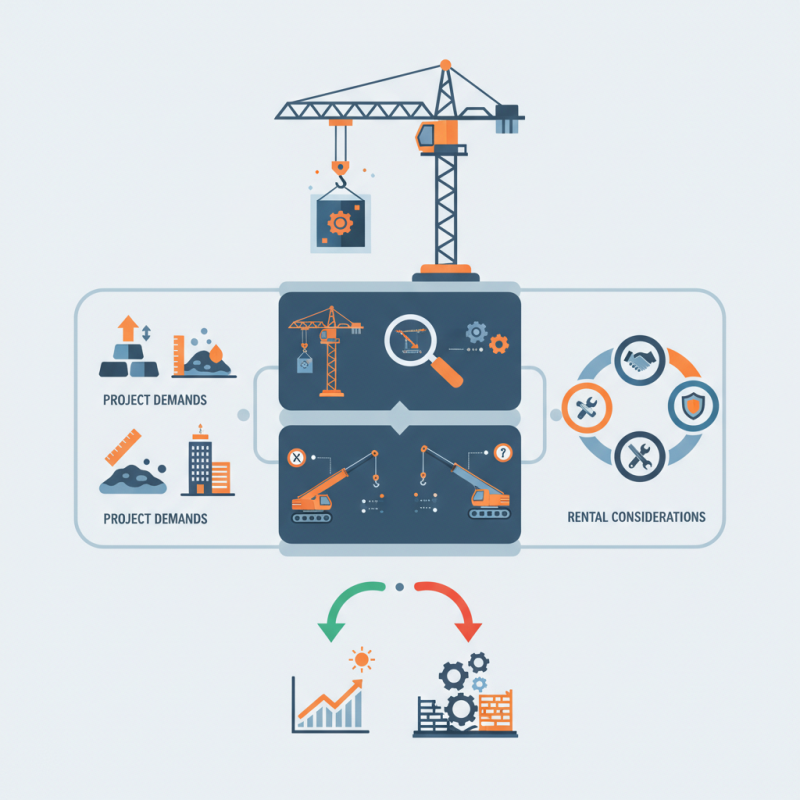
Different projects have varying demands. The weight of materials, height requirements, and site conditions all influence your decision. You don't want to rush into selecting equipment. Each crane rental has its specifications and limits. Misjudging these can lead to delays and wasted resources.
Exploring options is vital. Talk to rental companies and ask questions. It's not just about price; you need reliability and support. Consider the equipment’s condition and which services are offered. Reflect on choices with care. Picking the right crane rental can either elevate your project or bring it down.
Choosing the Right Crane Type Based on Project Specifications
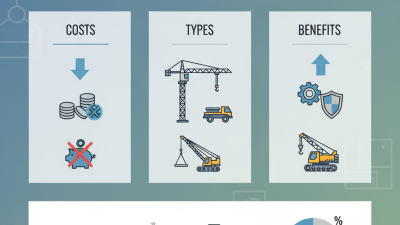
Selecting the right crane type for your project is crucial. Each crane serves different purposes and specifications. For instance, mobile cranes offer flexibility on job sites but may lack the lifting capacity of tower cranes.
A report by the Business Research Company states that the global crane rental market is expected to reach $50 billion by 2027. This growth indicates a rising demand for specific crane types tailored to distinct project needs.
When choosing a crane, consider the project's height and weight requirements. Tower cranes are ideal for tall structures, lifting heavy materials efficiently. However, they require significant setup time and space. Conversely, all-terrain cranes can operate on various surfaces and are easier to transport. Project managers should also factor in local regulations and site conditions, as detailed in industry guidelines. These elements can limit crane options, leading to potential delays.
Evaluate your project’s specifications carefully. It’s essential to involve experienced professionals in this decision-making process. Oversights can lead to selecting an unsuitable crane type, affecting timelines and budgets. A crane that cannot lift required weights could stall an entire operation.
Take time to assess all variables before making a decision.
Evaluating Load Capacity: Key Metrics for Crane Selection
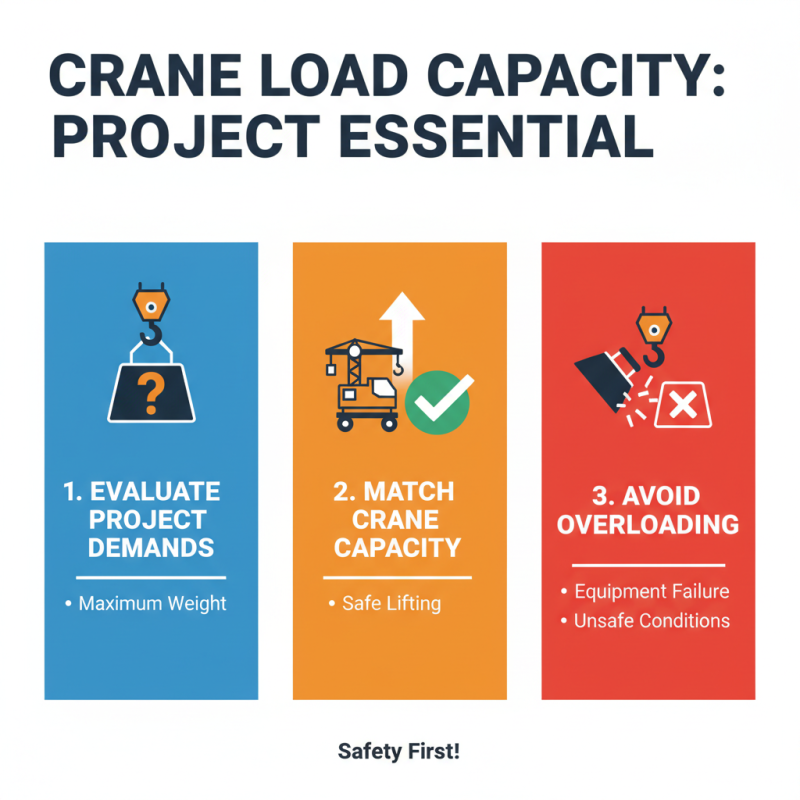
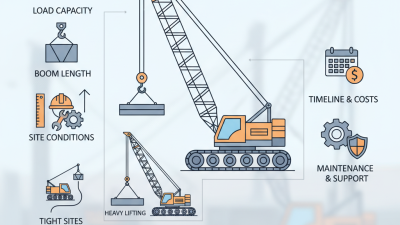
When selecting a crane for your project, evaluating load capacity is crucial. Load capacity refers to the maximum weight a crane can lift safely. It's vital to match this capacity with your project demands. If underestimated, a crane could fail, leading to equipment damage or unsafe conditions. Overloading is a common mistake to avoid.
Key metrics include working load limit (WLL) and chart ratings. WLL provides a safe weight limit based on numerous factors. These can be the crane's specifications, material fatigue, and environmental conditions. A climbing or swinging load can change the dynamic weight. Always consider these details carefully.
You may feel confident in your project estimates, but overlooking factors can be costly. Account for load distribution and rigging methods. These can impact how effective the crane will be. A heavy load, if poorly distributed, can compromise safety. It is essential to review your calculations and potential oversights. Understanding these metrics can help you choose the right crane rental.
Assessing Rental Costs versus Long-Term Investment Benefits
When considering crane rentals, evaluating costs against long-term benefits is crucial. A report by the American Crane and Hoist Association (ACHA) states that rental costs typically comprise around 30-40% of total project expenses. However, overlooking long-term investment can lead to missed opportunities. A well-chosen crane can enhance overall project efficiency.
Investment in high-quality equipment may seem expensive initially. Yet, it often results in lower operational costs over time. Companies that invest in premium cranes report a 20% increase in productivity. This raises an important question: are short-term savings worth potential long-term project delays? By analyzing these factors, project managers can make informed decisions on whether to rent or invest in equipment.
Moreover, maintenance and operational costs can compound quickly with frequent rentals. For example, monthly rental fees can escalate if projects extend beyond initial timelines. A lack of equipment customization may also hinder project efficiency. Thus, understanding the balance between immediate rental costs and future investment potential is vital for project success.
2026 How to Choose the Best Crane Rentals for Your Project? - Assessing Rental Costs versus Long-Term Investment Benefits
| Crane Type |
Rental Cost per Day |
Max Load Capacity (tons) |
Ideal Project Type |
Long-Term Investment Benefit (% Savings) |
| All Terrain Crane |
$600 |
50 |
Heavy Construction |
15% |
| Crawler Crane |
$750 |
75 |
Oil and Gas |
20% |
| Telescopic Crane |
$500 |
30 |
Warehouse/Logistics |
10% |
| Rough Terrain Crane |
$650 |
40 |
Landscaping |
12% |
| Tower Crane |
$800 |
100 |
High-Rise Construction |
25% |
Understanding Crane Rental Terms and Insurance Requirements
Choosing the right crane rental requires understanding key factors, especially terms and insurance requirements. Insurance can vary widely. A study indicated that 60% of construction companies reported being underinsured for equipment rentals. This leads to risk if accidents occur.
Crane rentals often come with strict insurance clauses. Most companies require general liability and worker’s compensation coverage. This protects you from potential financial fallout. Ensure your insurance meets local regulations. Gaps in coverage can lead to significant losses.
Understanding rental terms is also crucial. Many contracts can contain hidden fees. A recent report showed that approximately 35% of firms faced unexpected costs during crane rentals. Read your agreements carefully. Look for clauses on overtime usage and damages. These details can impact your project's overall budget and timeline.
2026 Crane Rental Costs Comparison
The bar chart above illustrates the average daily rental costs for various types of cranes. This information can help you understand the financial aspects to consider when choosing crane rentals for your project.
Identifying Reputable Crane Rental Companies and Their Certifications
When selecting a crane rental company, certifications play a crucial role. A reputable company should hold certifications from recognized industry organizations. The American National Standards Institute (ANSI) and the Occupational Safety and Health Administration (OSHA) are two crucial authorities. These certifications ensure that the company adheres to safety and operational standards.
According to recent industry reports, over 30% of accidents in construction are related to crane operations. This highlights the need for diligent selection processes. In 2022, it was found that projects using certified crane services reduced accident rates by 25%. It’s essential to verify that the company maintains up-to-date training for operators and meets local regulatory requirements.
Additionally, while many companies claim to meet safety standards, not all do. It’s essential to ask for recent performance records and client references. Many businesses fall short in this area. The right choice can greatly impact the success of your project. Investing time in research will pay off significantly.