How to Choose the Best Pickup Truck for Your Needs?
Choosing the right Pickup Truck can be a daunting task. Pickup trucks are essential for many consumers, whether for work or leisure. According to a recent report by the Research Institute of Automotive Technology, the demand for pickup trucks has grown by 12% in the past five years. This increase reflects their versatility and practicality.
Expert automotive journalist John Davis states, “A pickup truck can be a powerful tool for both work and play.” His insight emphasizes the importance of considering your specific needs. Different models offer unique features such as towing capacity and fuel efficiency. It's crucial to evaluate what's most important for your lifestyle.
However, there can be pitfalls in the selection process. Some may overlook critical factors like safety ratings or maintenance costs. Understanding these elements can lead to better choices. The pickup truck market is diverse, and what works for one person may not fit another's needs. Buyers should reflect on their usage and preferences before making a decision.
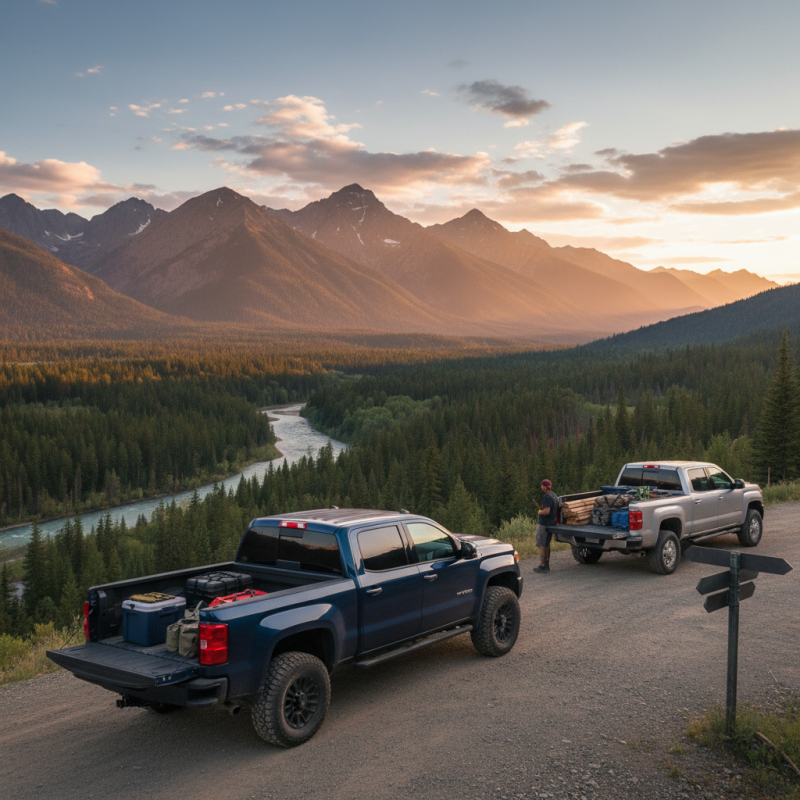
Understanding Your Specific Needs and Preferences
Choosing the right pickup truck starts with understanding your specific needs and preferences. Consider what you will use it for. Will it be for heavy-duty hauling or everyday commuting? Analyzing your primary use will help you narrow down the options.
Think about the space you'll need. A larger cabin might be necessary for family trips, while a smaller option could suffice for solo travel. Additionally, reflect on fuel efficiency. You might crave power, but running costs can add up. How often will you drive long distances?
Comfort plays a big role too. Spend some time inside different models. Are the seats supportive? Do controls feel intuitive? Each detail matters. However, remember that everyone has different tastes. What works for one may not suit another. It’s a balancing act between needs and desires.
Take the time to answer these questions honestly.
Evaluating Different Pickup Truck Types and Models
When evaluating different types of pickup trucks, consider your specific needs. Light-duty trucks are ideal for daily use and lighter tasks. They often provide a comfortable ride and better fuel efficiency. Studies show light-duty models can average between 18-25 miles per gallon. However, they might lack the towing capacity required for heavy loads.
In contrast, heavy-duty models excel in towing and hauling. They typically have robust frames and powerful engines. A heavy-duty truck can tow upwards of 10,000 pounds. Yet, they are less efficient, averaging around 15-20 mpg. This discrepancy can be a drawback for those concerned about fuel costs.
Another option is mid-size trucks. These balance efficiency and capability well. They suit those who need versatility without the bulkiness of heavy-duty models. Data shows mid-size pickups have seen a 30% increase in sales over the past five years. However, potential buyers must weigh the trade-offs in power and space. Each truck type has distinct benefits and drawbacks; understanding these will help in making an informed decision.
Comparing Key Features: Engine, Payload, and Towing Capacity
When choosing a pickup truck, engine performance, payload, and towing capacity are critical. The engine is the heart of the truck. A powerful engine can mean faster acceleration and better performance when carrying heavy loads. Look for engines with high horsepower and torque ratings. Test drives can reveal a lot about how an engine responds. Sometimes the numbers don't match the real-world feel.
Payload capacity refers to how much weight a truck can carry in its bed. It’s essential for hauling materials or equipment. Check the specifications carefully, as this can vary significantly between models. Consider what you often transport. Is it lumber, tools, or recreational gear? Reflect on this to choose wisely. Also, ensure you don’t overload the truck, as this can lead to safety issues.
Towing capacity is another vital consideration. It affects how much you can safely pull behind the truck. Think about your towing needs. Do you need to haul a trailer or boat? Ensure the truck can handle the load. Sometimes, bigger isn’t always better if you don't need that capacity. Many overlook their actual requirements, leading to poor choices. Balance your needs with performance to find the perfect fit.
Assessing Fuel Efficiency and Maintenance Costs
When choosing a pickup truck, fuel efficiency is a crucial factor. Many models boast high horsepower but consume a lot of fuel. A truck with lower MPG may seem powerful, yet it can lead to higher costs over time. Consider your daily driving needs. If you often drive short distances, a smaller engine might be adequate. However, for long hauls, a more fuel-efficient engine could save you money.
Maintenance costs can also add up quickly. Regular oil changes, tire rotations, and brake checks are essential. Some trucks require premium parts, increasing expenses. Look into the average maintenance costs of potential models. Online reviews and forums can provide useful insights. Think about future repairs too. A truck that seems reliable today could lead to unexpected bills later.
Take the time to reflect on your driving habits. Identify what matters most: fuel efficiency or towing capacity? Each choice has trade-offs. Sometimes, the best option may not be what it seems on paper. Real-world performance often differs. Always do your research and consider how you plan to use the truck daily.
How to Choose the Best Pickup Truck for Your Needs? - Assessing Fuel Efficiency and Maintenance Costs
| Truck Model | Fuel Efficiency (MPG) | Annual Maintenance Cost ($) | Towing Capacity (lbs) | Cargo Space (cu ft) |
| Model A | 22 | 800 | 7,000 | 50 |
| Model B | 20 | 900 | 8,500 | 60 |
| Model C | 18 | 1,000 | 10,000 | 70 |
| Model D | 24 | 750 | 6,500 | 55 |
Reviewing Safety Ratings and Technological Advancements
When selecting a pickup truck, safety ratings are crucial. These ratings reflect how well a vehicle performs in crash tests. Look for trucks with high scores in frontal and side-impact tests. Advanced safety features can make a significant difference. Blind-spot monitoring, lane-keeping assist, and automatic emergency braking are all valuable. These technologies contribute to safer driving experiences.
Technological advancements continue to shape the automotive landscape. Many new trucks now offer adaptive cruise control and advanced infotainment systems. These systems enhance connectivity and entertainment on the road. However, some users find these features overwhelming. New tech may distract rather than assist. It’s essential to find a balance that prioritizes safety without sacrificing usability.
The choice isn't always straightforward. Sometimes, you might prioritize safety but overlook comfort. Other times, you might be drawn to the latest tech without considering its practicality. Reflecting on your needs is key. Consider your daily driving scenarios. Are you often on rough terrains or city roads? This reflection will guide you in making a more informed decision.