How to Choose the Best Portable Tower Crane for Your Construction Needs
In the ever-evolving landscape of construction, selecting the right equipment is vital for efficiency and safety. One crucial piece of machinery is the portable tower crane, which offers flexibility and power in various construction scenarios. According to construction industry expert John Smith, "Choosing the right portable tower crane can significantly impact project timelines and overall success." This highlights the importance of making informed decisions when it comes to equipment selection.
Portable tower cranes are uniquely designed to combine the capabilities of traditional tower cranes with the mobility needed for diverse job sites. As projects become more complex and deadlines tighter, understanding the specific needs of your construction operations is essential. Factors such as lifting capacity, height, and ease of assembly can make a considerable difference in productivity.
As you navigate the selection process for a portable tower crane, consider not only the technical specifications but also the supplier's reputation and support services. Making the right choice can lead to enhanced operational efficiency and contribute significantly to the successful completion of your project.
Understanding the Different Types of Portable Tower Cranes
When selecting a portable tower crane for your construction project, it is crucial to understand the various types available and their specific functionalities. Generally, portable tower cranes can be grouped into several categories based on their design and operational capabilities. For example, some cranes are designed to be quickly assembled and disassembled, making them ideal for smaller projects that require frequent relocation. Others may offer greater lifting capacities and reach, suited for larger construction sites where heavy materials and high elevations are involved.
Tips for choosing the right type include assessing the project requirements such as the materials to be lifted and the height needed. Additionally, consider the workspace accessibility; if a crane needs to maneuver through tightly packed areas, a more compact model may be necessary. Understanding the load charts is equally important, as this will help you gauge the crane's performance under varying conditions.
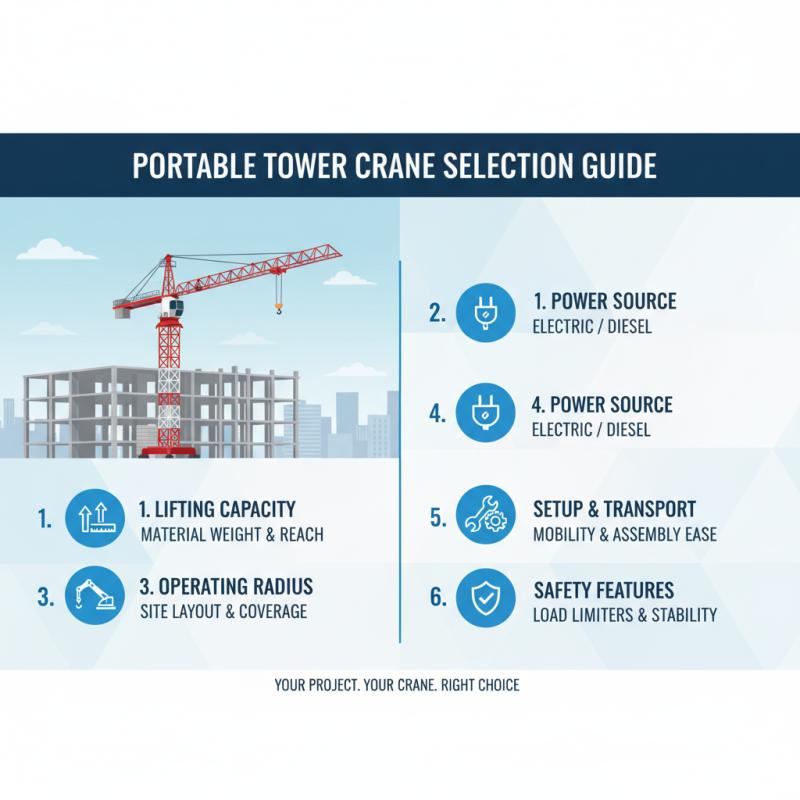
Another key consideration is the crane’s power source. Some portable cranes operate on electricity, while others may use diesel or other fuels. This decision can impact operational costs and environmental considerations, so it’s worth evaluating the specifics of your site and the local regulations regarding emissions. Ultimately, understanding the different types of portable tower cranes and their specifications will render the selection process smoother and ensure you meet your construction needs efficiently.
Key Factors to Consider When Selecting a Portable Tower Crane
When selecting a portable tower crane for your construction project, several key factors should be considered to ensure that it meets your specific needs. First, assess the lifting capacity of the crane. Depending on the weight of the materials you will be handling, you will need a crane that can safely lift and move those loads without strain. Analyzing the maximum height and reach of the crane is also essential since different projects have varying requirements based on site layout and building height.
Another critical factor is the ease of assembly and disassembly of the crane. Portable tower cranes should be designed for quick setup and takedown to minimize downtime and enhance productivity on the job site. Consider the portability and transportation options, as these cranes should be easy to move between locations. Lastly, evaluate the safety features incorporated into the crane design. Robust safety mechanisms and compliance with industry standards can significantly affect the overall safety of your construction site, providing peace of mind as you operate the machinery.
Assessing Load Capacity and Height Requirements for Construction
When choosing a portable tower crane for your construction needs, assessing the load capacity and height requirements is crucial.
Load capacity refers to the maximum weight the crane can safely lift and handle during operations. To determine the appropriate load capacity, consider the heaviest materials and equipment you will be lifting on-site. This includes structural components, machinery, and any other resources essential for your project.
It’s essential to select a crane with a capacity exceeding your maximum load to ensure safety and efficiency throughout the construction process.
Height requirements play a significant role in the usability of a portable tower crane. Evaluate the heights of the buildings or structures you will be working on, as well as any potential obstacles that could hinder the crane's operation.
Consider the reach and lifting height of the crane, which determines how effectively it can position materials at various elevations.
Make sure that the crane can not only reach the maximum height required but also maintain stability during operations at that height. By thoroughly assessing both load capacity and height requirements, you can select a portable tower crane that optimally fits your specific construction needs.
Evaluating Safety Features and Compliance Standards
When selecting a portable tower crane for construction purposes, evaluating safety features is paramount. A crane’s design should incorporate robust safety mechanisms, such as overload protection systems, emergency stop buttons, and secure rigging components. These features help prevent accidents and ensure that the crane operates within its specified limits. Additionally, a crane should come equipped with proper warning systems to alert operators of any potential hazards or malfunctions, thereby enhancing the overall safety of the construction site.
Compliance with local and international safety standards is another critical aspect to consider. Different regions may have specific regulations regarding crane operation, including inspection protocols and maintenance requirements. Ensuring that the portable tower crane meets these standards not only promotes safety but also helps avoid legal issues that could arise from non-compliance. Regular inspections, certification from recognized authorities, and adherence to industry best practices are essential to validate the crane's safety features. By prioritizing these safety and compliance aspects, builders can significantly mitigate risks and protect the well-being of their workforce.
How to Choose the Best Portable Tower Crane for Your Construction Needs - Evaluating Safety Features and Compliance Standards
| Model |
Max Load Capacity |
Height |
Safety Features |
Compliance Standards |
| Compact Crane A |
5 tons |
20 m |
Anti-collision system, Load moment limiter |
ISO 9001, EN 14000 |
| Heavy Duty Crane B |
10 tons |
30 m |
Emergency stop switch, Overload protection |
ASME B30.3, OSHA |
| Versatile Crane C |
8 tons |
25 m |
Tilt sensors, Safety latch |
ISO 9001, ANSI |
Budgeting for Purchase or Rental of Portable Tower Cranes
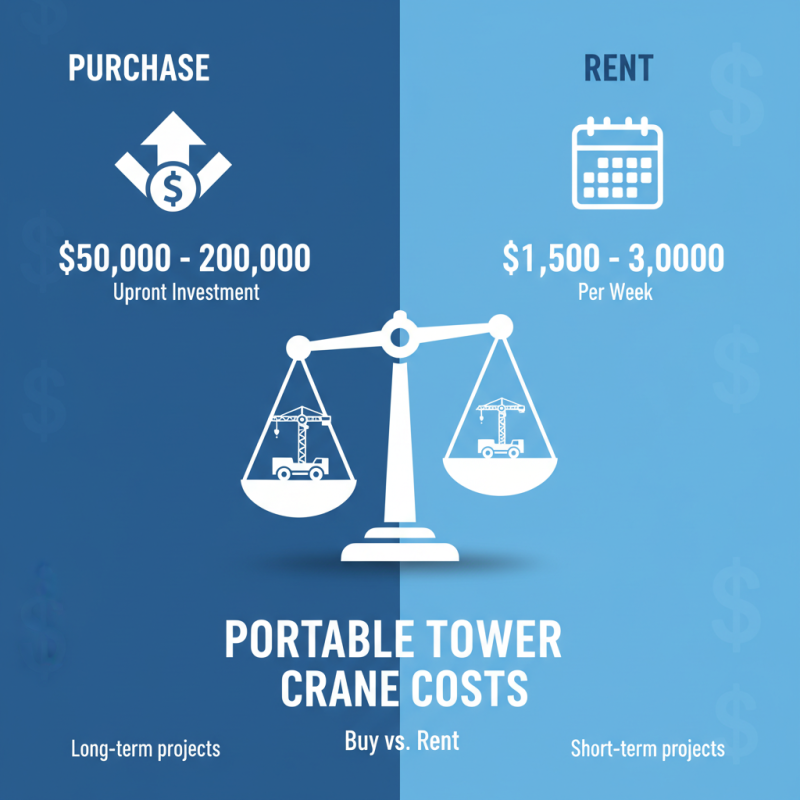
When considering the budgeting for the purchase or rental of portable tower cranes, it's essential to evaluate the total cost of ownership versus the initial expenditure. Industry reports indicate that purchasing a portable tower crane can require an upfront investment ranging from $50,000 to $200,000, depending on the lifting capacity and features. In contrast, renting a crane may cost around $1,500 to $3,000 per week, allowing for flexibility depending on project duration and requirements. This makes renting a more viable option for short-term projects or businesses with fluctuating needs.
**Tips:** Always factor in additional costs such as transportation, insurance, and maintenance when budgeting for crane usage. Conducting a comprehensive analysis of your project timeline and crane requirements can help financially align your resources.
Emphasizing planning is crucial; ensure you have a clear understanding of your budget before making any decisions. Many companies have reported that a meticulous budget allocation can save substantial money, as unexpected rental fees can add up quickly. According to a recent construction industry study, approximately 30% of projects exceed their initial budget, often due to inadequate preparation for equipment costs. Proper budgeting is instrumental in preventing such pitfalls.