How to Choose the Best Portable Tower Crane for Your Project?
Choosing the right portable tower crane for your project can significantly impact productivity and safety. According to industry expert John Anderson, “The right crane can make all the difference in project efficiency.” Understanding the range of options available is key.
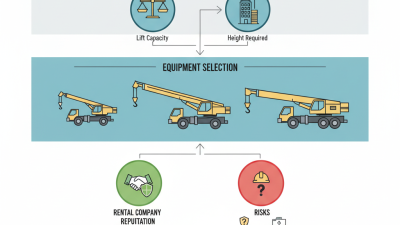
Portable tower cranes come in various sizes and capacities. Each model is designed for specific tasks. Consider the height requirements and load capacity needed for your project. Evaluate if the crane is easy to transport and setup.
Reflection is important in this choice. Mistakes can lead to costly delays. Always prioritize reliability and expert recommendations. Investing time in research will yield better outcomes. A well-chosen portable tower crane will enhance overall project success.
Understanding the Different Types of Portable Tower Cranes Available
When selecting a portable tower crane, understanding the different types available is crucial. Portable tower cranes typically fall into a few categories. These include hydraulic cranes, electric cranes, and manual cranes. Each type serves distinct purposes, impacting your project’s efficiency and safety. Hydraulic cranes are powerful and ideal for heavy loads. Electric cranes, while efficient, may have limitations in terms of reach and load capacity. Manual cranes can be cost-effective but require more labor.
Consider the project site when choosing a crane. For instance, narrow spaces may necessitate a compact model. The terrain also matters. Some cranes have specific ground requirements and safety standards. Weather conditions can further influence your decision, as certain cranes perform poorly in high winds or storms. Analyzing these factors can help you avoid costly mistakes.
Experience tells us that oversizing or undersizing a crane can impact project timelines. Project managers often find that the right crane balances load capacity and reach, fitting the site’s needs. It's important to reflect on past projects. Did the crane meet expectations? Were there any surprises? Frequent evaluations of crane performance can guide future choices.
How to Choose the Best Portable Tower Crane for Your Project?
| Type of Crane |
Maximum Lifting Capacity (tons) |
Reach (meters) |
Weight (kg) |
Ideal Applications |
| Transportable Tower Crane |
4 |
30 |
2500 |
Small to Medium Construction Sites |
| Self-Erecting Tower Crane |
6 |
40 |
3200 |
Residential and Commercial Projects |
| Flat Top Tower Crane |
8 |
50 |
4500 |
High-Rise Buildings |
| Hammerhead Tower Crane |
10 |
60 |
5000 |
Large Construction Projects |
Assessing the Load Capacity Requirements for Your Project
When selecting a portable tower crane, evaluating the load capacity is crucial. It directly impacts the efficiency and safety of your project. Each project has different requirements, and assessing these needs helps in choosing appropriately. Load capacity is about understanding both the weight of materials and the height they need to be lifted. Accurately calculating this ensures you select a crane that can handle your project's demands.
Understanding the specifics of your project is essential. Take into account the maximum weight you need to lift. Consider the materials you’ll be using. Are they heavy or lightweight? Reflect on the vertical distance as well. Is there a need to lift to considerable heights? Misjudging these requirements can lead to significant issues. If the crane is under-capacity, accidents may occur. Conversely, an over-capacity crane can waste resources.
Consulting with experienced professionals can clarify your needs. They can provide insights into the load factors that should be considered. Reliability is often linked to expertise, so seeking advice is wise. Ensure you ask about not just capacity but also stability and safety features. This knowledge can enhance the chances of project success.
Evaluating Site Conditions and Crane Mobility Needs
When choosing a portable tower crane, evaluating site conditions is crucial. Consider the ground stability. Uneven or soft soil can affect the crane's stability. It might require additional foundations or outriggers. Assessing the height of surrounding structures is also important. Nearby buildings can obstruct the crane's range and affect its operation.
Crane mobility needs depend on your project’s layout. Identify how much space is available for maneuvering the crane. If the site is crowded, a smaller, more agile crane might be ideal. Also, consider how often the crane needs to be repositioned. Frequent moves can slow down the project and increase costs.
Lastly, think about the terrain. Crane operations on steep slopes demand specialized cranes. Regular inspections are necessary to ensure safety and functionality. A dependable crane can make a significant difference in project efficiency. Reflecting on these factors guides you in selecting the best option for your needs.
Comparing Features and Specifications of Various Models
When selecting a portable tower crane, it's essential to analyze various features and specifications. Start by evaluating load capacity. This aspect determines how much weight the crane can lift at any given moment. A model with a higher capacity might not be necessary for smaller projects. Always consider the specific needs of your tasks.
Next, look into height and reach. The maximum lifting heights and horizontal reach can significantly impact your operations. Some projects may require a crane that can extend further. Additionally, the crane's setup process involves various factors like assembly time and ease of transportation. A model that can be assembled quickly could save time and minimize labor costs on your site.
Stability and mobility are also crucial. Some cranes may have advanced stabilization features, while others might be more portable but lack stability. Sometimes, a trade-off between stability and weight is needed. This might lead to challenges during operation, especially in adverse weather conditions. Evaluating all these elements helps ensure you select a crane that fits your practical requirements.
Checking Safety Standards and Compliance for Crane Selection
When selecting a portable tower crane, safety standards and compliance should be a top priority. Each crane model must meet strict safety regulations. These include load capacity, stability, and operational safety features. Checking these regulations minimizes risk on your construction site. Make sure to review local codes and standards. Compliance can vary significantly by region.
Tips: Always ask for inspection certificates. Don’t hesitate to request a thorough safety checklist. Understanding potential hazards is crucial. Ensure the crane has safety features like emergency stop controls and anti-collision systems. These elements enhance overall site security.
Remember, not all cranes are created equal. Sometimes, a lower-priced option lacks essential safety features. This can lead to accidents and costly setbacks. Investing in a reliable crane increases productivity and maintains safety. Scrutinize maintenance records and past performance reviews for guidance. Take time to reflect on your decision. A well-informed choice can lead to better project outcomes.