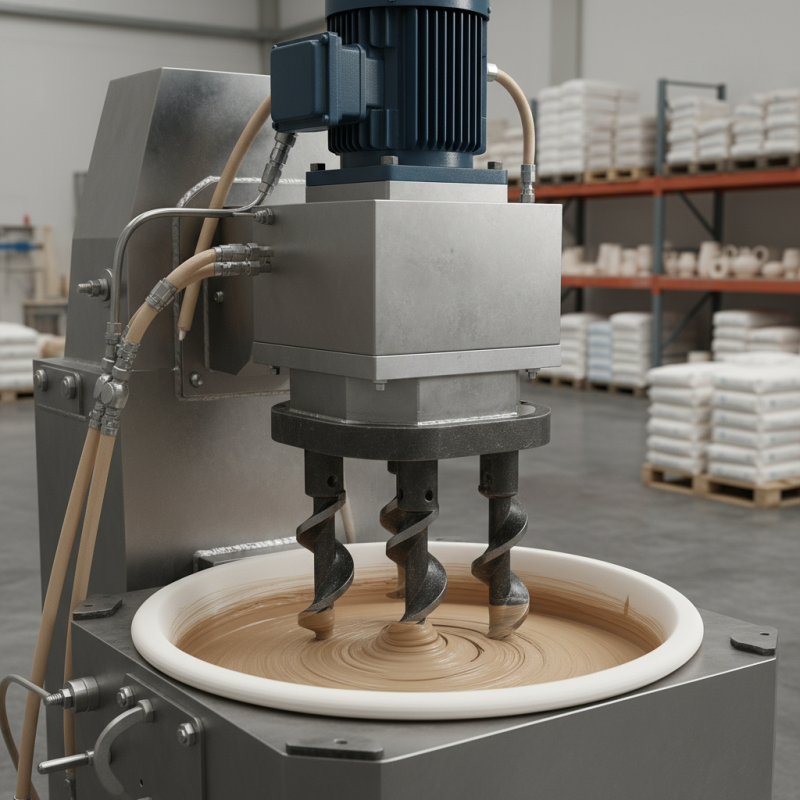
Why Choose a Ceramic Mixer Machine for Your Business Needs?
In today’s competitive market, choosing the right equipment is crucial. A ceramic mixer machine stands out among various options. This machine enhances efficiency and improves product quality. It helps businesses achieve consistent results in their mixing processes.
A Ceramic Mixer Machine is designed for precision and durability. Its robust construction allows for the mixing of various materials. This versatility is essential for businesses dealing with ceramics or similar products. Many companies find these machines easy to use, cutting down on training time.
However, it’s vital to consider the specific needs of your business. Not every Ceramic Mixer Machine suits all applications. Some models may lack features necessary for certain tasks. Evaluating your production requirements is essential before making a decision. Investing wisely can yield significant returns in quality and efficiency.
Benefits of Using a Ceramic Mixer Machine in Business Operations
When considering a ceramic mixer machine for your business, efficiency becomes a key benefit. This equipment excels in blending materials consistently. A well-mixed batch can improve product quality, enhancing customer satisfaction. This leads to repeat business and stronger brand loyalty.
Another advantage is the durability of ceramic materials. Unlike metal mixers, ceramic mixers resist wear and tear better. This can reduce maintenance costs over time. Less downtime means smoother operations. However, it is essential to ensure proper training for staff. Without adequate knowledge, mistakes can happen, leading to waste.
Ceramic mixer machines also allow for precise control over the mixing process. This aspect can be beneficial in creating unique products that stand out in the market. Still, it may require frequent adjustments. Finding the right balance can be challenging. Adapting to this technology will take time, but the potential rewards are substantial.
Key Features to Consider When Choosing a Ceramic Mixer Machine
When choosing a ceramic mixer machine, there are key features to evaluate. The power of the motor is crucial. A robust motor ensures smooth mixing of various materials. Machines with at least 5HP often provide efficient operation for larger batches, according to industry reports. Additionally, consider the capacity of the mixing drum. A larger drum can handle up to 500 liters, which is useful for high-demand production.
Next, evaluate the mixing speed. Adjustable speed settings allow for customization based on the material's viscosity. Typically, machines with variable speed can range from 20 to 200 RPM. This flexibility offers better control over mixing consistency. Furthermore, pay attention to the construction material. Stainless steel is preferred for durability and easy cleaning. A ceramic mixer should also feature a reliable safety mechanism to prevent explosions or accidents during operation.
Finally, look for user-friendly controls. Simple interfaces help reduce training time for operators. Some machines offer digital displays, enhancing ease of use. Yet, the investment might seem high. Many operators express concerns about the return on investment. It’s important to reflect on whether this machinery will meet your unique needs. The market for ceramic processing is growing, but the investment should align with your specific output requirements.
How Ceramic Mixer Machines Enhance Mixing Efficiency and Quality
Ceramic mixer machines are becoming increasingly popular in various industries. They offer significant improvements in mixing efficiency and overall quality. These machines can thoroughly blend different materials, ensuring a uniform consistency. A well-mixed product has a crucial impact on both the performance and appearance of end products.
Using ceramic mixers minimizes the risk of contamination. Their non-porous surfaces do not absorb materials. This aspect helps maintain product purity, which is vital for businesses focused on quality. However, not every ceramic mixer performs equally. Some models may struggle with tougher materials. Investing time to research different options can save headaches later.
Additionally, ceramic mixers are designed for diverse applications. They can handle a variety of materials, from powders to pastes. Their versatility is appealing; however, businesses must consider the specific needs of their production processes. Choosing the wrong machine can lead to inefficiencies, causing delays and increased operational costs. There’s always room for improvement in selecting the right equipment.
Comparative Analysis: Ceramic Mixer Machines vs. Other Mixing Equipment
When considering mixing equipment for ceramics, ceramic mixer machines stand out. They excel in producing a homogenous mixture. This is essential for consistent quality in ceramic production. Other mixing equipment may not achieve the same level of consistency. They often struggle with thicker materials or specific ceramic formulations.
However, ceramic mixer machines have their own challenges. They require careful maintenance to prevent wear and tear. Some operators find them complex to set up. Adjustments may take time and training. In contrast, other mixers are often more user-friendly and versatile. Yet, they might compromise on the blending quality necessary for ceramics.
Choosing the right mixer involves weighing these factors. If high-quality mixing is critical, ceramic mixer machines are a strong choice. They align closely with the needs of ceramic businesses. But, businesses must also consider their operational efficiency and ease of use. Balancing quality and practicality is crucial for success in ceramics.
Maintenance Tips for Maximizing the Lifespan of Ceramic Mixer Machines
Ceramic mixer machines are vital for many businesses. Choosing one can be a significant decision. Ensuring it lasts is equally important. Regular maintenance is key to maximizing its lifespan. Here are some essential maintenance tips.
Check the mixer daily. Look for any signs of wear or damage. Oil the moving parts frequently. This keeps everything running smoothly. Dust and debris can accumulate. Clean the machine regularly to prevent this. Neglecting cleaning can lead to bigger issues. Pay attention to cracks or chips on the surface. These can affect performance.
Train your staff on proper usage. Mistakes can lead to unnecessary wear. Document any maintenance performed. This helps track performance over time. If something feels off, address it immediately. Waiting can exacerbate problems. Don't ignore the little things. Small fixes today may prevent costly repairs tomorrow.