How to Choose the Right Hydraulic Pumps for Your Needs?
Choosing the right Hydraulic Pumps can significantly impact your operations and efficiency. Bob Johnson, a leading expert in hydraulic systems, once stated, "The right pump can make or break your project." This emphasizes the importance of carefully considering your options when selecting hydraulic pumps.
Hydraulic pumps serve various applications, from construction to manufacturing. These devices convert mechanical energy into hydraulic energy, driving vital machinery. However, with numerous types available, finding the perfect fit for your specific needs can be challenging. Recognizing different pump types, such as gear, piston, and vane pumps, is essential. Each has unique advantages and limitations.
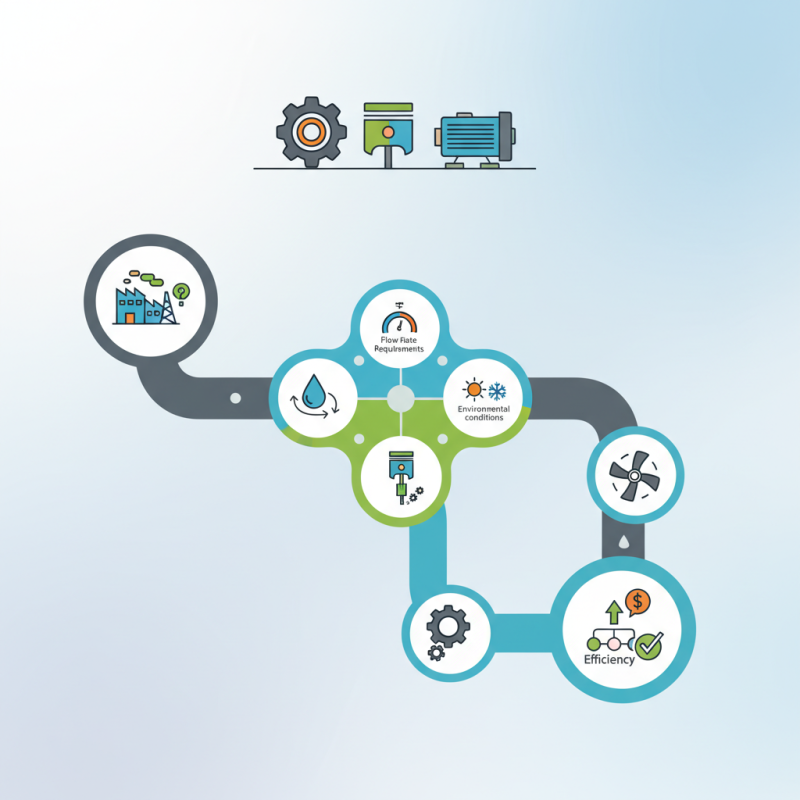
Understanding your system's requirements is crucial. Consider factors like flow rate, pressure requirements, and environmental conditions. Not every pump will suit every application. This necessitates a thorough analysis of both your needs and the available technologies. Select pumps that align with your operational goals. Ignoring this step can lead to inefficiencies and increased costs over time.
Understanding the Basics of Hydraulic Pumps and Their Applications
Hydraulic pumps play a key role in diverse industrial applications, powering machinery and equipment efficiently. Developing an understanding of hydraulic systems helps in selecting the right pump. These devices convert mechanical energy into hydraulic energy. They pressurize fluids to transmit force, which is essential in industries like construction, agriculture, and manufacturing.
In 2022, the global hydraulic pump market was valued at approximately $11 billion. This growth reflects the increasing demand for hydraulic systems across sectors. Different types of pumps, such as gear, piston, and vane pumps, cater to specific needs. Gear pumps are known for their simplicity and reliability, ideal for low-pressure applications. Piston pumps offer higher efficiency and power, making them suitable for heavy-duty tasks.
Consider your unique needs carefully before making a choice. It's vital to assess flow rates, pressure requirements, and fluid types. For example, certain hydraulic fluids might require specialized pumps. Inconsistent performance or improper pump selection can lead to malfunctions and unnecessary downtime. Understanding these nuances helps in making a more informed decision.
Hydraulic Pump Types and Their Applications
Identifying Your System Requirements for Hydraulic Pump Selection
Choosing the right hydraulic pump requires understanding your system's specific needs. Begin by assessing the pressure requirements. Different applications demand different pressure levels. It's crucial to match the pump's capacity to your system's design. Too high pressure can damage components. Conversely, too low may not meet performance expectations.
Next, consider the flow rate. This determines how quickly hydraulic fluid moves through the system. Calculate the required flow for your operation. A mismatch can lead to inefficiencies. Make sure to consult with professionals if you are uncertain about these calculations.
Tip: Recognize that the environment affects pump performance. Temperature fluctuations and exposure to contaminants can impact efficiency. Choose a pump designed for your operational conditions.
Another factor is the size and weight of the pump. Compact units may be easier to install and maintain. However, ensure they provide adequate power.
Tip: Create a checklist of your system requirements before selecting a pump. This helps avoid overlooking essential factors.
Evaluate the material compatibility as well. Certain fluids can corrode specific materials. Ensure the pump's material matches the hydraulic fluid used.
Tip: Take time to review your selection process. Reflect on past experiences with different pumps. This can guide your decision-making for future projects.
Types of Hydraulic Pumps and Their Key Features
When selecting hydraulic pumps, understanding the various types is crucial. Gear pumps are one popular option. They are known for their simple design and reliability. These pumps work by moving fluid through gears, providing a steady flow rate. They are ideal for low-viscosity fluids. However, gear pumps can be noisy, which may not be suitable for all applications.
Another key type is the piston pump. Piston pumps are highly efficient and can achieve high pressures. They function by using pistons to compress fluids. This type is excellent for high-pressure needs but usually comes at a higher cost. Consider space, as these pumps can be bulkier than gear pumps.
Tip: Always assess the viscosity of the fluid you plan to use. This will help narrow down your choices.
Diaphragm pumps offer unique benefits as well. They are effective for corrosive fluids and can run dry without damage. These pumps use a diaphragm to create a pumping action. While versatile, they are more complex and may require more maintenance. It’s essential to consider your long-term serviceability.
Tip: Conduct regular maintenance checks on your pump type. This can extend the lifespan and efficiency. Each pump type has its strengths and weaknesses; understanding them is vital for effective use.
Factors to Consider When Choosing a Hydraulic Pump
Choosing the right hydraulic pump involves understanding several key factors. Start with the application requirements. Different jobs may demand varying flow rates and pressures. Assess the hydraulic system’s needs carefully. This ensures you select a pump that can handle the task efficiently.
Another critical aspect is the pump type. Gear pumps, diaphragm pumps, and piston pumps all have unique characteristics. Some are better for high pressures, while others excel in lower flow applications. Think about the environment as well. Factors like temperature and exposure to contaminants can influence performance and durability.
Pay attention to the size and compatibility of the pump. An ill-fitting pump can lead to leaks or system failures. It's also wise to consider maintenance needs. Some hydraulic pumps require regular upkeep, which can add to long-term costs. Evaluate your knowledge and comfort level with these maintenance tasks before deciding. This reflection on your capabilities can prevent potential issues down the road.
How to Choose the Right Hydraulic Pumps for Your Needs? - Factors to Consider When Choosing a Hydraulic Pump
| Factor | Description | Importance Level |
| Flow Rate | The volume of fluid that the pump can move in a given time. | High |
| Pressure Rating | The maximum pressure the pump can handle safely. | High |
| Pump Type | Different types include gear, piston, and vane pumps, each suitable for specific applications. | Medium |
| Size and Weight | The dimensions and weight of the pump, affecting installation and mobility. | Medium |
| Temperature Range | The operational temperature limits of the pump. | High |
| Material Compatibility | Ensure the pump materials are suitable for the hydraulic fluid used. | High |
| Cost | Consideration of the budget relative to pump performance and features. | Medium |
| Maintenance Requirements | How often the pump needs servicing and parts replacement. | Medium |
Maintenance and Troubleshooting Tips for Hydraulic Pumps
When it comes to maintaining hydraulic pumps, attention to detail is essential. Statistics show that 70% of hydraulic system failures can be traced back to improper maintenance. Regular checks on fluid levels, filter cleanliness, and pump seals can drastically improve performance. Experts recommend conducting these checks every 100 operational hours or as dictated by user manuals.
Troubleshooting hydraulic pumps involves a systematic approach. Begin with a visual inspection. Look for leaks, unusual noises, or vibrations. These signs can indicate underlying issues. A study by the Hydraulic Institute revealed that 30% of all hydraulic pump failures are due to air contamination in the fluid. Implementing a proper filtration system can mitigate this risk. Additionally, using diagnostic tools can help identify problems early, saving time and resources.
Operators should also document all maintenance activities. This practice ensures accountability and highlights trends over time. For instance, a recurring issue might suggest a larger systemic problem. Recognizing these patterns can lead to better decision-making and increase pump longevity. Investing in effective training for your maintenance team can yield high returns, as knowledgeable personnel can prevent costly downtime and boost operational efficiency.