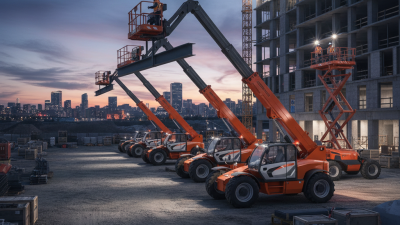
How to Choose the Right Tadano Crane for Your Construction Needs
Choosing the right crane for construction projects can significantly impact efficiency and safety on the job site. As experts in the field, we understand the wide array of options available, particularly the Tadano crane, renowned for its reliability and performance. John Smith, a seasoned project manager with over twenty years of experience in heavy equipment operations, emphasizes the importance of matching a crane’s specifications to the specific demands of each project. He once stated, "Selecting the correct Tadano crane is a crucial step in ensuring a seamless workflow and minimizing downtime."
In this guide, we will delve into the key considerations when selecting a Tadano crane for your construction needs. Whether your project requires lifting heavy materials or navigating complex job site conditions, understanding the unique features and capabilities of different Tadano models can help inform your decision. From load capacity and boom length to mobility and versatility, each element plays a vital role in ensuring that you choose a crane that not only meets your project requirements but also enhances overall productivity and safety.

Understanding the Different Types of Tadano Cranes Available
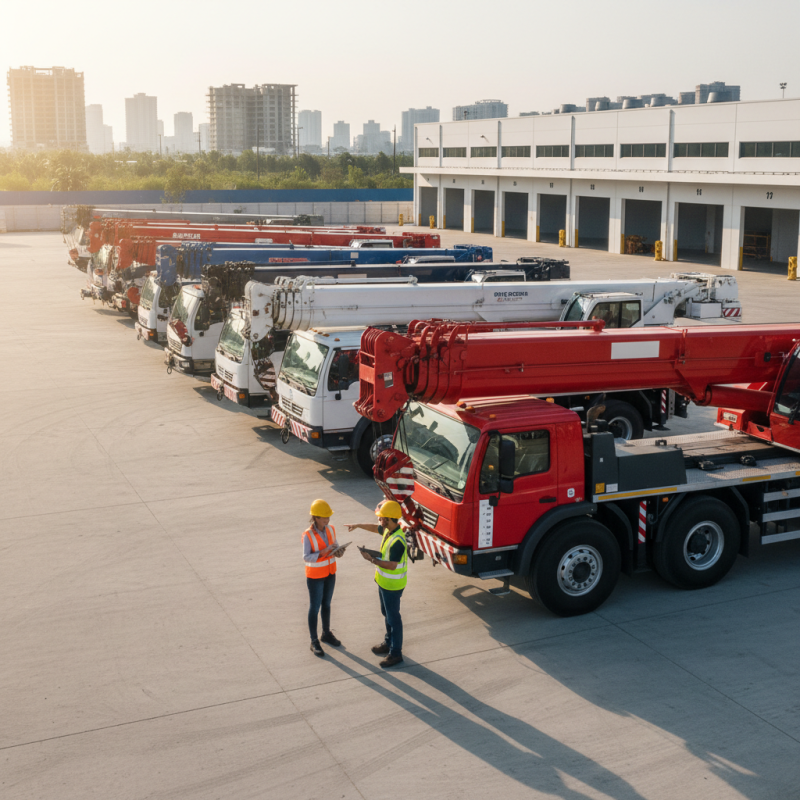
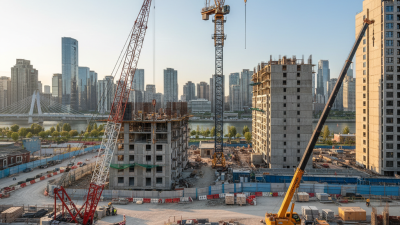
When choosing the right crane for your construction needs, it’s essential to understand the different types available. Cranes can generally be categorized into several types based on their design and functionality. Mobile cranes are highly versatile and can be easily relocated to different job sites, making them ideal for projects that require frequent movement. On the other hand, tower cranes are preferred for constructing tall buildings due to their height and stability, providing a significant lifting capacity at substantial reach.
Tips: When selecting a crane, consider the specific project requirements such as weight capacity, lift height, and worksite conditions. Assess the available space for the crane, as some types may require more room to operate than others.
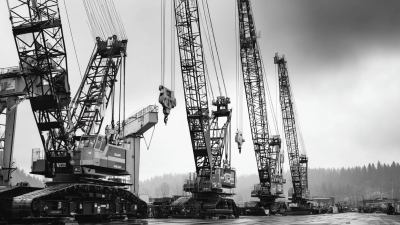
Additionally, crawler cranes are another option that excels on rough terrain, providing enhanced stability and mobility compared to wheeled cranes. Each type of crane has its unique advantages, so understanding your project goals and the operating environment is critical to making an informed choice.
Tips: Always consult with a professional or an experienced operator to determine the best crane type for specific tasks. It’s also beneficial to review the crane’s load chart to ensure it meets your project’s demands effectively.
Assessing Your Specific Construction Needs and Requirements
When choosing the right crane for your construction project, assessing your specific needs is crucial to ensuring optimal efficiency and safety. Begin by evaluating the type of materials and equipment you'll be lifting. For instance, heavy steel beams require a crane with a significant load capacity, while lighter materials might not. This assessment includes considering the weight, size, and structure of the items, as well as the lifting height required. Understanding these specifics will help narrow down your options and determine the best crane for your task.
Additionally, the construction site itself presents unique challenges that can influence your choice. Factors such as ground conditions, site layout, and access paths must be carefully analyzed. For instance, if the site has limited space, a compact crane may be necessary to maneuver effectively. Understanding the environmental conditions, including potential obstacles or varying weather conditions, is also essential. By combining an assessment of your materials with a careful analysis of the construction environment, you can ensure that you select a crane that meets both operational and safety requirements, leading to a successful project outcome.
How to Choose the Right Tadano Crane for Your Construction Needs
| Crane Type |
Max Capacity (tons) |
Max Lift Height (m) |
Boom Length (m) |
Best Applications |
| All Terrain Crane |
100 |
60 |
50 |
Construction Sites, Road Work |
| Rough Terrain Crane |
30 |
40 |
30 |
Off-Road Construction, Heavy Lifting |
| City Crane |
20 |
30 |
25 |
Urban Construction, Tight Spaces |
| Crawling Crane |
200 |
70 |
60 |
Heavy Industrial Projects, Oil and Gas |
| Tower Crane |
50 |
100 |
60 |
High-Rise Buildings, Large Construction Sites |
Evaluating Crane Specifications and Load Capacities
When selecting a Tadano crane for your construction needs, it's essential to thoroughly evaluate crane specifications and load capacities to ensure optimal performance and safety. Understanding the specific requirements of your project, such as lifting height, reach, and the type of materials being handled, will guide you in choosing the right crane model. Pay particular attention to the crane’s maximum load capacity, as this dictates the safe limits for lifting operations.
Tips: Always consult the crane's load chart, which provides detailed information on the crane’s capabilities at various boom angles and extension lengths. This helps in determining how much weight can safely be lifted in different configurations, ensuring that you do not exceed the crane’s limits during operations.
Additionally, consider the conditions of the job site when evaluating crane specifications. Factors such as ground stability, access points, and the presence of overhead obstructions can significantly impact the crane's performance. Choose a model that is not only suitable for the load but also adaptable to the specific environment in which it will operate.
Tips: If you're unsure about the required specifications, seek advice from crane operators or industry professionals who can provide insights based on similar projects. Their experience can help you make a more informed decision that aligns with your construction goals.
Considering Job Site Conditions and Accessibility
When selecting a crane for construction projects, understanding job site conditions and accessibility is crucial. The terrain type—whether it is flat, uneven, or has slopes—significantly impacts the choice of crane. For sites with limited space or challenging ground conditions, a compact crane with a smaller footprint might be more effective. It's essential to consider how the crane will be maneuvered and its ability to operate in confined areas, as well as its load capacity in relation to ground stability.
In addition, accessibility to the job site plays a vital role in the decision-making process. Evaluate the pathways and entry points for transporting the crane to the site and any potential obstacles that could impede movement. If the site has narrow roads or limited access points, a crane designed for agility and ease of transport can save time and reduce the risk of complications. Furthermore, local regulations and safety requirements may dictate certain limitations, making it necessary to choose a crane that can comply while still meeting the project’s operational needs. Thus, careful consideration of these factors ensures efficiency and safety throughout the construction process.
Budgeting for Purchasing or Renting a Tadano Crane
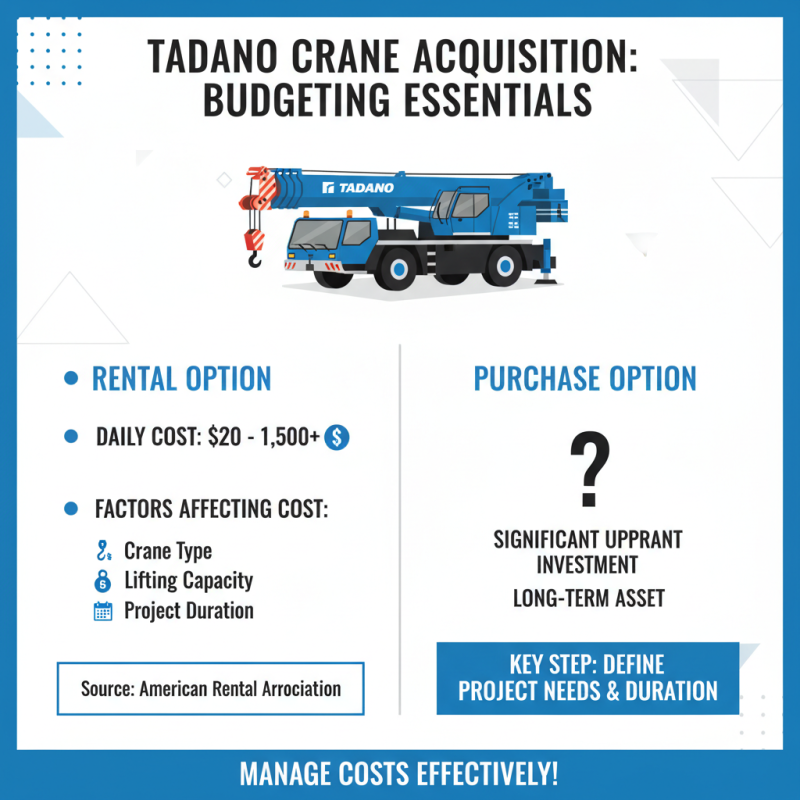
When considering the acquisition of a Tadano crane for construction projects, budgeting is a crucial step that dictates the entire process, whether you are opting to purchase or rent. According to a report by the American Rental Association, crane rental costs can range from $200 to $1,500 per day, significantly influenced by the type and capacity of the crane required. For instance, larger cranes with higher lifting capacities will naturally incur higher rental fees, which can add up quickly if projects extend beyond initial timelines. Therefore, understanding your project's specific needs and duration is essential to manage costs effectively.
On the other hand, if the decision leans towards purchasing a Tadano crane, the initial capital required can be substantial. Industry insights indicate that new cranes can cost anywhere from $100,000 to over $1 million, depending on models and specifications. Additionally, maintenance and ownership costs should also be factored into your budget, as these can account for 20% to 30% of total operating expenses annually. Thus, a thorough analysis that includes project demands, financial constraints, and long-term operational efficiency will ensure that the crane chosen fits well within the overall budget, providing value and functionality for your construction needs.