Why Choose a Spunbond Nonwoven Machine for Your Business?
In today’s competitive landscape, choosing the right equipment is crucial for business success. The Spunbond Nonwoven Machine stands out due to its versatility and efficiency. According to a recent report from Smith & Associates, the demand for nonwoven fabrics is expected to grow at a CAGR of 5.9% between 2023 and 2028. This highlights the increasing reliance on nonwoven technology across various industries.
Experts agree on the significance of this machinery. Dr. Emily Roberts, a renowned authority in the nonwoven industry, states, “Investing in a Spunbond Nonwoven Machine is key for businesses aiming to optimize production while maintaining quality.” This sentiment underlines the pressing need for manufacturers to adopt advanced processes to remain competitive.
However, the decision to invest is not without challenges. Initial costs can be daunting, and not all businesses are ready for a swift transition. Companies must critically evaluate their production needs and the long-term benefits of implementing a Spunbond Nonwoven Machine. Balancing immediate expenses against future gains is essential for sustainable growth in this evolving sector.
Benefits of Spunbond Nonwoven Technology for Modern Manufacturing
Spunbond nonwoven technology is transforming modern manufacturing. This method produces high-quality fabrics from continuous filaments. The global nonwoven fabric market was valued at $40 billion in 2022. Experts predict growth rates of over 6% annually through 2030. This technology brings many benefits to various industries, including textiles, hygiene, and medical supplies.
One prominent advantage of spunbond nonwoven is its cost-effectiveness. Manufacturing processes require less energy and produce less waste. The lightweight nature of spunbond nonwoven materials makes shipping cheaper. Furthermore, they are highly customizable and can cater to specific needs. Research shows that 70% of manufacturers prefer nonwoven materials for packaging due to durability and versatility.
However, the technology isn't without challenges. Quality control can sometimes be inconsistent. Issues may arise with bonding strength and water resistance. These need careful management. Engaging with certified suppliers can mitigate such risks. Investing in better spunbond machines might enhance product reliability. Balancing cost and quality remains a constant aim for manufacturers in this evolving landscape.
Key Features and Specifications of Spunbond Nonwoven Machines
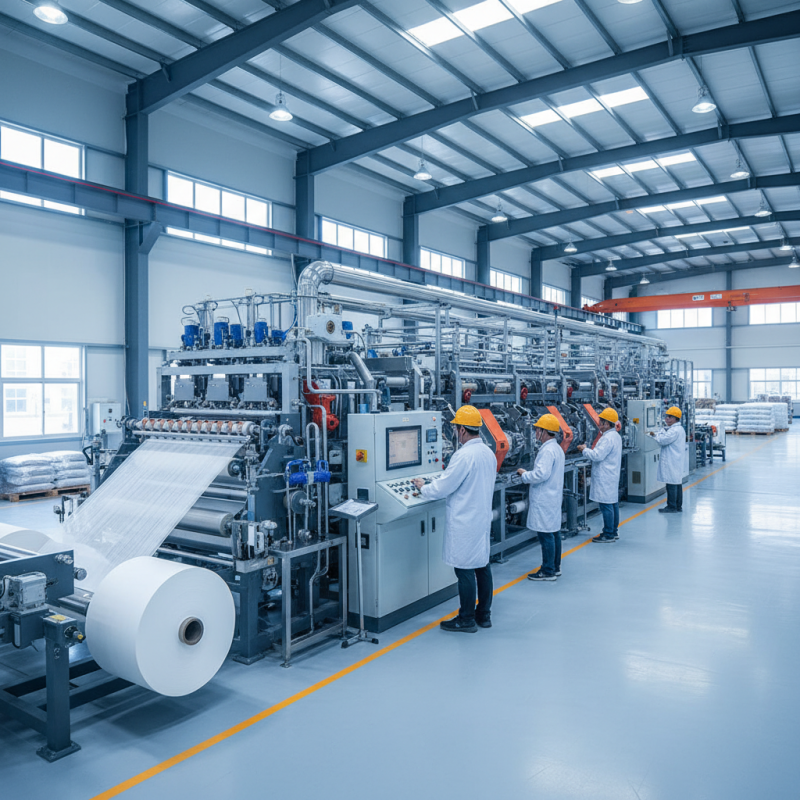
When considering a spunbond nonwoven machine for your business, key features matter. These machines are renowned for their durability and efficiency. A powerful extruder is essential, as it shapes the polymer into fine filaments. These filaments are then laid down on a conveyor belt, forming a web. This web can be bonded through various methods, creating a robust material. Flexible mode operation is another significant advantage. It allows for different product specifications without extensive downtime.
Tips: Pay attention to the machine's production speed. Faster machines can boost your output significantly. Also, consider the ease of maintenance. A user-friendly design can save time and reduce operational costs.
Beyond efficiency, quality assurance features are crucial. These can include monitoring systems that assess filament uniformity. A reliable machine will have adjustable settings for thickness and width. This versatility allows you to meet diverse customer demands. However, it's essential to remember that customization may require a skilled operator.
Tips: Regularly train your staff on machine operation. This practice ensures optimal performance and reduces errors. Also, review customer feedback to adjust your product specifications accordingly. Listening to the market can guide your business decisions effectively.
Cost-Effectiveness and Efficiency of Spunbond Production
Cost-effectiveness and efficiency are vital in today's competitive market. Investing in a spunbond nonwoven machine can greatly enhance your production capabilities. These machines are designed for high output, providing a quick return on investment. They convert polymer fibers into durable, lightweight nonwoven fabrics. This process can significantly reduce production costs over time.
Spunbond technology minimizes waste during manufacturing. Unlike traditional methods, it transforms raw materials into usable fabric directly. The operational efficiency allows for faster production cycles. However, setting up these machines can be complex, requiring skilled operators. Training staff to handle the technology is essential for optimizing performance.
Additionally, while the initial capital expenditure may seem high, the long-term savings on material costs are substantial. Regular maintenance is crucial for longevity and efficiency. Not all setups may achieve peak performance right away. Monitoring and adjustments may be needed after installation. Investing in a spunbond nonwoven machine could be a transformative move for your business.
Applications of Spunbond Nonwoven Fabrics Across Various Industries
Spunbond nonwoven fabrics are versatile materials with a wide range of applications across industries. In the medical field, they are crucial for producing surgical gowns and masks. According to a report by Smithers Pira, the global nonwoven fabric market is projected to reach $50 billion by 2025, driven largely by healthcare needs. The lightweight nature and barrier properties of spunbond fabrics make them ideal for protecting both patients and healthcare workers.
In the construction industry, spunbond nonwovens serve as moisture barriers and insulation layers. These fabrics help improve energy efficiency in buildings. The market for nonwoven fabrics in construction is growing steadily, with estimates showing a rise of approximately 5.8% annually. However, challenges remain in recycling and waste management of synthetic materials. This raises questions about sustainability practices within the industry.
Agriculture also benefits from spunbond nonwovens. They are used in crop protection, providing shade and preventing pest damage. Data from the Nonwovens Institute indicates that spunbond fabrics contribute significantly to crop yield improvements. Yet, stakeholders must consider soil health and environmental impact when using these materials. Balancing innovation with ecological responsibility is an ongoing challenge in adopting new technologies.
Applications of Spunbond Nonwoven Fabrics Across Various Industries
| Industry | Application | Key Benefits |
| Healthcare | Surgical gowns, masks, and bed linens | High barrier protection, breathability, and comfort |
| Construction | Geotextiles and house wraps | Moisture control, durability, and long life |
| Automotive | Interior linings and insulation | Lightweight, sound absorption, and thermal stability |
| Agriculture | Crop covers and mulch sheets | Weed control, temperature regulation, and moisture retention |
| Consumer Goods | Household wipes and reusable bags | Convenience, durability, and eco-friendliness |
Future Trends in Spunbond Nonwoven Machine Innovations
The future of spunbond nonwoven machines is promising, driven by innovation and sustainability. Many manufacturers are focusing on developing machines that are energy-efficient and use less raw material. This shift is vital as environmental concerns grow. The new generation of machines not only enhances production rates but also ensures high-quality outputs.
One notable trend is the integration of smart technology. Manufacturers are exploring automation and IoT capabilities to monitor processes in real-time. These advancements can reduce waste and improve efficiency. However, the challenge lies in balancing complexity with usability. Some operators may find it difficult to adapt to high-tech systems.
Sustainability remains a key focus. Machines that utilize recycled materials are gaining traction. This approach can reduce costs and environmental impact. But not all businesses are ready to embrace such changes. Legacy systems might hinder progress, requiring time and resources for upgrades. Adopting these innovations demands careful planning and investment. Businesses must weigh the benefits against potential disruptions.