2025 How to Choose the Best City Crane for Your Construction Needs
When embarking on a construction project, selecting the appropriate machinery is crucial for efficiency and safety. One key piece of equipment that stands out in urban construction is the city crane. City cranes are specifically designed to navigate the complexities of urban environments, where space is limited and accessibility can be a challenge. This introductory guide delves into the various types of city cranes available, highlighting their unique features, capabilities, and applications.
In the fast-paced world of urban construction, understanding the specific needs of a project is vital in determining which city crane is best suited for the job. Factors such as load capacity, height reach, mobility, and the nature of the construction work all play a significant role in the decision-making process. Whether it's for high-rise building projects, bridge construction, or other urban infrastructure endeavors, choosing the right city crane can streamline operations and enhance safety on site.
As we explore the different categories of city cranes and their specifications, this article aims to equip construction professionals with the essential knowledge needed to make informed choices. By aligning the selection of city cranes with project demands, contractors can optimize their workflows and achieve successful project outcomes in bustling urban landscapes.
Understanding the Types of City Cranes Available for Construction Projects
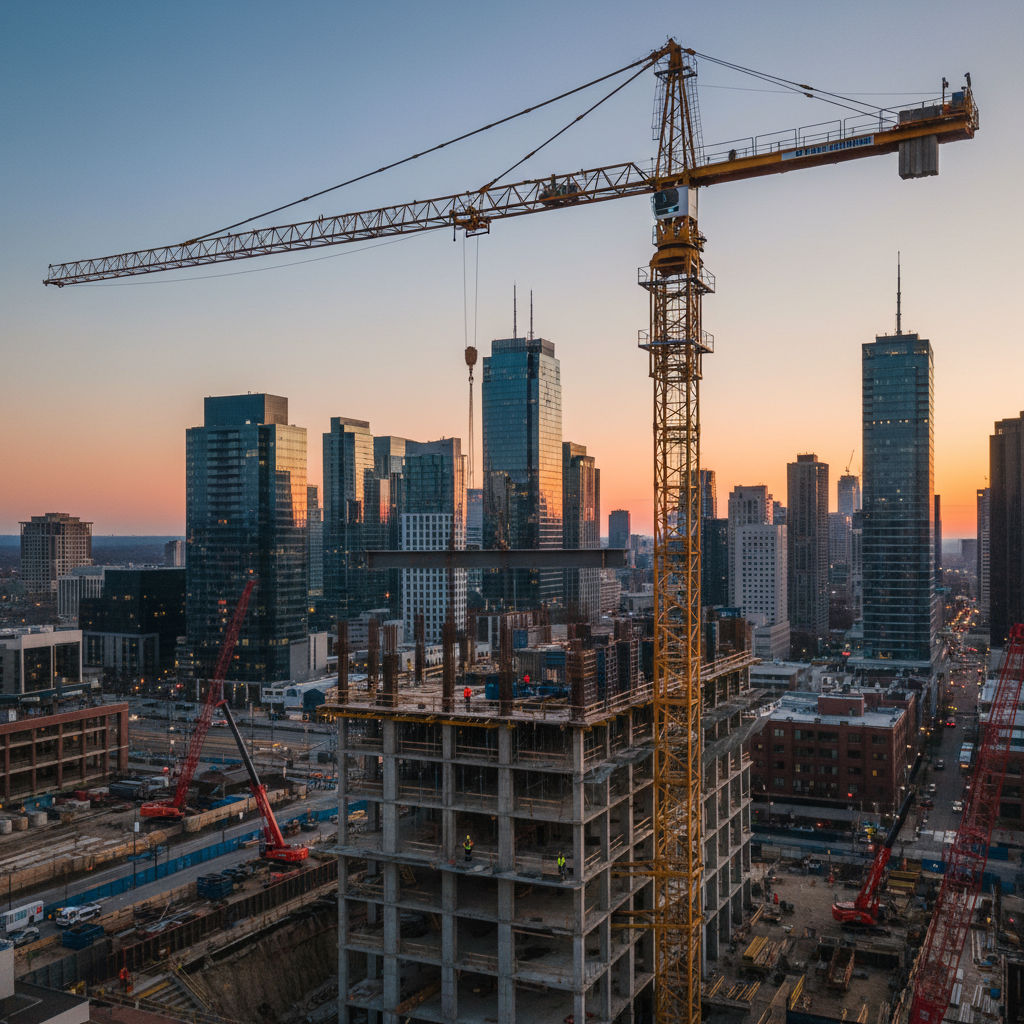
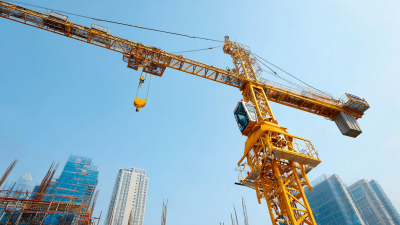
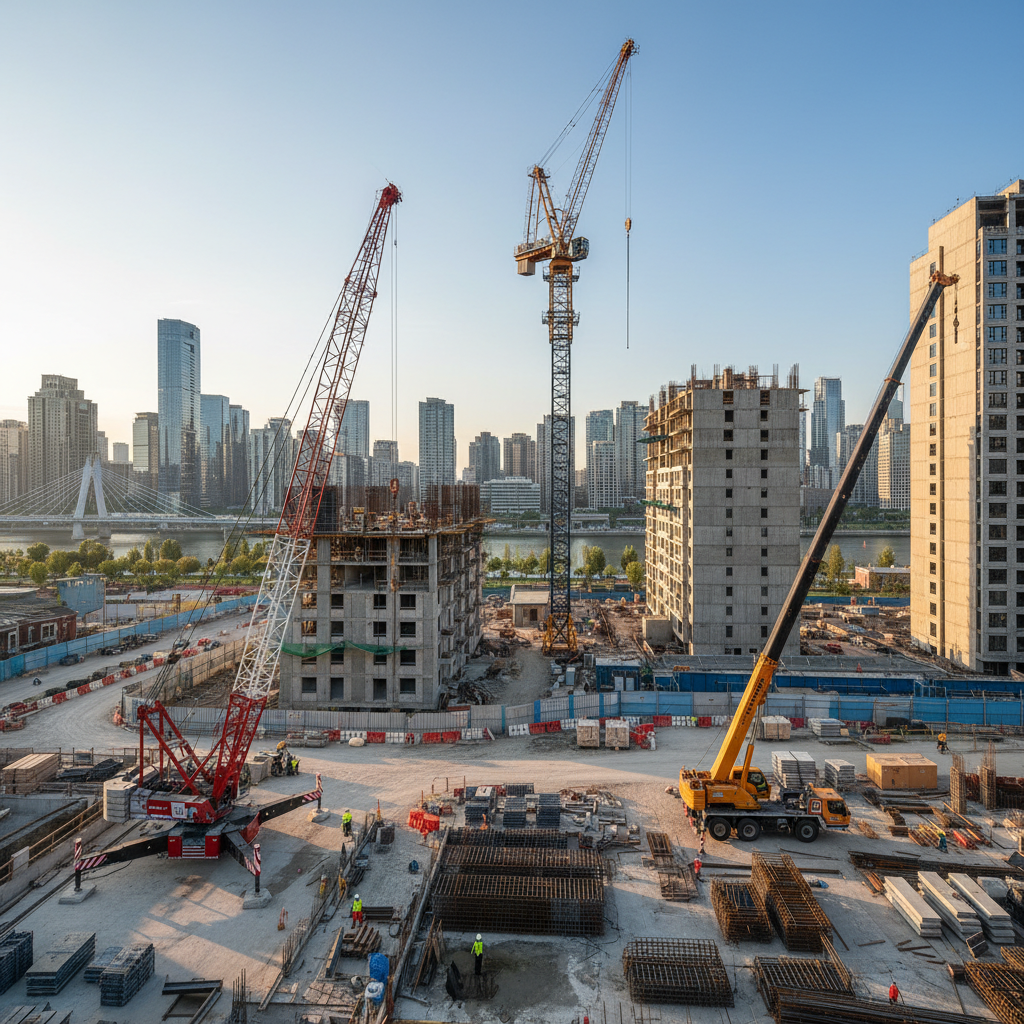
When selecting a city crane for your construction needs, understanding the various types available is essential. City cranes come in different classifications, including mobile cranes, tower cranes, and crawler cranes, each designed for specific tasks and environments. Mobile cranes are versatile and can be easily transported to different sites, while tower cranes offer great height and lifting capacity for high-rise buildings. Crawler cranes, on the other hand, are equipped with tracks, allowing them to work in challenging terrains without compromising stability.
**Tips for Choosing the Right Crane:**
1. **Assess the Project Requirements:** Determine the height, weight, and reach of the loads you will be handling to choose the crane that meets those specifications.
2. **Consider Site Conditions:** Analyze the ground conditions and space limitations of your construction site. Choose a crane that can navigate these challenges effectively.
3. **Evaluate Rental Options:** With the tower crane rental market on the rise, evaluate rental agreements that offer flexibility and cost-effectiveness based on your project timeline.
By acknowledging these factors, you can ensure that you select the most suitable crane for your upcoming construction projects, enhancing efficiency and safety on-site.
Evaluating Load Capacity and Height Limitations for Your Specific Needs
When selecting the best city crane for your construction needs, evaluating load capacity and height limitations is paramount. According to a report by the American Society of Civil Engineers (ASCE), cranes are classified by their lifting capacity, which can range from 2 tons for smaller models to over 200 tons for heavy-duty machines. For urban projects where space is at a premium, opting for a crane with a higher load capacity allows for increased efficiency, eliminating the need for multiple lifts and streamlining project timelines.
Height limitations are another critical factor to consider. Many urban environments impose strict regulations on building heights, which in turn affects crane specifications. A study from the Occupational Safety and Health Administration (OSHA) indicates that cranes need to be able to reach at least 10-15 feet above the highest point of the structure being erected. It is essential to match the crane’s maximum height with the project’s requirements while ensuring safety compliance measures are met. Investing in a crane that precisely meets both load capacity and height criteria can significantly enhance operational effectiveness in congested cityscapes.
Assessing Mobility and Accessibility Features in Urban Environments
When choosing a city crane for construction needs, assessing mobility and accessibility features is crucial, especially in urban environments where space is often limited. Mobility ensures that the crane can navigate through narrow streets, congested areas, and various terrains without causing significant disruptions. For instance, cranes with advanced steering capabilities and compact designs can maneuver around obstacles more effectively, allowing for efficient delivery and setup. This is particularly important in cities where road regulations and traffic can pose challenges.
Accessibility is another important factor in the selection process. A crane that can easily access the construction site without requiring extensive detours or additional equipment can save both time and resources. Features such as adjustable outriggers, automatic leveling systems, and the ability to operate in different types of environments—ranging from residential areas to bustling commercial districts—can greatly enhance a crane's versatility. By prioritizing mobility and accessibility, construction firms can optimize operations, facilitate smoother projects, and ultimately achieve greater productivity in urban settings.
2025 City Crane Mobility and Accessibility Features
This chart illustrates the assessment of various mobility and accessibility features in different urban environments for selecting the best city crane for construction needs in 2025.
Comparing Cost-Effectiveness and Rental Options for City Cranes
When selecting the best city crane for construction needs in 2025, understanding cost-effectiveness and rental options is crucial. City cranes come with various specifications, and evaluating their operational efficiency in relation to their rental and operating costs can lead to significant savings. For instance, cranes that offer extended reach or lift capacity may have higher initial rental fees, but their ability to complete tasks efficiently can offset costs by reducing project timelines and labor expenses.
In addition to direct costs, consider the rental flexibility offered by different service providers. Some companies provide rental plans that include maintenance and support, which can alleviate overtime charges associated with repairs or breakdowns. Thoroughly investigate and compare different rental options to find terms that suit your project requirements and budget. Ultimately, the right balance between rental costs and operational capabilities will help ensure that the chosen crane aligns well with the demands of the construction project, fostering efficiency and economic viability.
Choosing the Right City Crane Based on Project Size and Timeline
When selecting the best city crane for construction projects, understanding the scope of the project and its timeline is paramount. For larger projects, such as high-rise buildings or extensive infrastructure works, a robust tower crane might be the most suitable choice due to its impressive lifting capacity and height. Tower cranes can operate for extended periods, making them efficient for long-term projects where weight and reach are essential.
On the other hand, for smaller-scale projects or those with tight time constraints, mobile cranes, particularly truck-mounted versions, provide flexibility and quick setup. These cranes can easily navigate urban environments and are ideal for projects requiring swift completion without the need for extensive groundwork. As the construction sector evolves, understanding the nuances of project size and timelines will be critical in choosing the right crane to optimize productivity and ensure project success.
2025 How to Choose the Best City Crane for Your Construction Needs
| Project Type |
Recommended Crane Type |
Maximum Load Capacity (ton) |
Lift Height (meters) |
Typical Project Duration (weeks) |
| Commercial Building |
Tower Crane |
20 |
50 |
24 |
| Residential Complex |
Mobile Crane |
15 |
40 |
16 |
| Industrial Project |
Rough Terrain Crane |
30 |
60 |
12 |
| Infrastructure Work |
Crawler Crane |
40 |
70 |
30 |
| Road Construction |
Truck-Mounted Crane |
10 |
30 |
8 |