How to Choose the Best Valve Lockout Chain for Your Needs?
When it comes to safety in industrial settings, a reliable Valve Lockout Chain is essential. This critical tool helps prevent accidental valve operation, ensuring a secure work environment. Yet, choosing the right valve lockout chain can be challenging. Various factors come into play, including chain material, length, and visibility.
Understanding your specific needs is crucial. For example, certain environments may require more durable materials to withstand harsh conditions. Additionally, different settings may dictate the visibility required for effective safety measures. A bright color chain might be essential in a dimly lit area, while a simpler option could suffice in a well-lit environment.
Careful consideration of these factors can lead to better choices. However, it's easy to overlook specific details, which may result in inadequate safety solutions. A hasty decision can compromise worker safety. Taking the time to reflect on your unique requirements for a valve lockout chain can enhance workplace protection and ensure compliance with safety regulations.
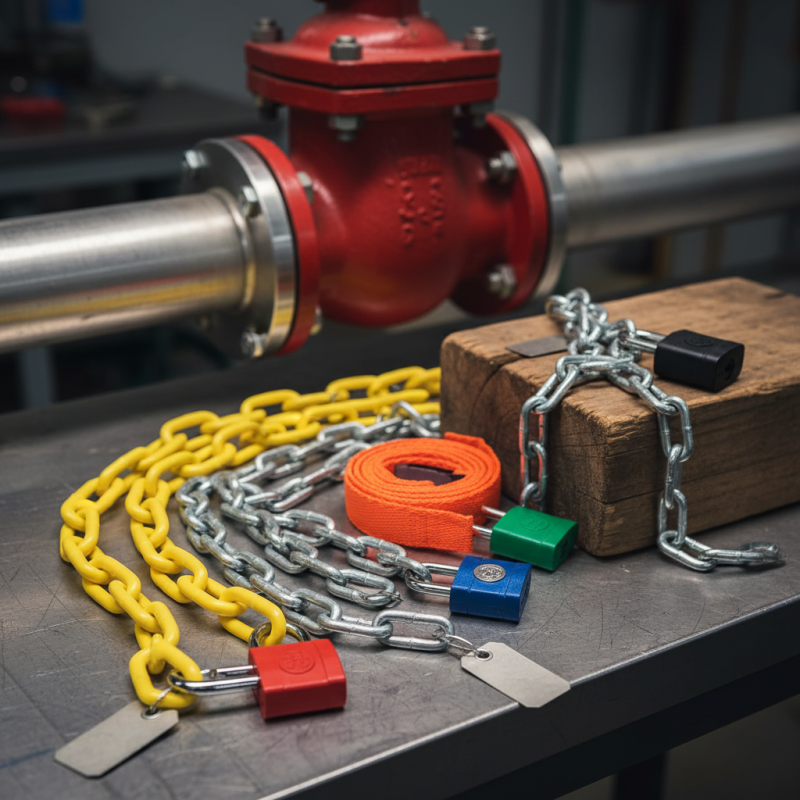
Understanding Valve Lockout Chains: Types and Their Applications
When selecting a valve lockout chain, understanding its types and applications is crucial. There are several categories, including steel, plastic, and aluminum chains. Steel chains offer strength, making them suitable for heavy machinery. Plastic chains are lighter and often used in less demanding environments. According to industry reports, 70% of workplace accidents can be prevented with proper lockout/tagout procedures. Understanding each type helps in making informed choices.
Tips: Choose the right material based on your specific environment. For corrosive areas, plastic may be more beneficial. Always ensure that the chain is compatible with your valve sizes. Using the wrong chain can lead to inadequate locking and increase safety risks.
Consider the application as well. Chains need to withstand environmental factors such as temperature and humidity. A study highlighted that 25% of accidents occur due to improper equipment use. Paying attention to these factors will enhance safety and reliability. It’s critical to review any chain’s specifications before purchasing. Balancing durability and flexibility is key. Errors in choosing can lead to costly mistakes and compromised safety.
Key Factors to Consider When Selecting Valve Lockout Chains
Choosing the right valve lockout chain can significantly enhance workplace safety. Many factors can affect your decision. Consider the material of the chain. Stronger materials offer better durability and resistance to wear. Look for options that are weather-resistant if used outdoors.
The length of the chain matters too. A longer chain provides flexibility for various valve sizes and arrangements. However, too much length can lead to tangling or difficulty in securing it properly. Ensure that the size matches your operational needs.
Reflect on the color coding or marking system. Clear visibility helps quickly identify lockout chains in a noisy environment. It's crucial for reducing accidental equipment operation. Lastly, take note of the locking mechanisms. They should be easy to use but secure enough to prevent unauthorized access. Keep these factors in mind as you make your choice.
Material Durability and Safety Ratings of Valve Lockout Chains
When selecting a valve lockout chain, material durability is crucial. Chains must withstand harsh environments. Many are made from stainless steel or high-strength plastic. Stainless steel offers corrosion resistance. It's a solid choice for outdoor use. However, plastic may be lighter and more flexible. The choice often depends on specific operational conditions.
Safety ratings play a significant role in decision-making. Look for certifications that prove reliability and strength. Some chains can endure extreme temperatures. Others are designed to resist wear and tear. Testing standards help users gauge safety features. A chain that does not meet required standards can lead to failures. Always verify the ratings before purchase.
Reflecting on personal experiences is vital. Sometimes, the most durable chains may not be the most effective. A chain that is tough can be cumbersome. Finding a balance between weight and strength may take time. User feedback can be valuable. Engaging with other professionals can reveal insights. Their first-hand experiences can provide a different perspective on safety and durability.
Compatibility with Different Valves and Lockout Devices
When selecting a valve lockout chain, compatibility is crucial. Different valves have unique designs, sizes, and mechanisms. A chain that works perfectly with one type of valve may not fit another. For instance, ball valves, gate valves, and butterfly valves all require different approaches for lockout. Understanding these differences ensures safety during maintenance.
Before purchasing a lockout chain, evaluate your existing devices. Make sure the chain can interact seamlessly with your current lockout equipment. Measure the diameter and style of your valves. Some chains are adjustable, but many are not. It’s vital to find a balance between versatility and specificity. Using a mismatched chain can lead to safety risks.
Investing time into researching compatibility will pay off. A well-fitted chain enhances reliability in lockout procedures. However, don’t overlook the need to review your selection regularly. As your setup evolves, so should your equipment. Reassessing your chain periodically can prevent future mishaps. Consider developing a checklist to evaluate your needs and usage patterns.
How to Choose the Best Valve Lockout Chain for Your Needs?
This chart illustrates the compatibility of different types of valve lockout chains with various common valve types and lockout devices. The data is based on evaluations of lockout chain performance and usage across industry sectors.
Maintenance Tips for Ensuring Longevity of Lockout Chains
Maintaining valve lockout chains is essential for their longevity and effective use. Regular inspection is crucial. Check for wear, rust, or damage. Address issues immediately to ensure safety. A small problem can escalate, leading to failure when you need it most. Always keep your chains clean. Residue can cause them to malfunction.
Proper storage is another aspect to consider. Store chains in a dry, cool place away from harsh chemicals. This prevents corrosion. Use a protective coating if necessary. However, applying it incorrectly can hinder functionality. Regularly review your storage practices. Adjust as needed to enhance the chain's life span.
Training employees on the correct handling of these chains is vital. Misuse can lead to damage or, worse, accidents. Create a checklist for staff to follow. This ensures everyone knows how to use the lockout devices properly. Reflect on your current training methods to improve them. Continuous education is key to safety and efficiency in your organization.