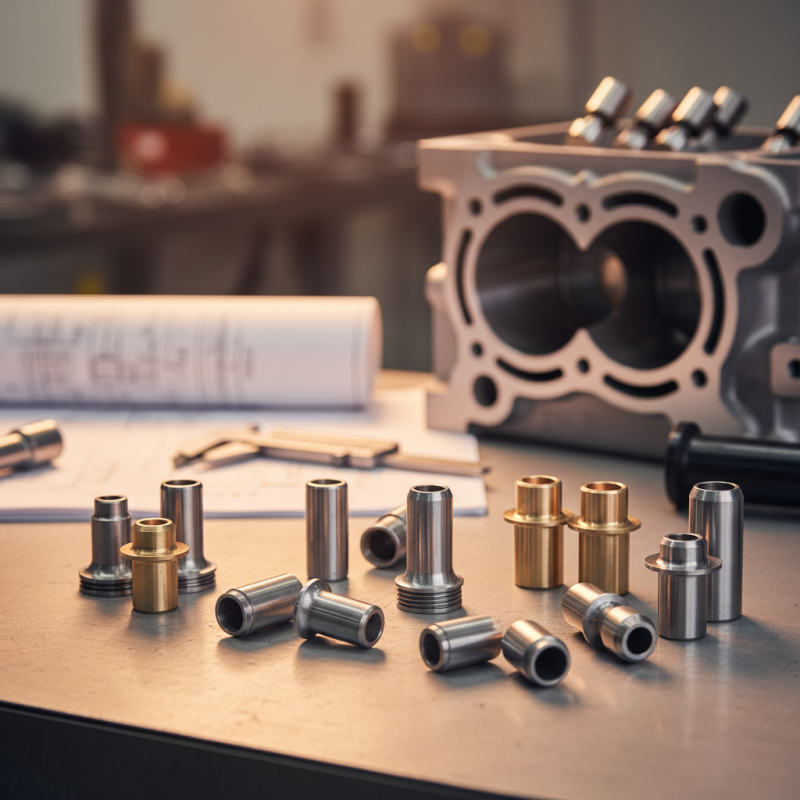
How to Choose Customized Valve Guides for Your Engine?
Choosing the right valve guides for your engine is crucial. A well-fitted valve guide ensures optimal engine performance and longevity. However, this task can be daunting. Valve Guide Customized options are available, but not all are created equal.
Careful selection of valve guides is essential. Quality materials and proper specifications matter. If you choose subpar guides, it can lead to serious engine issues. Think of the endurance of your engine being dependent on these small components. But many overlook their importance.
Customization is key. You want guides that fit your engine’s specifications perfectly. Not every engine requires the same type of valve guide. Researching and understanding your engine’s needs can prevent costly mistakes. Reflect on previous experiences where you might have rushed into decisions. Taking the time to choose wisely pays off in the long run.
Understanding the Role of Valve Guides in Engine Performance
Valve guides play a critical role in engine performance. They ensure valves open and close correctly. A well-fitted valve guide improves timing and reduces friction. This contributes to better overall engine efficiency. According to recent industry analysis, nearly 75% of engine failures stem from valve-related issues. Properly chosen guides can mitigate these problems.
In selecting customized valve guides, material choice is key. Common materials include bronze and steel. Each has unique properties affecting wear resistance and thermal conductivity. A study noted that engines with bronze guides perform better under high temperatures. Yet, steel guides offer better longevity in some applications. Many overlook the importance of precise measurements. A slight misalignment can lead to severe engine damage.
Balancing weight and strength is also essential. Overly heavy guides can strain the valve train. This may cause premature wear. Conversely, guides that are too light may not withstand high RPMs. Adjustments may be necessary based on specific engine configurations. These nuances are often underestimated in engine building. The right valve guide can enhance performance, but choosing incorrectly can lead to costly mistakes.
Factors to Consider When Selecting Customized Valve Guides
When selecting customized valve guides for your engine, consider several key factors. Material is crucial. Common choices include bronze or steel. Each material has strengths and weaknesses. Bronze offers good wear resistance, while steel provides durability. The engine's operating conditions can influence your choice. High-performance engines may need different materials compared to regular ones.
The size and dimensions of the valve guides are equally important. They must fit the specific engine model precisely. An incorrect size can lead to major performance issues. Think about the valve seat area too. It can impact the engine's efficiency. Some people overlook this detail, but it is vital for optimizing airflow.
Also, think about heat dissipation. A good valve guide should manage heat effectively. Some guides may not perform well under extreme temperatures. This could lead to engine failure. It's worth consulting experts or conducting tests to find the right fit. Customized components can provide better results, but never rush this decision. Each engine is unique, and assumptions can lead to mistakes. Always analyze your situation fully before deciding.
Materials Used in Manufacturing Valve Guides
When selecting customized valve guides, material choice plays a crucial role. Often, these guides are made from bronze, steel, or aluminum. Each material has unique properties that affect performance. Bronze offers good wear resistance. It also provides excellent thermal conductivity. However, it can be more expensive.
Steel is another common material choice. It’s durable and can withstand high stress. But it may suffer from corrosion over time. Aluminum is lightweight and can improve overall engine performance. Yet, it may lack the strength for high-performance engines.
Manufacturers often focus on specific needs. Choosing the right material helps ensure longevity. There are trade-offs to consider. Sometimes, what seems ideal may not deliver expected results. Testing different materials might reveal surprises. Keep in mind that sometimes a less popular option may be the best fit.
How to Measure for the Perfect Valve Guide Fit
Measuring for the perfect valve guide fit is crucial for engine performance. A valve guide that fits poorly can lead to various issues, including misalignment and premature wear. According to industry reports, improper valve guide fitting can reduce engine efficiency by up to 15%. This stat underscores the importance of accurate measurements.
To start measuring, use a caliper to determine the diameter of the valve stem. Take multiple readings to ensure consistency. A difference of even a few thousandths of an inch can affect performance. It's also vital to check the valve guide's bore diameter. An acceptable tolerance is generally within 0.001 to 0.002 inches. Measurements can be tricky; be sure to account for any wear in the existing guides.
Focusing on length is just as important. The length of your valve guide affects overall stability. A guide that is too short will not provide sufficient support, leading to excess play. This can impact timing and lift. Review the specifications for your specific engine type to find the ideal length. Remember, small errors in measurements can lead to significant problems down the road.
Common Issues with Valve Guides and How to Avoid Them
Valve guides play a crucial role in engine performance. However, they can face several issues that may affect their efficiency. One common problem is excessive wear. This often leads to poor valve sealing. Consequently, the engine may suffer from a loss of power. Regular inspections can help catch this issue early.
Another issue is misalignment. Misaligned valve guides can cause uneven wear and shifting. This sometimes leads to increased noise and irregular engine operation. To avoid this, precise measurements during installation are essential. Maintaining proper lubrication also helps mitigate friction.
Finally, corrosion can be a silent enemy. It develops when moisture enters the engine. Careful attention to the engine's environment can prevent this. Regular maintenance checks are invaluable. By being proactive, you can enhance the lifespan of your valve guides.