How to Choose the Right Boom Truck Crane Rental for Your Project Needs
When embarking on a construction or logistics project, the selection of the right boom truck crane rental is pivotal to ensure efficiency and safety at the job site. According to recent industry reports, the global crane rental market is projected to reach $49 billion by 2026, driven by increasing infrastructure development and a growing focus on upgrading existing facilities. The convenience of boom truck cranes—known for their versatility and ease of mobility—makes them a popular choice among contractors and project managers, especially for jobs requiring heavy lifting in confined spaces.
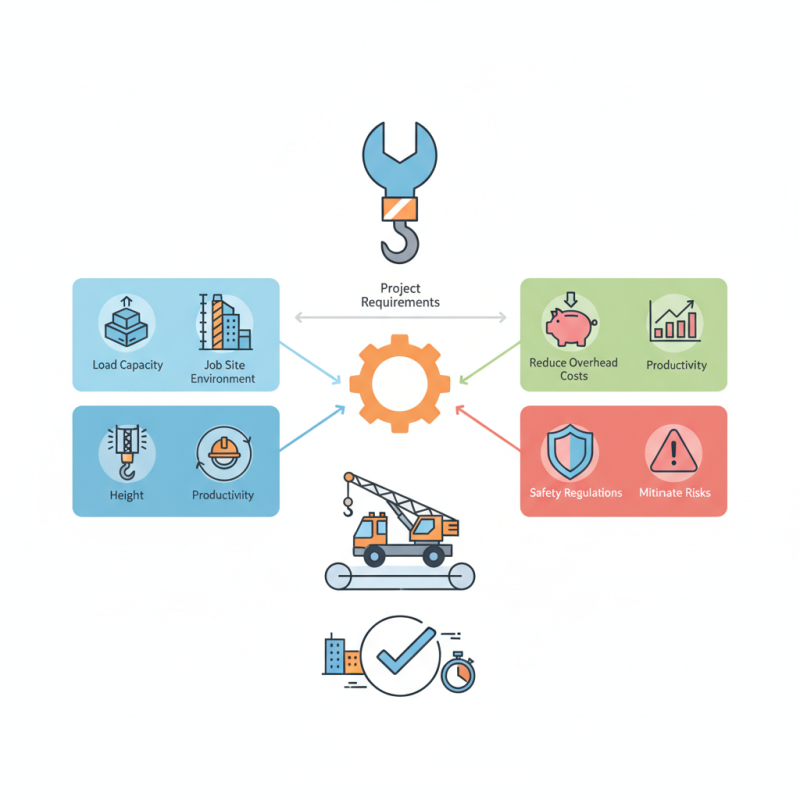
Understanding the specific requirements of your project is essential when evaluating boom truck crane rentals. Factors such as load capacity, height reach, and the environment of the job site play crucial roles in determining the most suitable equipment. Industry studies suggest that selecting the right crane for the task can reduce overhead costs by up to 30%, highlighting the importance of informed decision-making in rental choices. As you navigate the various options available in the marketplace, keeping safety regulations and operational capabilities in mind will further enhance productivity and mitigate risks associated with lifting operations. Ultimately, making an informed choice about boom truck crane rental can significantly influence the success of your project.
Understanding Boom Truck Cranes and Their Applications
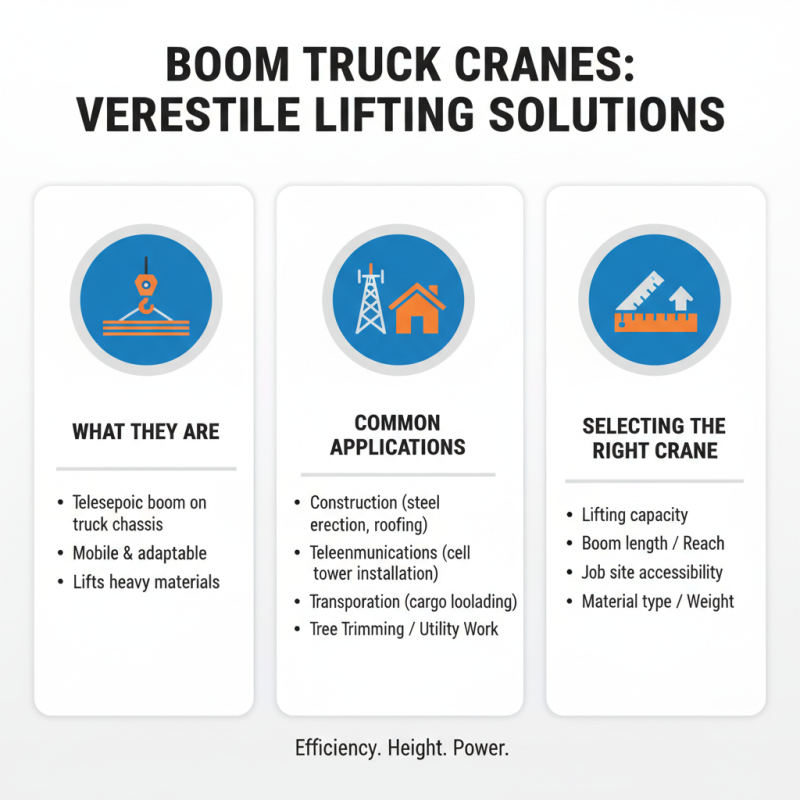
Boom truck cranes are versatile lifting machines with a telescopic arm (or boom) mounted on a truck chassis. They are used extensively in various industries, such as construction, telecommunications, and transportation, to lift heavy materials and equipment efficiently. Understanding the applications of boom truck cranes is crucial for selecting the right unit for your project. For instance, if your project requires hoisting materials to considerable heights, a boom truck crane with a longer reach will be necessary.
When choosing a boom truck crane for your project, consider the specific tasks it will perform. Will you need it for lifting heavy loads over obstacles? If so, the crane's specifications, including weight capacity and boom length, should align with your project requirements. Additionally, evaluate the terrain where the crane will operate; rough or uneven ground may necessitate a crane with superior stability features.
**Tips:** Always verify the crane's safety features and load limit to prevent accidents during operation. Also, consult with a rental expert to ensure that the chosen crane meets all the necessary industry standards and regulations. Lastly, consider the experience level of your operators; proper training can significantly enhance safety and efficiency on the job site.
Evaluating Project Requirements for Boom Truck Crane Rentals
When evaluating project requirements for boom truck crane rentals, it’s crucial to start by understanding the specific tasks your project entails. Consider the materials you’ll be lifting, their weight, and dimensions, as these factors will significantly influence the type of crane you need. It's also essential to assess the working environment, including available space and height restrictions. A thorough assessment of these aspects will guide you towards selecting the appropriate equipment that can handle your project efficiently.
**Tips:** Before finalizing your rental decision, consult with your team about the job site conditions such as terrain and accessibility. Ensure that your chosen boom truck crane has the appropriate features, like extended reach or lifting capacity, to meet your project’s demands. Additionally, always factor in the required safety regulations and operator qualifications, as compliance is key to maintaining a secure work environment.
Lastly, budget considerations should not be overlooked when selecting a boom truck crane rental. While it may be tempting to go for the lowest price, it’s important to balance cost with quality and reliability. Investing in a well-maintained crane may save you money in the long run by reducing downtime and maintenance issues during your project.
Key Factors to Consider When Choosing a Boom Truck Crane
When selecting a boom truck crane rental, several key factors must be considered to ensure it meets the specific needs of your project. First, understanding the load capacity is vital. Boom trucks typically range from 10 tons to over 50 tons, and it is essential to match the crane’s capacity with the anticipated load. According to a report by the American Rental Association (ARA), improper load calculations can lead to 30% of crane accidents. Therefore, performing accurate assessments of the weights and dimensions of the materials to be lifted is crucial.
Another critical factor is the boom length and height. The boom's extendable reach should correspond to the height and distance of the job site tasks. A study from the National Commission for the Certification of Crane Operators (NCCCO) highlights that inadequate reach often results in inefficient operations and potential hazards. Moreover, examining the terrain where the boom truck will operate ensures that the selection aligns with operational requirements, as uneven ground can lead to stability issues. Assessing features such as outriggers and overall crane stability ratings can significantly enhance safety and performance on site.
Boom Truck Crane Rental Options Comparison
This chart compares different boom truck crane rental options based on key factors such as capacity, maximum height, reach, and operating cost. This information can help you choose the right boom truck crane that best fits your project needs.
Comparing Rental Options and Pricing for Boom Truck Cranes
When considering the rental options for boom truck cranes, it's essential to evaluate your project's specific needs and budget. One of the first steps in this process is to compare the different types of boom truck cranes available. Look for options that provide the right lifting capacity, reach, and features necessary for your task. Understanding whether you need a telescoping or articulating crane can also help narrow down your choices, as each type has its unique advantages depending on the work environment and load requirements.
Pricing is another critical factor in your decision-making process. Crane rental costs can vary significantly based on factors such as the type of crane, rental duration, and the supplier. It's advisable to gather quotes from multiple rental companies to compare their offerings. Additionally, consider any extra fees that may apply, such as transportation or operator charges. Being aware of the total cost upfront will aid in budgeting and prevent unexpected expenses.
Tips: Always ensure that the rental company provides well-maintained equipment and the necessary certifications. Inspect the crane thoroughly before the rental period begins to confirm its operational status. Moreover, don't hesitate to ask for recommendations from colleagues or industry professionals who may have experience in renting boom truck cranes. This could lead you to reliable rental options that best fit your project needs.
Safety and Compliance Considerations in Crane Operations
When it comes to renting a boom truck crane for your project, understanding safety and compliance considerations is crucial. According to the Occupational Safety and Health Administration (OSHA), cranes are involved in about 22 fatal accidents in the construction industry each year, accounting for a significant percentage of workplace fatalities. Therefore, ensuring that your rental service adheres to OSHA regulations and guidelines is not just a matter of compliance but is vital for protecting the workforce and minimizing potential accidents.
Another important factor in crane operation safety is operator certification and training. The National Commission for the Certification of Crane Operators (NCCCO) states that properly trained operators are 80% less likely to be involved in accidents. It is essential to verify that the operators provided by the rental service possess valid certifications and have undergone rigorous training in the specific crane being used. Moreover, equipment maintenance records should be reviewed to ensure that the boom truck crane is in optimal working condition and compliant with industry standards. By prioritizing safety and adherence to compliance protocols, project managers can significantly reduce risks associated with boom truck crane operations.
How to Choose the Right Boom Truck Crane Rental for Your Project Needs - Safety and Compliance Considerations in Crane Operations
| Project Type |
Crane Capacity (Tons) |
Crane Height (Feet) |
Distance Reach (Feet) |
Safety Compliance Standard |
| Construction |
20 |
50 |
30 |
OSHA |
| Residential Remodeling |
15 |
40 |
25 |
ANSI |
| Industrial Maintenance |
25 |
60 |
35 |
ISO 9001 |
| Event Setup |
10 |
30 |
20 |
CSHA |