2026 How to Choose the Right Construction Cranes for Your Project?
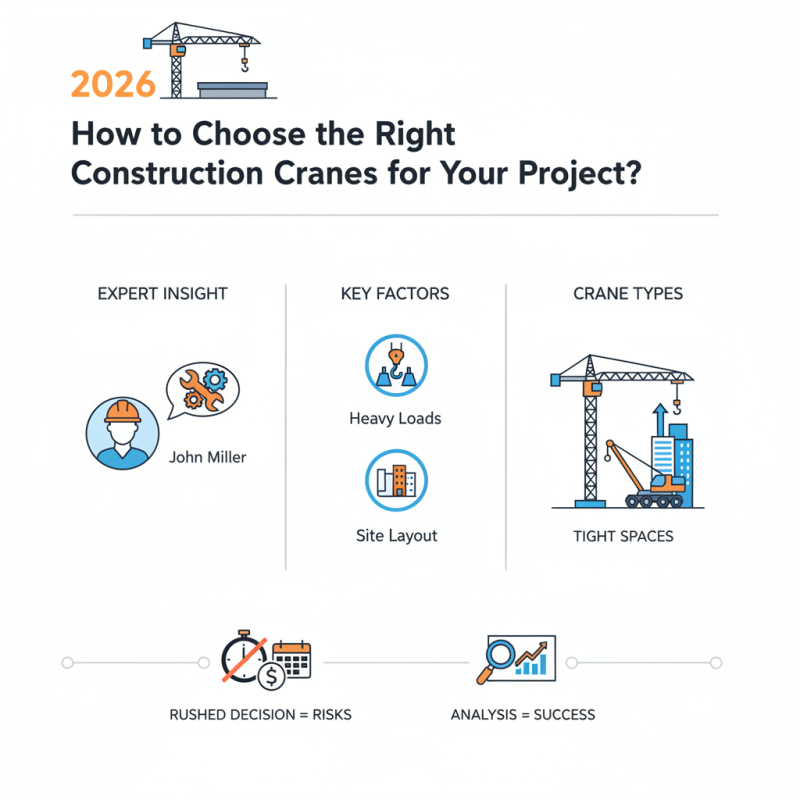
Choosing the right construction cranes for a project is crucial. Experts like John Miller, a renowned crane specialist, emphasize, "Selecting the correct crane can make or break a project." The impact of this decision extends beyond just efficiency. It affects safety, cost, and timelines.
Understanding the specifics of your project is essential. Heavy loads, site layout, and lift height all influence crane selection. Different cranes serve varied purposes. For instance, tower cranes excel in high-rise construction, while mobile cranes offer flexibility in tight spaces.
Rushing into a decision may lead to mistakes. Inadequate assessments can strain budgets and extend deadlines. Every project has unique challenges. Reflecting on these elements can guide you in choosing the ideal construction cranes. Taking the time to analyze your needs will pay off in the long run.
Factors to Consider When Selecting Construction Cranes
Selecting the right construction crane for your project is critical. There are several key factors to consider. First, assess the crane’s load capacity. It should match your project's needs. A crane that can’t lift the required weight can lead to delays. Check the site’s height limitations too.
Another essential factor is the crane's mobility. Will it be stationary or need to move around? If your site is congested, a compact crane may be necessary. However, a larger crane might be beneficial on a more open site.
Tip: Always inspect the boom length. It directly influences how high and far the crane can reach. A crane with insufficient boom length will not be effective in tight spaces.
Finally, consider the environmental conditions. Heavy winds or rain can disrupt operations. Some cranes perform better in adverse weather. Reflect on the weather patterns in your area before selecting. Being unprepared can result in project delays.
Factors to Consider When Selecting Construction Cranes
This bar chart illustrates the key factors that construction project managers consider when selecting cranes for their projects. Each factor is represented against its importance rating, providing insight into decision-making priorities.
Types of Construction Cranes and Their Specific Applications
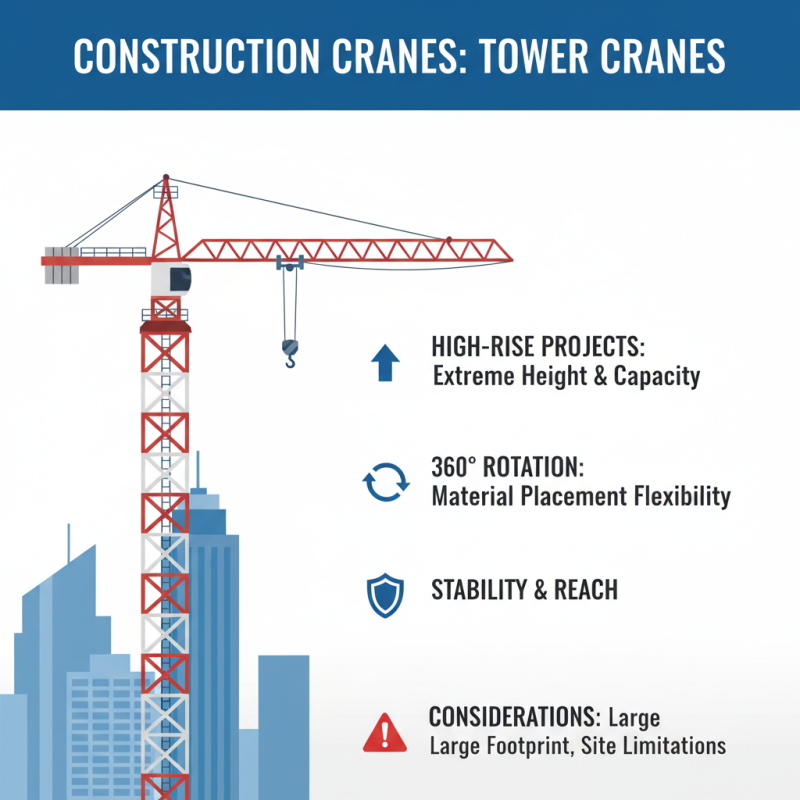
When selecting construction cranes, understanding their types is crucial. Tower cranes dominate high-rise projects, offering excellent height and lifting capacity. They rotate 360 degrees, allowing flexibility in lifting materials. Often seen at building sites, they provide stability. However, they require a significant footprint, which may limit their use in smaller projects.
Mobile cranes are versatile in their application. They can maneuver around sites and are ideal for various tasks. Their compact size makes them suitable for both urban and rural areas. But they can struggle with heavy loads compared to larger cranes. This trade-off poses a challenge for project managers. Understanding these limitations helps in making informed decisions.
Crawler cranes provide support on uneven terrain. Their tracks distribute weight well, preventing ground damage. However, they can be slow to set up, causing delays. Selecting the right crane involves weighing these pros and cons against project needs. It’s essential to assess terrain, load requirements, and project timeline carefully before making a choice.
Assessing Project Requirements for Crane Selection
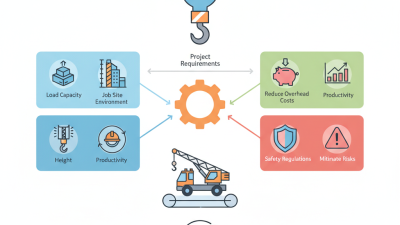
Choosing the right crane for a construction project involves understanding specific requirements. There are many factors to consider. First, evaluate the weight of materials. What will you lift? The crane's capacity must match this weight. If the load is too heavy, incidents could occur.
Next, think about the working environment. Is it an urban site with limited space? A compact crane could be more suitable in tight areas. If the project is in a wide-open space, larger models may work well. However, larger cranes may also create logistic challenges. Planning for placement is crucial.
Don't overlook height restrictions either. Will the crane clear nearby structures? If not, you may face severe delays. Also, consider the timeline of your project. If it’s urgent, you need cranes that are readily available. Reflect on these aspects carefully; rushing decisions can lead to costly mistakes. Finding the right balance in crane selection ensures smooth project progression.
Understanding Load Capacity and Reach of Different Cranes
When selecting construction cranes, understanding load capacity and reach is crucial. Load capacity indicates how much weight a crane can lift safely. Different projects require different capacities. For example, a small site may only need a crane that can lift a few tons. In contrast, large construction sites might require cranes with capacities exceeding fifty tons.
Reach is equally important. It defines how far the crane can extend its boom. Assessing the reach helps in planning the layout of the site. A crane with insufficient reach may hinder the project's progress. Workers might find themselves moving materials manually, which is inefficient and time-consuming. Sometimes the ideal crane in theory doesn’t fit the practical layout of a site.
When considering these factors, communication with your team is essential. Discuss all possible scenarios. Review your site conditions carefully. A crane that seems perfect might not be suitable due to environmental restrictions. Bad weather can affect stability, while surrounding structures can limit access. Being aware of these limitations early avoids costly mistakes later.
Regulatory Compliance and Safety Standards for Crane Use
When selecting cranes for construction projects, regulatory compliance is crucial. Each region has specific guidelines that must be adhered to. Failing to meet these requirements can lead to hefty fines and project delays. Ensure that your cranes align with local regulations. Understanding these requirements can be daunting. Many companies overlook critical safety standards.
Safety standards play a key role in crane usage. For instance, operators must be certified and trained. Yet, not all companies invest in adequate training programs. This oversight can pose risks on-site. Employees should understand the operational limits of the equipment. Awareness of potential hazards can prevent accidents and injuries.
Moreover, it's vital to regularly inspect cranes. Routine maintenance helps identify issues early. Neglecting these inspections can lead to equipment failure. Some teams may find it challenging to establish a maintenance schedule. However, prioritizing safety and compliance ultimately ensures smoother project execution. Balancing budget constraints with these necessities requires careful consideration.
2026 How to Choose the Right Construction Cranes for Your Project? - Regulatory Compliance and Safety Standards for Crane Use
| Crane Type |
Max Load Capacity (tons) |
Height Reach (meters) |
Swing Radius (meters) |
Compliance Standards |
| Tower Crane |
10 - 30 |
50 |
5 - 10 |
OSHA, ANSI |
| Mobile Crane |
5 - 50 |
15 - 40 |
3 - 7 |
ISO 9001 |
| Crawler Crane |
20 - 150 |
60 |
8 - 12 |
EN 13000 |
| Rough Terrain Crane |
10 - 50 |
20 - 30 |
4 - 8 |
API Spec 2C |
| Tower Crane (Luffing) |
8 - 40 |
50 |
5 - 10 |
AISC, ANSI |