How to Choose the Right Sewer Jetting Machine for Your Needs?
Choosing the right Sewer Jetting Machine is crucial for effective drainage maintenance. According to the 2021 National Association of Sewer Services Companies report, sewer jetting operates at efficiencies exceeding 90% when done right. Various types of machines are available, yet selecting one that fits specific needs can be challenging.
The market offers numerous options with varying power levels, hose diameters, and pressure capabilities. Research indicates that over 60% of professionals prioritize equipment that delivers high pressure while being portable. High-pressure capabilities can significantly improve cleaning effectiveness in urban settings. However, with so many models, the decision-making process can feel overwhelming.
Understanding your unique requirements plays a vital role. You need to consider the types of blockages and the pipe sizes most frequently encountered. The right Sewer Jetting Machine not only saves time but also enhances operational efficiencies. Yet, even experienced users may overlook critical features that could optimize performance. Reflecting on these needs is essential for informed decision-making.
Understanding Sewer Jetting Machines and Their Applications
Sewer jetting machines play a vital role in maintaining municipal and industrial sewer systems. These powerful tools utilize high-pressure water jets to clear blockages and remove debris. A professional report by the American Society of Civil Engineers suggests that about 75% of sewer issues arise from blockages. Understanding how these machines work is essential for effective maintenance.
Different types of sewer jetting machines exist, each tailored for specific applications. For instance, some machines are portable for smaller jobs, while others are truck-mounted for larger, more complex systems. According to industry data, equipment versatility can increase efficiency by up to 50%. Knowing the right specifications—such as pressure and flow rate—is crucial. A machine with insufficient pressure may not effectively clear tough clogs.
However, operators must consider the limitations of these machines. Overuse can lead to wear and tear, potentially causing additional issues in the sewer line. Moreover, factors like the age of the sewer system and the types of materials in use affect the selection process. A lack of knowledge or improper use can result in inadequate cleaning and damage, showing that choosing the right sewer jetting machine is not as straightforward as it seems.
Key Features to Consider When Selecting a Sewer Jetting Machine
When selecting a sewer jetting machine, focus on key features that align with specific needs. The pressure rating is critical; machines typically range from 1,500 to 4,000 PSI. Higher pressure can tackle stubborn blockages effectively. A flow rate measured in gallons per minute (GPM) also matters. For instance, a 4 GPM output is suitable for residential use, while 8 GPM is often preferred for commercial applications.
Consider portability as well. Lighter models are easier to maneuver but may lack power. Heavy-duty machines provide strength but can be cumbersome. In a 2022 industry report, 72% of professionals stated transportability impacts job completion time. Additionally, inspect hose length and nozzle versatility. A longer hose facilitates access to hard-to-reach areas. Different nozzle types ensure a broader range of cleaning capabilities.
While these features are essential, recognize that maintenance plays a vital role. Poor upkeep can diminish efficiency. Some users reported a drop in performance due to clogged nozzles. Regular maintenance checks can prevent these issues. Selecting the right machine involves balancing features, ease of use, and maintenance needs to achieve optimal results.
Determining the Appropriate Pressure and Flow Rates for Your Needs
When selecting a sewer jetting machine, pressure and flow rates are crucial. High-pressure settings are essential for breaking up tough blockages. For standard residential use, machines operating at 3000-4000 PSI are usually adequate. However, for commercial applications, higher pressures may be necessary. Evaluate your specific needs carefully before making a decision.
Flow rate also plays a significant role. It determines how quickly you can clear a line. Flow rates between 4 to 8 gallons per minute are common for most tasks. You must consider the diameter of the pipes you’ll work with. Larger pipes often require higher flow rates. If you choose incorrectly, efficiency can significantly drop, leading to increased job times.
Tips: Pay attention to the machine's specifications. Look for a balance between pressure and flow rate. Consider your typical projects. Always test the machine under real conditions before fully committing. Keep in mind that while higher numbers may seem better, they can also lead to overshooting your needs, which wastes resources.
Comparing Portable vs. Truck-Mounted Sewer Jetting Machines
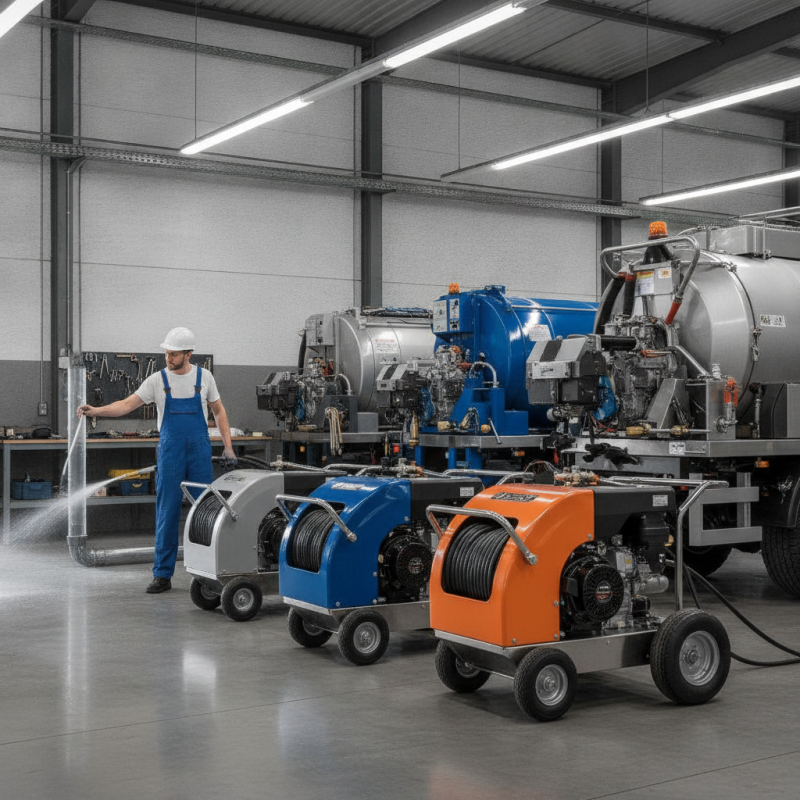
When considering sewer jetting machines, the choice between portable and truck-mounted systems is critical. Portable machines typically weigh less than 1,000 pounds and offer great maneuverability. They are ideal for residential use and smaller jobs. According to industry data, about 70% of plumbing professionals prefer portable units for their flexibility and ease of storage.
On the other hand, truck-mounted machines are more powerful. These systems often exceed 4,000 PSI and have significantly larger water tanks. They are best suited for commercial applications. Studies indicate that truck-mounted units can handle bigger blockages more efficiently. However, they require more space and are less flexible in tight or confined areas.
Choosing the right machine means considering specific job requirements. Portable jetters excel in urban settings. Truck-mounted machines shine in rural or large-scale operations. However, maintenance can be a challenge for both types. Regular service is essential for optimal performance. Each option has its pros and cons, urging users to reflect on their unique needs and operational scenarios.
Comparison of Portable vs. Truck-Mounted Sewer Jetting Machines
Budgeting for Your Sewer Jetting Machine Purchase and Maintenance Costs
When considering the purchase of a sewer jetting machine, budgeting is a crucial step. It's easy to underestimate the total costs involved. The initial price of the machine is just the beginning. You should account for maintenance costs, which can add up over time. Regular servicing can prevent costly breakdowns and extend the machine's lifespan.
Maintenance often includes replacing hoses and nozzles. These parts wear out quickly due to high-pressure operations. Set aside a portion of your budget for unexpected repairs. Consider additional costs like transport or storage if you plan on using the machine frequently. Reflect on financing options if the upfront cost is too high.
Assess your long-term needs as well. If you choose a smaller, cheaper option, it may not meet your demands later. Conversely, investing in a higher-end machine might seem daunting initially but could save money in the long run. Weigh the pros and cons of different machines thoroughly before your final decision. Remember, every purchase should align with your operational needs and financial capabilities.