How to Choose the Right Tele Handler for Your Needs?
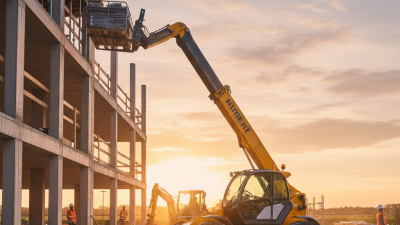
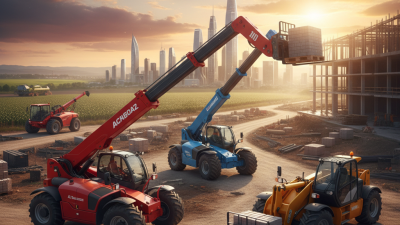
Selecting the right tele handler for your operations is crucial. A well-chosen tele handler can enhance efficiency in various tasks, from construction to agriculture. According to a report by Grand View Research, the global telehandler market is projected to grow at a CAGR of 4.8% from 2021 to 2028. This highlights the increasing reliance on telehandlers in modern projects.
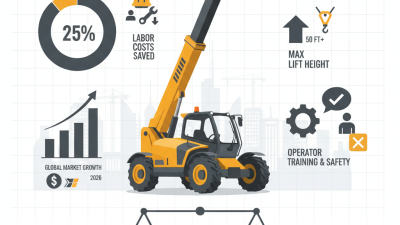
Telehandlers offer versatility, but choosing the wrong model can lead to inefficiencies. Some users underestimate the importance of lift height and load capacity. A tele handler with inadequate specifications may not meet the demands of a job site. Industry data shows that nearly 25% of operators agree that selecting the right equipment significantly impacts project timelines.
Understanding your specific needs is essential. Factors like terrain and load type play a vital role. While many may focus on price, a tele handler's long-term reliability often outweighs initial costs. A deeper analysis reveals that overlooking these details can hinder productivity and safety. Engaging with experienced professionals can also provide insights that data alone cannot offer.
Understanding Telehandler Types and Their Uses
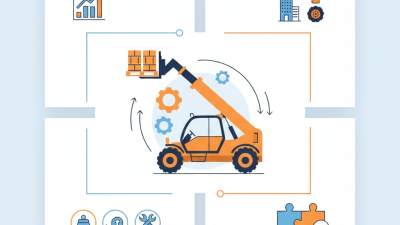
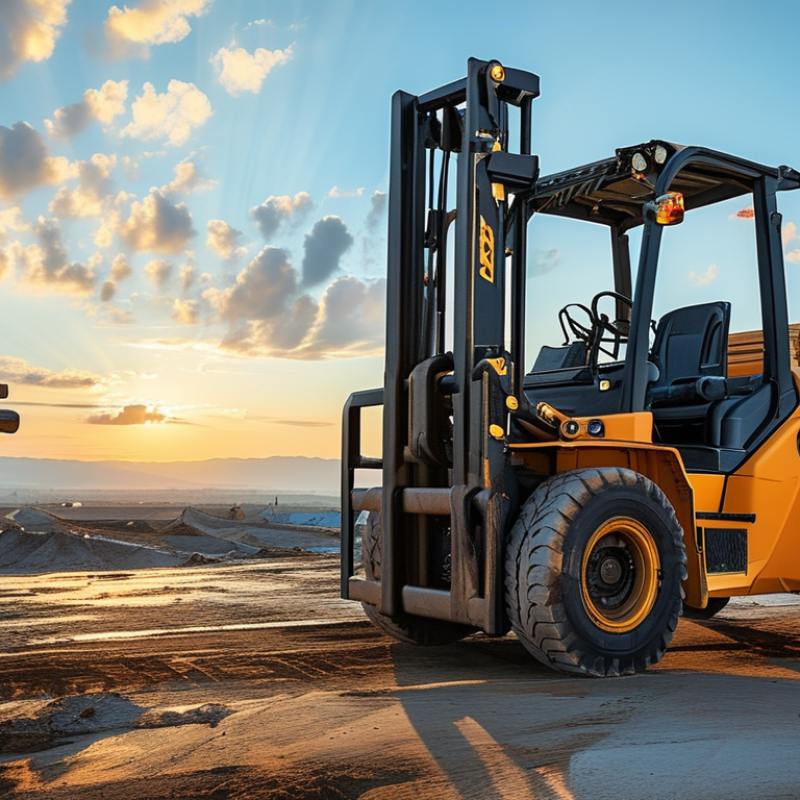
Choosing the right telehandler requires understanding the various types and their specific applications. Telehandlers can differ significantly in design and function. Some are ideal for lifting heavy loads, while others excel in reaching greater heights. Knowing your project requirements is crucial in making an informed choice.
There are several telehandler types available. Compact models work well in tight spaces, offering agility and ease of maneuvering. Larger models provide greater lifting capabilities, making them suitable for construction sites needing heavy material transport. Assessing the terrain and load types is vital in selecting the correct model.
Consider these tips for your selection process. Evaluate the weight and height requirements first. Understand your work environment; rough terrains may need specialized features. Lastly, prioritize user comfort and safety features. A comfortable operator can increase efficiency. Reflecting on your needs will lead to a better telehandler choice.
How to Choose the Right Tele Handler for Your Needs?
| Telehandler Type |
Max Lift Height (ft) |
Max Load Capacity (lbs) |
Typical Applications |
| Standard Telehandler |
40 |
5,500 |
Construction, Warehousing |
| Heavy Duty Telehandler |
54 |
12,000 |
Heavy Lifting, Industrial Sites |
| Compact Telehandler |
30 |
4,000 |
Landscaping, Tight Spaces |
| Rotating Telehandler |
65 |
10,000 |
Complex Jobs, Aerial Work |
Key Factors to Consider When Choosing a Telehandler
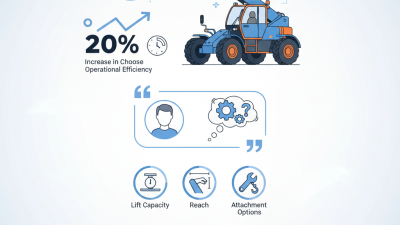
When choosing a telehandler, consider your specific needs. The lifting capacity is crucial. Understand the maximum weight you need to lift. Different jobs require different capacities. For instance, construction sites often need higher loads. Conversely, agricultural tasks might need less.
The reach of the telehandler is another vital aspect. Check the maximum height and distance it can extend. This affects accessibility on your site. If you work in tight spaces, a compact model may be necessary. Look into maneuverability as well. A nimble machine can save time and reduce labor costs.
Also, the type of attachments is essential. Various tools can enhance functionality. Forks, buckets, or jibs can make your telehandler versatile. Evaluate what you will frequently use. Maintenance is another factor to reflect on. Some models require more upkeep. Factor in your ability to service the equipment over time. Balancing these elements ensures you pick the right telehandler for your needs.
Evaluating Load Capacity and Reach Requirements
When selecting a tele handler, understanding load capacity and reach is crucial. The load capacity refers to the maximum weight the tele handler can lift safely. Different jobs require different capacities. A construction site may need heavier lifting capabilities than an agricultural task. Always consult the machine's specifications.
Reach is another key factor. This indicates how far the tele handler can extend its boom. If you are working in a confined area, a shorter reach might be acceptable. However, for taller buildings, a longer reach is essential.
Consider the specific tasks you will perform. Will you need to handle pallets, bales, or other materials? Assess the weights and heights involved. Make a checklist of your needs. This clarity can guide you in choosing the right model. Ensure that safety features are also prioritized in your decision-making process. Testing different models, if possible, can also help in making the best choice.
Assessing Maneuverability and Ground Conditions
When selecting a telehandler, consider how it maneuvers in different ground conditions. The type of terrain plays a significant role in the unit's performance. Soft, muddy, or uneven surfaces can affect stability. A telehandler with larger tires may perform better on these surfaces, offering improved traction and balance. Assessing the ground conditions will help you understand the necessary specifications.
Maneuverability is essential, especially in confined spaces. Narrow aisles or crowded job sites demand a compact design. Look for a telehandler that can pivot easily but still supports the weight needed for lifting tasks. It's also vital to think about visibility and controls. Operators should feel comfortable navigating their surroundings. Unforeseen challenges can arise during operation, making familiarity with the equipment crucial.
Evaluating your specific needs and conditions can help avoid costly mistakes. Be aware that no telehandler is perfect for every situation. Regular feedback from operators can pinpoint any shortcomings. This practice ensures you can make informed adjustments or upgrades in the future. Hence, take time to analyze both maneuverability and ground conditions before making a purchase.
Comparing Brands and Models for Performance and Reliability
When selecting a telehandler, evaluating performance and reliability is crucial. Several studies indicate that around 40% of construction delays arise from equipment failures. In contrast, reliable telehandlers can enhance productivity by up to 30% over time. Brands often differ in hydraulic capacity, lifting height, and maneuverability, making comparisons essential.
Understanding brand performance can guide your choice. A recent industry report highlighted that certain models excelled in hydraulic efficiency, reducing fuel consumption by nearly 15%. This can lead to significant cost savings. Additionally, customer satisfaction surveys suggest that user-friendly controls and robust support services significantly impact long-term reliability.
Consider these insights: prioritize models with higher lifting capabilities for larger workloads. Look for brands that offer extended warranties; this indicates confidence in their quality. Regular maintenance is vital for telehandlers, as neglect can lead to costly repairs. Always investigate the availability of spare parts as well. Choosing wisely can save you time and resources.