What is a City Crane and How Does it Work?
In urban settings, cranes play a crucial role in construction. Experts like Mark Thompson, a leading figure in the crane industry, emphasize their importance. He stated, “A city crane is more than just equipment; it’s a lifeline for modern construction.” This statement captures the essence of how city cranes function in bustling metropolitan areas.
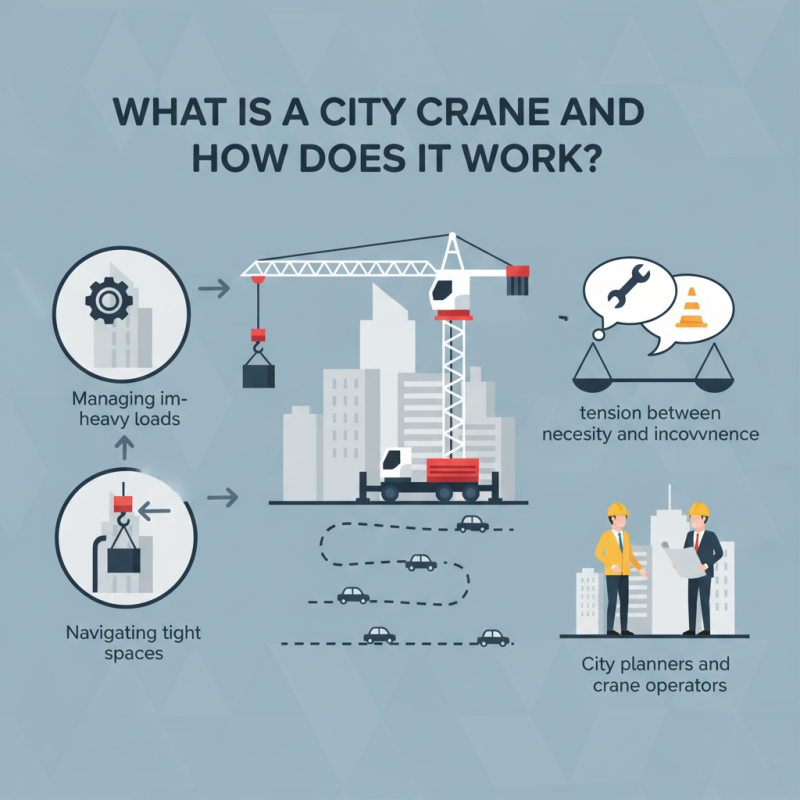
City cranes are unique. They are designed to navigate tight spaces and manage heavy loads. Their compact size allows them to maneuver through city streets efficiently. However, operating a city crane is not without challenges. Limited space can pose risks. Operators must maintain control while facing obstacles like nearby buildings and traffic.
Despite their value, city cranes often face criticism. Some argue they contribute to urban congestion. Yet, without city cranes, many skyscrapers would not rise. This tension between necessity and inconvenience highlights the complexity of urban development. Balancing efficiency with urban life remains a constant challenge for city planners and crane operators alike.
What is a City Crane? Overview of Its Definition and Purpose
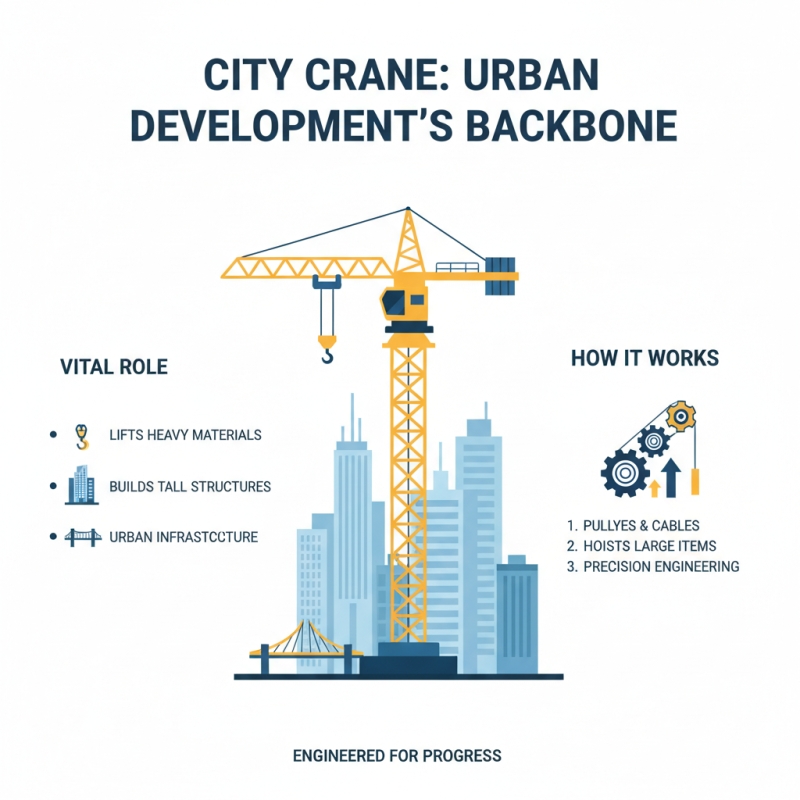
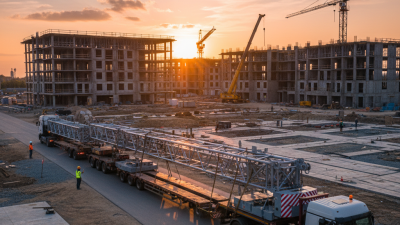
A city crane, commonly seen on construction sites, serves a vital role in urban development. Its primary purpose is to lift heavy materials to significant heights. These cranes are engineered for precision, making them essential for building tall structures, bridges, and other city infrastructure. They operate by using a system of pulleys and cables, which allows operators to hoist large items effortlessly.
Tips for working with city cranes: Always ensure that the area around the crane is clear. This prevents accidents and unauthorized access. Training for crane operators is crucial. Proper training promotes safety and efficiency.
City cranes come in various types. The mobile crane is popular due to its flexibility. Tower cranes, on the other hand, are fixed and can reach incredible heights. Each type has specific advantages. Understanding these can improve construction projects. However, issues like weather impacts and site limitations may occur. It’s essential to evaluate these factors carefully before commencing work. Always remain cautious. Cranes contribute greatly, but they also pose risks.
Types of City Cranes: Exploring Different Variants and Their Uses
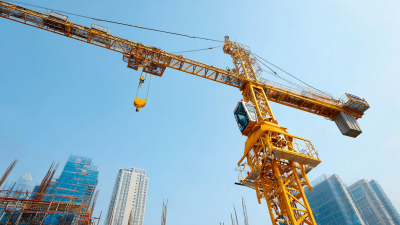
City cranes play a vital role in urban construction. They come in various types, each suited for specific tasks. Tower cranes, for example, are tall and can lift heavy materials to great heights. They are commonly seen on skyscraper projects. The ability to remain stationary allows them to handle a steady flow of construction materials.
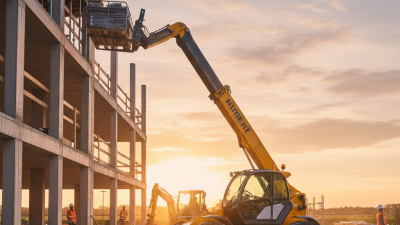
Mobile cranes are versatile and can be easily transported. They are perfect for smaller projects or tight spaces. Their wheels or tracks allow them to maneuver around job sites efficiently. Some cranes can even extend their arms to reach difficult areas. However, mobility can sometimes compromise lifting capacity.
Then there are telescopic cranes. They feature a retractable arm, allowing them to adjust their height and reach. This flexibility is beneficial in crowded urban areas. Still, the complexity of their operation can lead to challenges. Workers must be well-trained to handle them safely and effectively. Each type of crane showcases unique strengths and weaknesses. Understanding these can lead to better project outcomes.
What is a City Crane and How Does it Work? - Types of City Cranes: Exploring Different Variants and Their Uses
| Crane Type |
Max Load Capacity |
Height |
Typical Use |
Advantages |
| Mobile Crane |
10-500 tons |
Up to 200 ft |
Construction, Heavy Equipment |
Flexible, Quick Setup |
| Tower Crane |
1-20 tons |
Up to 100 ft |
High-rise Building |
Stable, High Lifting Capability |
| Crawler Crane |
50-600 tons |
Up to 250 ft |
Rough Terrain, Large Scale Projects |
Excellent Stability on Uneven Ground |
| All Terrain Crane |
40-600 tons |
Up to 150 ft |
Urban Construction Sites |
Versatile, Suitable for Various Terrains |
| Lattice Boom Crane |
100-2000 tons |
Up to 500 ft |
Mega Projects, Industrial Sites |
High Strength, Long Reach |
How City Cranes Operate: Mechanisms and Technology Behind Their Function
City cranes are marvels of engineering. They are commonly seen towering over construction sites. But how do they actually work? The operation of city cranes relies on complex mechanisms. At their core, they use a pulley system. This system enables them to lift heavy loads with relative ease.
Hydraulic systems play a vital role in a crane's operation. They generate powerful force to move the crane’s boom upwards and downwards. Operators rely on controls to manage these movements accurately. Precise operation is crucial when lifting materials high into the air. Even slight miscalculations can lead to accidents, showcasing the need for constant vigilance.
Safety features are also important. Many cranes come equipped with sensors that detect overloads. These mechanisms help prevent dangerous situations. However, cranes can sometimes malfunction. Maintenance is essential, yet often overlooked. Regular inspections could catch potential problems early. This highlights a need for ongoing training among operators and maintenance staff. Without this, the risks involved can significantly increase.
City Crane Load Capacity Over Different Models
This bar chart illustrates the load capacity of various city crane models, showcasing how their capabilities differ based on design and purpose. Model C, for instance, offers the highest capacity at 60 tons, while Model A has the lowest at 25 tons.
Safety Measures and Regulations in Operating City Cranes
Operating city cranes involves strict adherence to safety measures and regulations. City cranes lift heavy materials high above bustling streets. Therefore, proper safety protocols are crucial. Operators must undergo extensive training. They need to understand the equipment and the environment. Awareness of potential hazards is essential.
Daily inspections are a mandate before any lifting begins. Everything from cables to the load must be checked. Improper setups can lead to dangerous situations. The weather plays a critical role too; high winds can destabilize loads. Operators should monitor conditions constantly to ensure everyone’s safety.
Communication is key during operations. Clear signals help coordinate movements between the ground crew and the operator. Disturbances can occur, requiring quick reactions. Sometimes, unexpected issues arise, leading to delays or reevaluation of plans. Reflecting on what went wrong helps improve future operations. Cranes are powerful tools, but they demand respect and careful handling.
Applications of City Cranes in Urban Development and Construction
City cranes play a crucial role in urban development. They help lift heavy materials, making skyscrapers and bridges possible. These machines are often seen towering over construction sites. Their ability to navigate tight spaces is essential in bustling cities. However, the operation of city cranes can be complex. The professionals who manage them must balance safety with efficiency daily.
Applications of city cranes are vast. They contribute to residential projects, commercial buildings, and infrastructure. In urban areas, cranes assist in constructing high-rise apartments. They help deliver materials to hard-to-reach locations. Yet, with their benefits come challenges. Traffic congestion often increases during operations. Safety measures must be in place to protect nearby pedestrians.
Urban planners must consider crane logistics carefully. The height and weight of loads are critical when designing projects. Operators face pressure to meet deadlines, but haste can lead to errors. It is vital for operators to communicate clearly with their team. Misunderstandings can result in costly mistakes. Balancing speed and safety is a constant struggle in urban construction.