What Is Crane Rentals? Understanding Costs, Types, and Benefits of Renting Cranes
Crane rentals have become an essential part of the construction and heavy lifting industries, offering flexibility and cost-effectiveness that purchasing equipment outright does not. According to a recent market report by IBISWorld, the crane rental market in the United States is expected to reach over $25 billion by 2024, reflecting a growing trend towards outsourcing equipment needs. This transition not only reduces capital expenditure but also allows companies to utilize specialized cranes tailored to specific projects, maximizing operational efficiency.
Industry expert and rental market analyst, John Smith, emphasizes the advantages of crane rentals, stating, "The ability to rent cranes as needed means companies can remain agile and responsive to project demands without being burdened by the overhead costs of maintenance and ownership." As construction projects become increasingly complex, the demand for various types of cranes—including tower, mobile, and rough terrain cranes—continues to rise. With the right rental strategy, businesses can navigate the challenges of project management while keeping costs predictable and manageable. Thus, understanding crane rentals is crucial for making informed decisions in today’s competitive landscape.
What Is Crane Rentals? A Comprehensive Overview
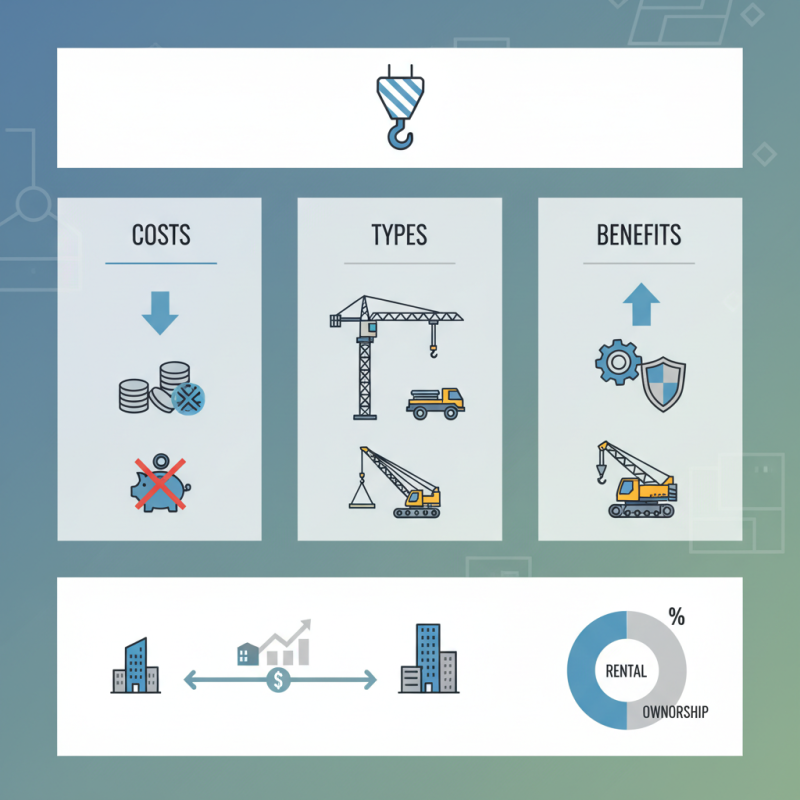
Crane rentals have become an essential service in various industries, offering flexibility and cost-effectiveness for projects requiring heavy lifting. When companies opt for crane rentals instead of purchasing equipment, they can save significantly on upfront costs typically ranging from $100,000 to over $1 million depending on the crane type and capacity. A report by the American Rental Association indicates that the crane rental market is expected to grow by 5% annually, reflecting the increasing demand for construction and industrial applications.
One of the key benefits of crane rentals is access to a diverse range of crane types suitable for different operational needs. From tower cranes that are invaluable in high-rise constructions to mobile cranes that offer versatility on job sites, renting allows businesses to select the most appropriate equipment without the burden of maintenance and storage concerns. The availability of skilled operators often included in rental packages further enhances safety and efficiency, reducing the risk of costly accidents.
**Tips:** When renting a crane, assess your project's specific requirements, including the weight of materials and height limitations. Always seek a rental agreement that includes insurance and consider hiring qualified operators to maximize productivity and safety on site. Additionally, evaluate rental companies based on their reputation and service quality to ensure the best experience.
Types of Cranes Available for Rent and Their Uses
When it comes to crane rentals, understanding the various types of cranes available and their specific applications is crucial for optimizing project efficiency and safety. According to industry reports, the global crane rental market is expected to reach $49.9 billion by 2025, driven by significant investments in construction and infrastructure development. Each type of crane serves a unique purpose, catering to different project requirements.
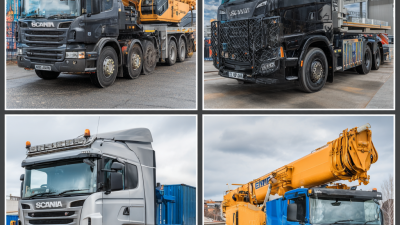
One common type available for rent is the tower crane, which is extensively used in high-rise building constructions. Tower cranes can reach heights of over 1,000 feet and are capable of lifting heavy materials, such as steel and concrete. Their stationary base and rotating arm allow them to cover a large work area while maintaining stability. Another popular option is the mobile crane, which offers versatility in various terrains, making it ideal for construction sites with limited space. With capacities ranging from small trucks to massive heavy-duty equipment, mobile cranes are indispensable for quick lifts and transport tasks.
Additionally, crawler cranes, known for their capability to maneuver on uneven ground, are often utilized in heavy lifting scenarios, such as bridge construction and excavation projects. Their wide tracks provide excellent stability, allowing them to handle substantial loads. As construction trends continue to evolve, exploring these diverse crane options can significantly enhance operational efficiency and ensure the successful completion of projects, ultimately contributing to the projected growth of the crane rental industry.
Factors Influencing Crane Rental Costs
When considering crane rentals, various factors can significantly influence the overall costs associated with the service. One of the primary considerations is the type of crane required for the specific project. Cranes come in various forms—such as tower cranes, mobile cranes, and rough terrain cranes—each catering to different project needs. The complexity of the task often dictates the type of crane and, consequently, its rental rate, which can vary significantly based on the equipment's specifications and capabilities.
Another critical factor is the duration of the rental period. Typically, crane rental companies offer different pricing structures for short-term versus long-term rentals. Longer rental periods may yield discounts, while short-term rentals, especially for urgent needs, may incur higher daily rates. Additionally, geographical location plays a role in rental costs, as demand and operational logistics can differ from one region to another. Freight charges, transportation to and from the site, and any potential permits needed also add to the overall expenditure, making it essential to assess all components when budgeting for crane rentals.
Benefits of Renting Cranes for Construction Projects
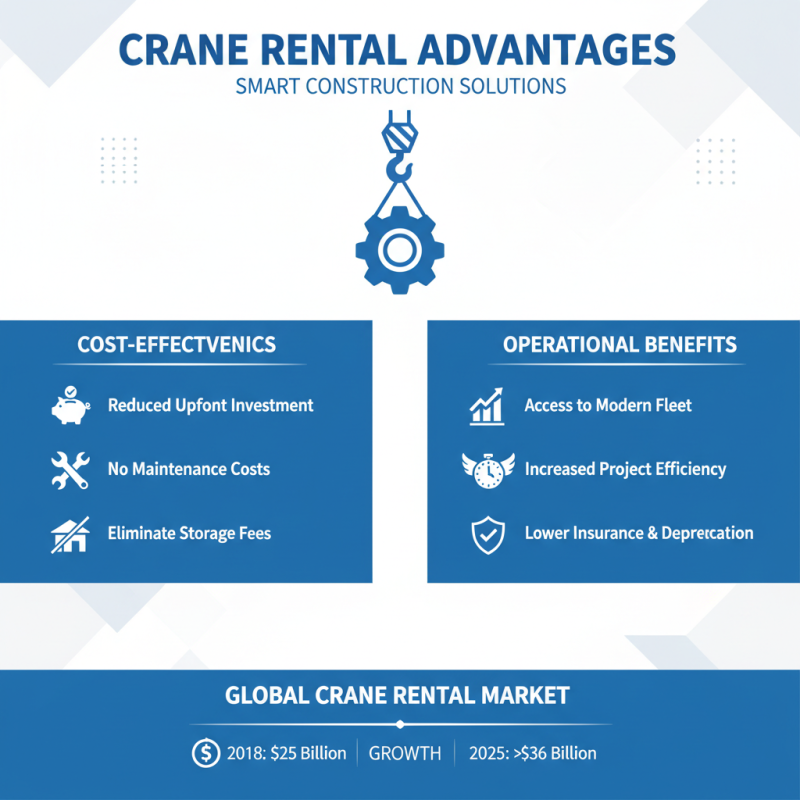
Renting cranes for construction projects offers numerous advantages that can significantly enhance the efficiency and cost-effectiveness of operations. According to the Global Crane Rental Market Report, the crane rental sector has seen steady growth, with an estimated market value increase from $25 billion in 2018 to over $36 billion by 2025, driven by the rising demand for construction and infrastructure development worldwide. Renting cranes allows construction companies to access modern, high-capacity equipment without the burden of full ownership costs, which include maintenance, storage, and insurance.
One of the primary benefits of crane rentals is flexibility. This allows construction teams to choose equipment tailored to specific project needs without committing to long-term investments. A study by the American Rental Association highlights that 87% of construction firms prefer renting cranes for short-term projects, as it reduces overhead costs and allows for the swift adaptation of new technology. Moreover, renting cranes often translates to increased project timelines, as companies can select the right type of crane for the job, whether it's a tower crane for high-rise buildings or a mobile crane for versatile on-site needs. This not only optimizes productivity but also enhances safety, as rental companies provide well-maintained and regularly inspected machinery.
Best Practices for Renting Cranes Safely and Efficiently
When renting cranes, safety and efficiency are paramount. First and foremost, it's essential to thoroughly assess the specific requirements of your project. This includes understanding the load capacity needed, the lift height, and the ground conditions where the crane will operate. Engaging with experienced professionals who can evaluate the site and recommend the appropriate type of crane is a crucial step in ensuring both safety and effectiveness. Proper planning lays the foundation for a successful rental experience.
Once the crane is selected, adhering to safety protocols is vital. Operators should be certified and experienced in handling the specific equipment to prevent accidents and damage. Regular inspections and maintenance of the crane before use also contribute to a safe working environment. Additionally, ensuring that everyone on-site is aware of safety measures and emergency procedures helps create a culture of safety that minimizes risks. Establishing clear communication channels among team members during the operating process can further enhance both safety and efficiency, ultimately leading to the overall success of the crane rental project.