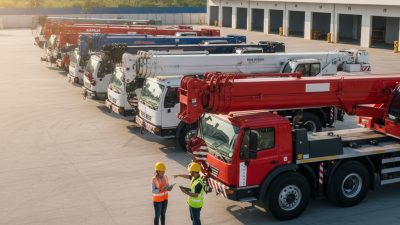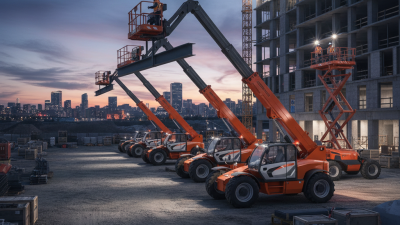
Crane truck rental is an essential service in construction and heavy lifting industries. These trucks combine the capabilities of a crane and a truck, making them efficient for various jobs. Businesses often rely on crane truck rental for projects where heavy materials need to be relocated.
Using crane trucks can simplify many tasks. However, the process may seem complex at first. Companies should assess their needs before renting. It's crucial to consider the weight and dimensions of the items to be lifted. Additionally, understanding the rental terms and conditions can prevent unexpected challenges.
While crane truck rental offers great advantages, there are nuances to consider. Not every provider offers the same level of service. Conducting research on rental companies helps identify the best options. Sometimes, engaging with a less-known provider can yield better local support. Balancing cost and quality in crane truck rental requires careful thought and reflection.
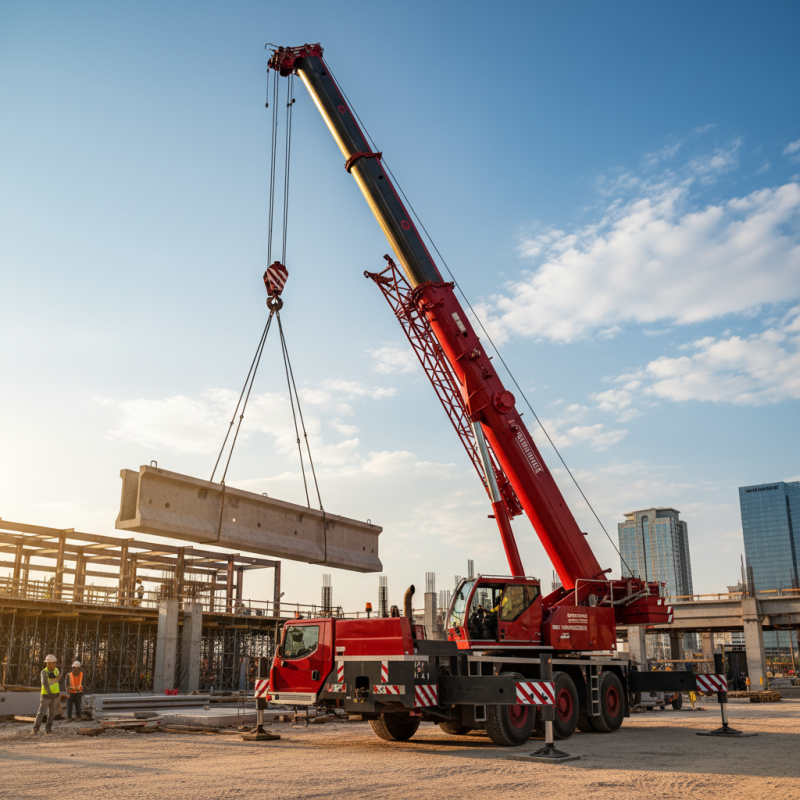
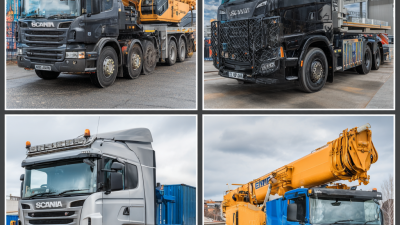
A crane truck is a specialized vehicle designed for lifting and moving heavy materials. It combines a truck chassis with an attached crane. These trucks are essential in various industries, including construction, logistics, and maintenance. In construction, they lift steel beams into place or transport large equipment across sites. In logistics, they load and unload containers from delivery trucks.
Tips: Always check the crane’s weight limit. Overloading can cause damage or accidents. Ensure regular maintenance checks. This keeps the crane in top working condition.
Proper training is crucial. Operators must understand the crane's functions. Misunderstanding can lead to mishaps. It’s essential to use safety harnesses and helmets while working around crane trucks. Understand the surroundings before operating. Watch for overhead lines and other hazards.
Despite their capabilities, crane trucks require careful planning. The setup can be complex. Traffic conditions and site layout impact efficiency. Communication is key among team members. Everyone should be clear on their roles. Reflect on any issues faced during operations. It helps improve future tasks.
| Type of Crane Truck | Load Capacity (tons) | Common Uses | Rental Rate (per day) |
|---|---|---|---|
| All Terrain Crane | 30 | Construction sites, road maintenance | $1,200 |
| Truck Mounted Crane | 20 | Lifting heavy materials, cargo handling | $800 |
| Crawler Crane | 50 | Heavy lifting and construction on uneven terrain | $1,500 |
| Rough Terrain Crane | 25 | Outdoor construction and industrial projects | $1,000 |
| Telescopic Crane | 40 | Construction, shipping, and rescue operations | $1,300 |
Renting a crane truck offers flexibility that purchasing simply can't match. Companies can assess their needs without committing to a long-term investment. This means reduced financial strain, making it easier to allocate funds to other crucial areas. Renting helps avoid the high costs of ownership, like maintenance and storage.
Moreover, when you rent, you gain access to modern equipment. Rental companies often keep their fleet updated, ensuring you have the latest technology. This can improve project efficiency and safety. It's also a chance to use different crane types for various tasks. However, relying on rentals may lead to a lack of familiarity with specific models. It’s essential to train operators to handle diverse equipment.
Flexibility is a double-edged sword. While it allows for easy scaling, it can complicate project planning. Timelines can shift, and availability might become an issue. Rental agreements may come with hidden costs that could surprise you. Careful consideration is needed to avoid pitfalls in the rental process.
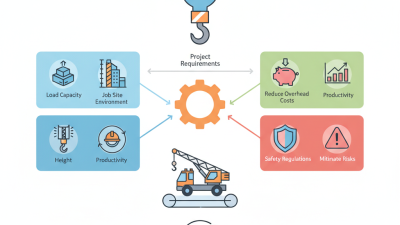
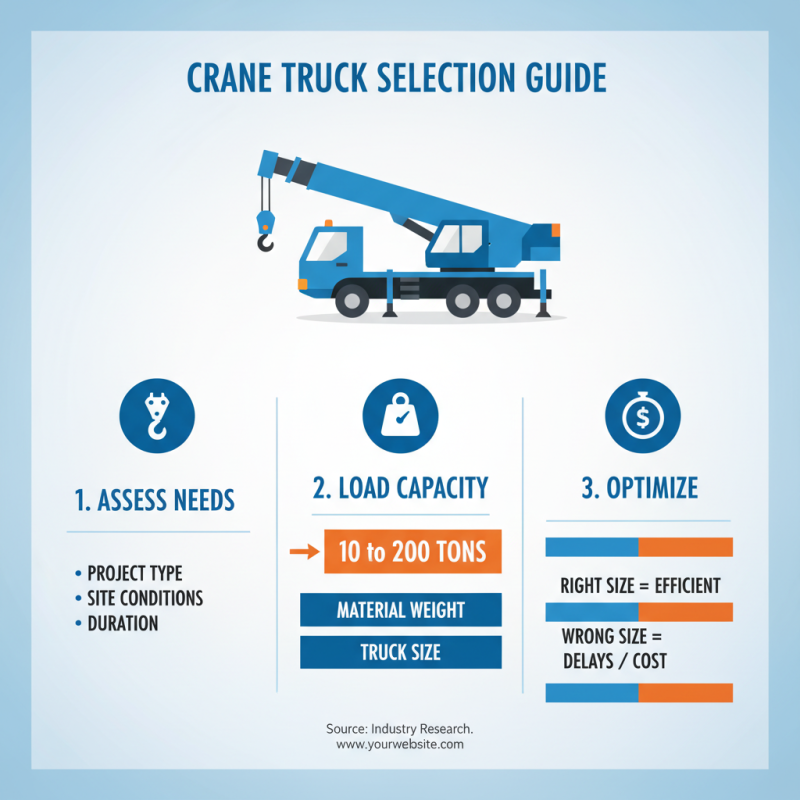
When selecting a crane truck for your project, it's crucial to assess specific needs. Consider the load capacity. Research indicates that crane trucks can handle from 10 tons up to 200 tons. The weight of your materials will dictate the right truck size. An oversized crane may lead to wasted resources, while an undersized one can cause delays.
Evaluate the project site as well. Is it urban? Rural? Each location presents unique challenges. Space constraints might limit equipment maneuverability. A compact crane truck may perform better in tight spots. According to industry reports, over 30% of project delays arise from equipment mismatch.
Take the duration of your project into account too. A rental for a few days differs vastly from a multi-month job. Some rental companies offer better rates for long-term agreements. Balancing your timeline and cost can improve project efficiency. Remember, each project is unique. Finding the right crane truck requires careful thought and planning.
Renting a crane truck can seem daunting at first. Yet, understanding the rental process is straightforward. Start by identifying your project needs. Consider the truck's lifting capacity and reach. Make a list of tasks. This will help in selecting the right crane truck.
Once you know what you need, research rental companies. Investigate their fleet and pricing. Compare options carefully. Many companies provide estimates online. However, be aware of hidden fees. Ask about additional costs like delivery or insurance. Clear communication is vital throughout the process.
After you choose a rental company, review the contract. Ensure it covers all details. Pay close attention to the rental period and liability clauses. Understand what maintenance responsibilities you have. Sometimes, equipment may not perform as expected. It's important to have a plan for these situations. Always maintain an open line of communication with the rental provider. They can assist if issues arise during the rental period.
Crane truck rental costs vary widely. Several key factors affect pricing in this industry. The type of crane is one major influence. For example, a rough terrain crane may cost more than a standard truck crane. A report from the American Rental Association indicates that specialized cranes can increase rental prices by up to 30%.
Location also plays a critical role. Urban areas often have higher demand, which drives prices up. A city may experience rental costs that are 25% above average due to limited supply. Seasonal demand impacts prices too. During peak construction months, rates could surge.
Finally, the rental duration matters. Short-term rentals usually cost more per day compared to long-term agreements. A three-month rental may offer significant savings compared to a daily rate. It's essential to consider these factors when budgeting for a crane truck rental. Understanding these nuances can lead to better decision-making.