Dynamic Gas Distribution Instrument How to Choose the Best?
Choosing the right Dynamic Gas Distribution Instrument can be challenging. Various factors influence the effectiveness of these instruments. Understanding these factors ensures better decision-making.
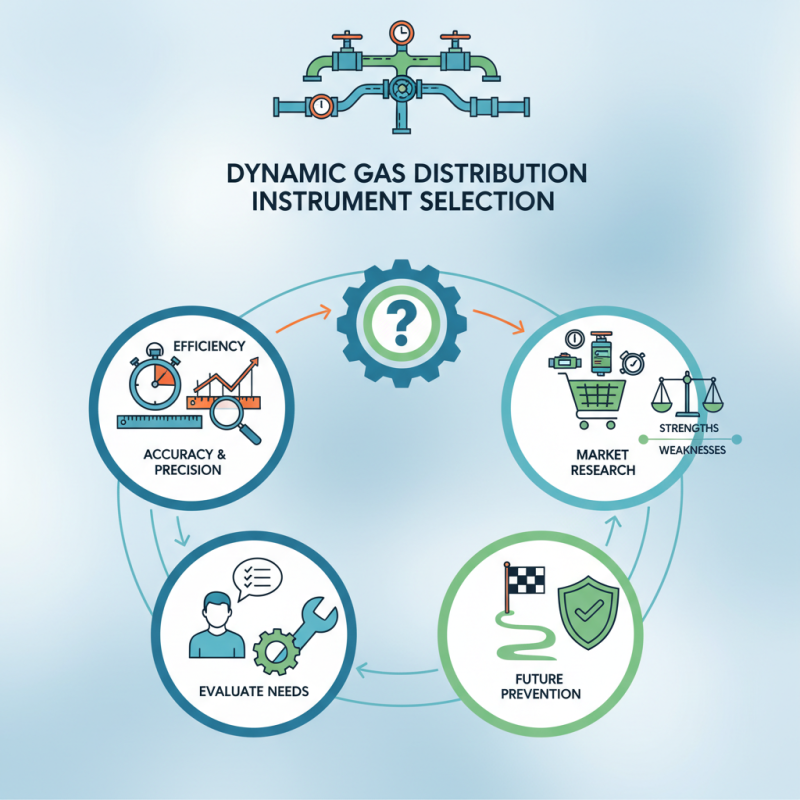
Efficiency is paramount in gas distribution. A quality instrument must accurately measure gas flow. Precision in readings is crucial for safety and performance. For this reason, consider the accuracy ratings and calibration details of each option.
Researching the market reveals numerous choices. Each instrument has its strengths and weaknesses. It’s essential to evaluate your specific needs before making a selection. A thoughtful approach will minimize the risk of operational setbacks. Remember, the right choice today can prevent issues in the future.
Understanding Dynamic Gas Distribution Instruments: An Overview
Understanding dynamic gas distribution instruments is key to many applications, from environmental monitoring to industrial processes. These instruments help measure and control the distribution of gases within given spaces. Choosing the proper device is essential for optimal performance.
When evaluating different options, consider factors like accuracy, response time, and calibration intervals. A reliable instrument should provide consistent readings under various conditions. It’s also important to assess the ease of maintenance. Complex devices may require specialized training to operate and maintain, which isn't always feasible.
Tips:
- Always request technical documentation. This gives insight into the instrument's capabilities.
- Evaluate user reviews to gauge reliability. Real-world feedback can uncover shortcomings.
- Seek expert opinions if unsure. Consulting professionals can save time and resources in decision-making.
Think about your specific needs. Do you need
portability, or will a stationary setup suffice? Sometimes, a less sophisticated model meets basic needs effectively. Don't overlook budget constraints either; more expensive options don’t always equate to better quality.
Key Factors Influencing the Choice of Gas Distribution Instruments
When selecting a dynamic gas distribution instrument, several key factors come into play. Understanding the specific application is vital. Consider the type of gas being distributed. Different gases have distinct properties. Some are corrosive, while others are inert. This knowledge helps ensure the chosen instrument is compatible and safe.
Accuracy is another critical aspect. Instruments should provide reliable measurements under various conditions. Fluctuations in temperature and pressure can affect performance. Assessing the instrument’s calibration process is wise. This step not only guarantees precision but also builds trust in the data collected.
Finally, ease of use should not be overlooked. A user-friendly interface can significantly enhance operational efficiency. Training personnel becomes simpler with intuitive designs. Yet, it’s important to find a balance. Complex systems may offer advanced features but can create frustration if not implemented correctly. Reflecting on these elements can lead to a well-informed choice.
Industry Standards and Regulations for Gas Distribution Instruments
When selecting gas distribution instruments, adherence to industry standards and regulations is crucial. Different regions have specific guidelines. Understanding these regulations is essential. They ensure safety and reliability in gas distribution.
For instance, instruments must comply with calibration standards set by recognized organizations. This guarantees accuracy in measurement. Moreover, safety standards dictate the materials used in instrument construction. They must withstand various environmental conditions. Instruments must also feature safety mechanisms to prevent leaks.
Regular audits are necessary to maintain compliance with these standards. Failing to meet regulations can have serious consequences. It can lead to operational inefficiencies or safety hazards. Organizations should prioritize training for personnel operating these instruments. Knowledge of regulations fosters a culture of safety and reliability. Though it can be challenging, keeping up with evolving standards is essential for long-term success. It encourages continuous improvement in gas distribution practices.
Comparative Analysis of Leading Dynamic Gas Distribution Technologies
In the world of gas distribution, selecting the right dynamic gas distribution instrument is crucial for efficiency. Emerging technologies have greatly influenced this market. A 2023 report by the Gas Technology Institute highlights that approximately 60% of professionals rate real-time monitoring capabilities as vital for operational success. Dynamic gas distribution systems need to ensure they adapt quickly to changing conditions.
When comparing leading technologies, accuracy remains a key factor. A recent survey showed that 75% of users prefer systems with error margins under 2%. Systems using advanced algorithms can optimize gas flow while minimizing leaks. However, many existing instruments still struggle with long-term reliability, often failing due to outdated components. This raises questions about their overall effectiveness.
Moreover, maintenance and support play a significant role. Research indicates that over 40% of users experience unplanned downtime due to insufficient service. Instruments that incorporate user-friendly interfaces often lead to fewer operational disruptions. Despite advancements, the balance between cost and quality remains delicate. Many organizations grapple with choosing cost-effective solutions without sacrificing performance.
Evaluating Performance Metrics: Flow Rate, Pressure, and Accuracy
Choosing the right dynamic gas distribution instrument can significantly affect performance. When evaluating options, key metrics include flow rate, pressure, and accuracy. Flow rate defines how quickly gas moves through a system. A higher flow rate can enhance efficiency in many applications but may introduce inconsistencies. Real-life applications often reveal that balance is essential.
Pressure measurement is critical as well. Incorrect pressure readings can lead to safety issues or operational failures. It's not uncommon for instruments to fluctuate, impacting overall reliability. Users should be cautious. Regular testing can often help identify any discrepancies in pressure readings.
Accuracy is the cornerstone of performance metrics. Instruments must provide precise readings to ensure safety and efficiency. Users might overlook minor inaccuracies, but these can accumulate over time. Ensuring instruments are regularly calibrated helps maintain their effectiveness. Ultimately, careful assessment of these metrics will lead to better decisions. Focus on these areas to achieve optimal performance.