10 Essential Tips for Choosing the Right Construction Cranes
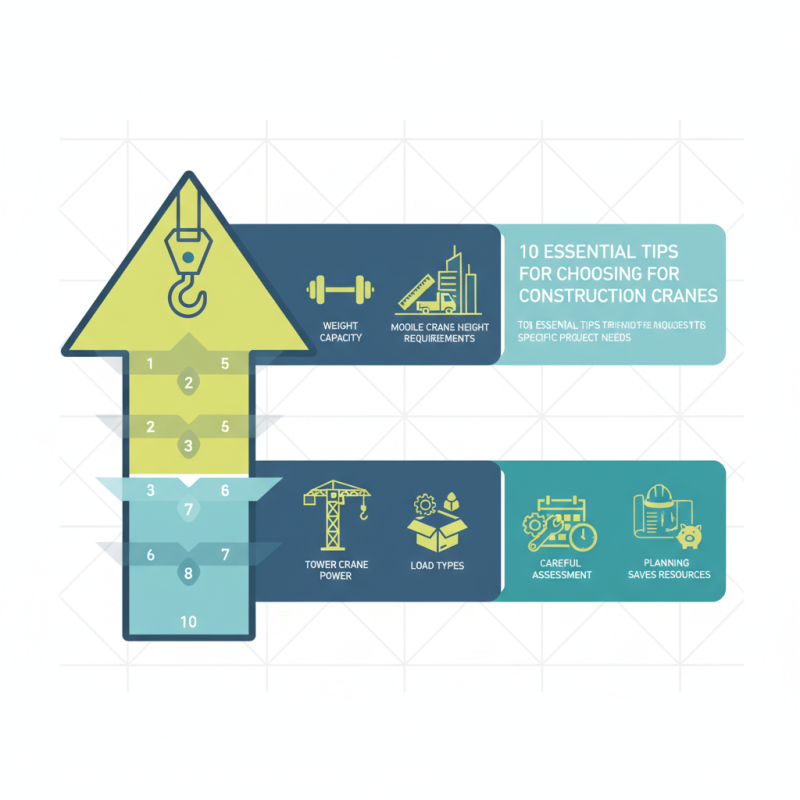
Choosing the right construction cranes for your project can significantly impact efficiency and safety. With various types available, the selection process can feel overwhelming. It’s essential to understand your specific needs.
Consider factors like weight capacity and height requirements. Different cranes serve different purposes, from tower cranes to mobile cranes. Each has strengths and weaknesses. For instance, a mobile crane offers flexibility but may lack the lifting power of a tower crane.
Ignoring these details can lead to poor decisions, costly mistakes, and potential safety hazards. Assess job site conditions, load types, and project timelines carefully. Reflection on your specific project needs can guide a better choice. Taking your time with this decision is crucial. Proper planning saves time and resources in the long run, ensuring successful outcomes in construction projects.
Understanding Different Types of Construction Cranes and Their Uses
When selecting a construction crane, understanding the different types is crucial. You have tower cranes, which are common in high-rise buildings. They have a fixed base and can reach impressive heights. These cranes are perfect for lifting heavy materials vertically. But they require a lot of space and might not suit every project.
For smaller jobs, consider mobile cranes. They’re versatile and can maneuver around tight spaces. Their ability to travel on roads makes them great for various tasks. However, they might not lift as much as tower cranes. And you have considerations like stability and load capacity. Did you check the ground conditions? A crane's performance can be compromised if the foundation is weak.
Another type is the crawler crane. These are equipped with tracks instead of wheels. This design enhances stability on uneven terrain. But they have a slower setup, which could delay progress on-site. Sometimes, it’s easy to overlook logistics. Do you have enough space for setup and operation? Make sure you assess the site properly. Understanding these types will ensure a successful project.
Assessing Load Capacity Requirements for Optimal Crane Selection
When selecting a construction crane, understanding load capacity is crucial. Each crane has specific limits, and exceeding them can lead to failures. Evaluate the heaviest loads you will lift and understand their distribution. It’s not just about the weight, but also how it's balanced. An uneven load can strain the crane’s mechanism.
Consider variable factors, like wind and terrain. Strong winds can affect stability. Uneven surfaces can lead to tipping. Ensure your crane can handle these conditions. Conducting tests can help. Relying solely on manufacturer specifications may not provide the full picture. Examine your project environment thoroughly. Mistakes in load assessment lead to unsafe operations, which can be catastrophic. It's better to overestimate load capacity than underprepare.
If you aren't sure, consult with experts. Their insights can save time and money. Sometimes, it’s wise to choose a crane with a slightly higher capacity than needed. Learning from past mistakes is valuable. Every project provides lessons that can enhance future decisions. Taking the time to assess load requirements leads to better choices.
10 Essential Tips for Choosing the Right Construction Cranes - Assessing Load Capacity Requirements for Optimal Crane Selection
| Crane Type |
Max Load Capacity (tons) |
Height (meters) |
Reach (meters) |
Best Use Case |
| Tower Crane |
10 |
50 |
40 |
High-rise building construction |
| Mobile Crane |
20 |
30 |
25 |
Construction sites with limited space |
| Rough Terrain Crane |
30 |
20 |
15 |
Off-road applications |
| Crawler Crane |
50 |
40 |
30 |
Heavy lifting in tough terrain |
| Floating Crane |
75 |
N/A |
50 |
Marine construction projects |
Evaluating Site Conditions and Constraints for Crane Placement
When evaluating site conditions for crane placement, it’s crucial to consider several factors.
Ground stability is one of the most important aspects.
A report from the National Institute of Standards and Technology highlights that unstable soil can lead to crane tipping, posing significant safety risks.
Ensure the soil can support the crane's weight, especially when handling heavy loads.
Another important factor is the surrounding environment.
Proximity to power lines or nearby buildings can restrict crane movement.
Data from the Construction Safety Association shows that many accidents occur due to overshadowing structures.
A clear area for the crane’s swing radius is essential for safe operation.
This space allows for safe material delivery and prevents collisions.
Wind conditions also play a role in crane performance.
The American Society of Civil Engineers noted that cranes should not operate in winds exceeding 20 mph.
This limitation ensures safety during lifting operations. Operators should monitor weather reports closely and adjust plans accordingly.
Even minor oversights in site evaluations can result in accidents and project delays.
It's a fine balance of vigilance and planning that ultimately dictates success.
Considering Crane Mobility and Performance Based on Project Needs
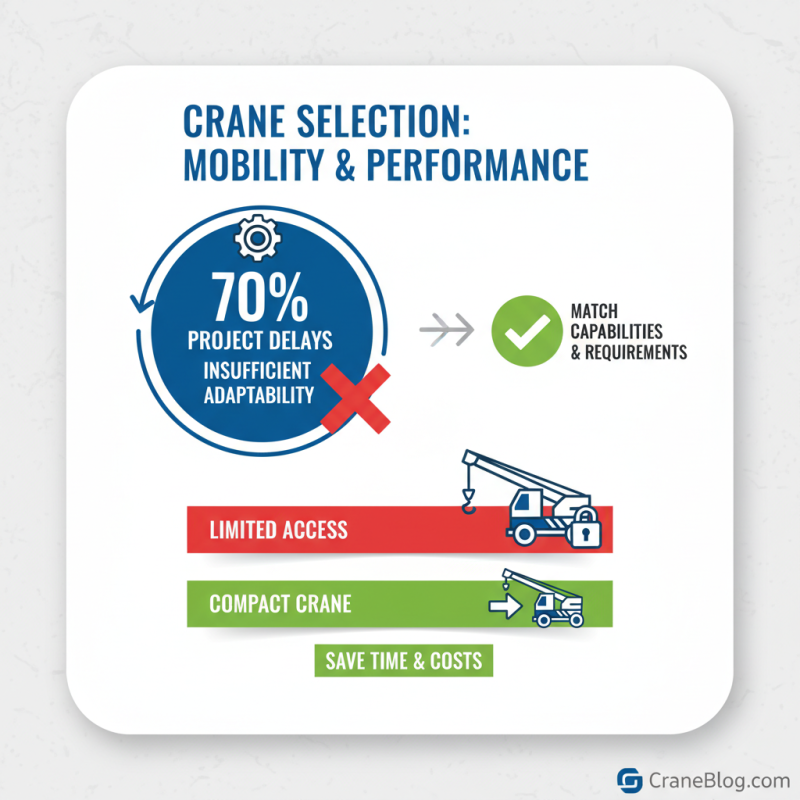
When selecting cranes, mobility and performance are crucial. A study by the Crane Industry Council found that 70% of project delays stem from insufficient equipment adaptability. It's essential to match crane capabilities with project requirements. For instance, a job site with limited access might need a more compact crane. This choice can save time and costs associated with maneuvering.
The performance of cranes is often tied to their load capacity and reach. According to industry reports, cranes with variable radius can improve efficiency by up to 30%. However, this added flexibility could lead to oversights in load calculations or safety standards. Investing in training becomes essential. Workers need a deep understanding of each crane's performance limits to prevent accidents.
Mobility also plays a role in minimizing disruptions. Cranes that are easily transportable reduce downtime. Yet, heavier models with fixed features often support larger loads better. Striking a balance between these factors is key. Relying solely on one aspect, like mobility, might neglect performance needs. Each project is unique, and careful consideration is necessary.
Analyzing Cost Factors and Budget Constraints in Crane Procurement
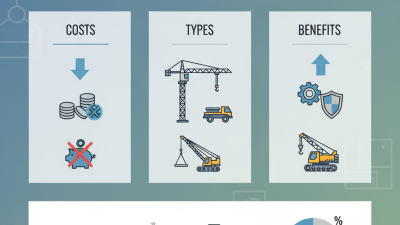
When selecting construction cranes, understanding cost factors is crucial. Crane procurement involves more than just upfront costs. You must consider long-term expenses and maintenance requirements. A cheap crane may lead to higher repair costs later on. Always factor in these potential expenses while creating your budget.
Budget constraints can limit your options. It's essential to evaluate the capabilities you need versus what you can afford. Some projects might require advanced features that significantly hike up the costs. In that case, compromises might be necessary. Rethink whether a simpler crane can accomplish the job efficiently.
Unexpected costs can arise during the procurement process. Delivery fees, setup charges, and training expenses should not be overlooked. A comprehensive budget should consider these elements to avoid overspending. Reflecting on prior projects can provide insights as well. Have similar situations cost you before? Bringing past experiences into the equation can help make wiser decisions.