Working with a self erecting tower crane can be both rewarding and challenging. This unique equipment lifts heavy materials high above construction sites. Understanding how to maximize its efficiency is crucial for success.
Safety is often overlooked in the excitement of using the self erecting tower crane. Operators may rush through setup, leading to potential accidents. Taking time to ensure stability and proper positioning can prevent mishaps.
Effective communication is vital when operating a self erecting tower crane. Signals must be clear among team members. Misunderstandings can lead to costly mistakes and delays. Recognizing these challenges will help improve performance and safety on site.

Self erecting tower cranes are integral to modern construction. They are designed for efficiency and convenience. These cranes can be set up quickly on-site and offer high lifting capacities. Typically, they can lift up to 20 tons. According to a recent industry report, these cranes are gaining popularity in urban construction due to limited space. They can reach heights of up to 60 meters, making them suitable for residential and commercial projects.
Their applications are diverse. From residential buildings to large commercial complexes, they enhance productivity. The self-erecting feature reduces labor costs. However, improper setup can lead to safety hazards. An estimated 10% of crane accidents derive from operator error. It’s essential to follow guidelines closely to mitigate risks. Training is crucial, yet not all operators receive adequate instruction.
One key advantage is mobility. They can be moved easily from one project to another. Despite their benefits, some operators overlook maintenance checks. Ignoring this can lead to mechanical failures and downtime. Understanding these issues can lead to better utilization of self erecting tower cranes. Regular assessments could enhance their operational efficiency.
Operating self-erecting tower cranes requires a focus on key safety precautions. The job site must be adequately assessed for risks. According to industry reports, nearly 60% of crane accidents result from improper setup. Awareness of wind conditions is crucial. High winds can destabilize the crane. Workers should monitor weather forecasts regularly.
Before operating, conduct thorough inspections. Verify that all mechanisms function correctly. A checklist can help ensure all aspects are covered. Missing a single issue can lead to accidents. Remember that 25% of crane incidents stem from mechanical failure. Proper maintenance is non-negotiable.
Training is another essential factor. Ensure that operators are well-trained. They should understand both the crane's capabilities and limitations. Inadequate training has been linked to many accidents. Establish a clear communication plan among all team members. Miscommunication can lead to misunderstandings and dangerous situations.
Safety first. Prioritize these practices for effective and safe crane operation.
Effective planning and setup procedures are crucial for the successful operation of self-erecting tower cranes. According to industry reports, improper setup accounts for over 30% of crane-related accidents. Therefore, site analysis is essential. Each job site has unique characteristics, such as ground stability and surrounding structures. Assessing these factors helps in selecting the right location for the crane.
The setup procedure itself requires careful coordination. Operators must ensure the crane is level and secure before lifting operations begin. Misalignment can lead to significant risks, including load drops. According to safety guidelines, 85% of crane accidents could have been prevented through better planning and setup. Additionally, communication among the team is vital. A clear dialogue can minimize confusion and ensure that everyone understands their roles during the setup.
Weather conditions should also be considered. Wind speeds above 20 mph can jeopardize crane stability. Implementing rigorous safety protocols, such as regular inspections and safety meetings, is a must. These measures not only promote safety but also enhance efficiency. However, it's important to remember that no plan is perfect. Continuous reflection and adaptation are necessary to improve processes. Striving for better practices can significantly reduce the margin for error in crane operations.
| Tip | Description | Benefits |
|---|---|---|
| 1. Training | Ensure all operators are properly trained on the self erecting tower crane. | Increases safety and efficiency on site. |
| 2. Planning | Develop a detailed lifting plan before work begins. | Reduces risk of errors and accidents. |
| 3. Load Assessment | Carefully assess load weights and dimensions. | Ensures the crane is not overloaded. |
| 4. Regular Inspections | Conduct regular checks on the crane's condition. | Prevents mechanical failures during operation. |
| 5. Site Preparation | Prepare the site to accommodate the crane's positioning. | Enhances stability and operational efficiency. |
| 6. Communication | Establish clear communication among team members. | Improves coordination and safety on site. |
| 7. Weather Consideration | Monitor weather conditions and plan operations accordingly. | Mitigates risks related to adverse weather. |
| 8. Use of Technology | Utilize technology for load monitoring and crane operation. | Enhances precision and efficiency. |
| 9. Safety Gear | Ensure all personnel wear appropriate safety gear. | Protects workers from potential hazards. |
| 10. Post-Operation Review | Conduct reviews after lifting operations for improvements. | Promotes continuous improvement in operations. |
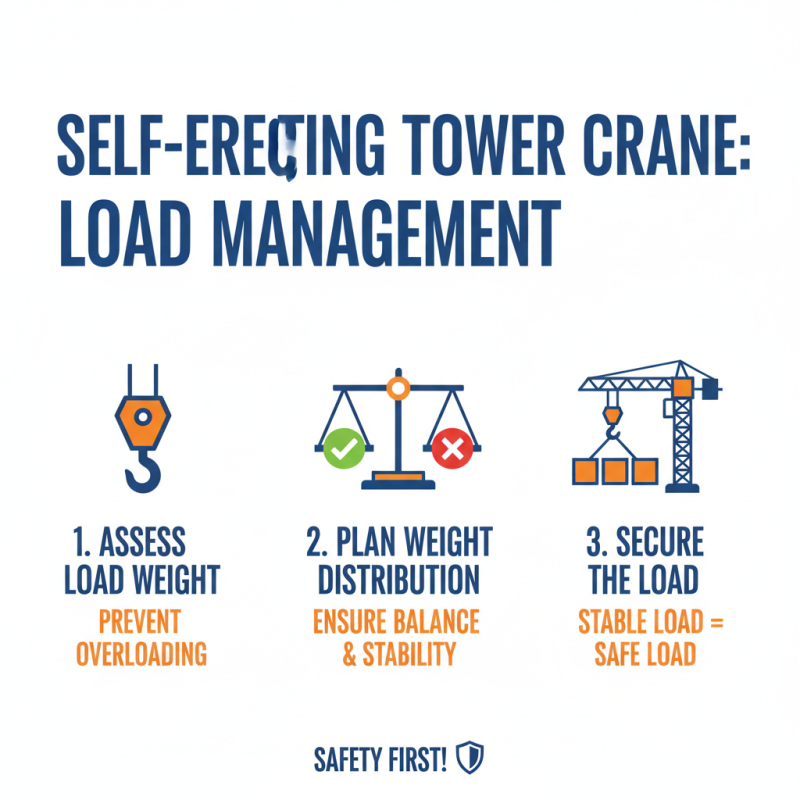
When using a self-erecting tower crane, proper load management is crucial. Operators should always assess the weight of the load before lifting. Overloading can lead to serious accidents and damage to the crane. Develop a clear plan for weight distribution. Ensure the load is balanced to avoid tipping during movement. Remember, a stable load is a safe load.
Weight distribution plays a vital role in operations. Attachments used during the lift should match the load's center of gravity. Placing the center of gravity too far to one side can cause instability. Operators might overlook small details, leading to risky situations. Regular training can help enhance awareness of these factors.
Monitoring is essential. Operators should frequently check the crane's responsiveness under varying loads. If something feels off during operation, pause and reassess. Always prioritize safety over speed. Encourage an environment where team members can voice concerns about potential dangers. Small adjustments can make a significant difference in maintaining safety.
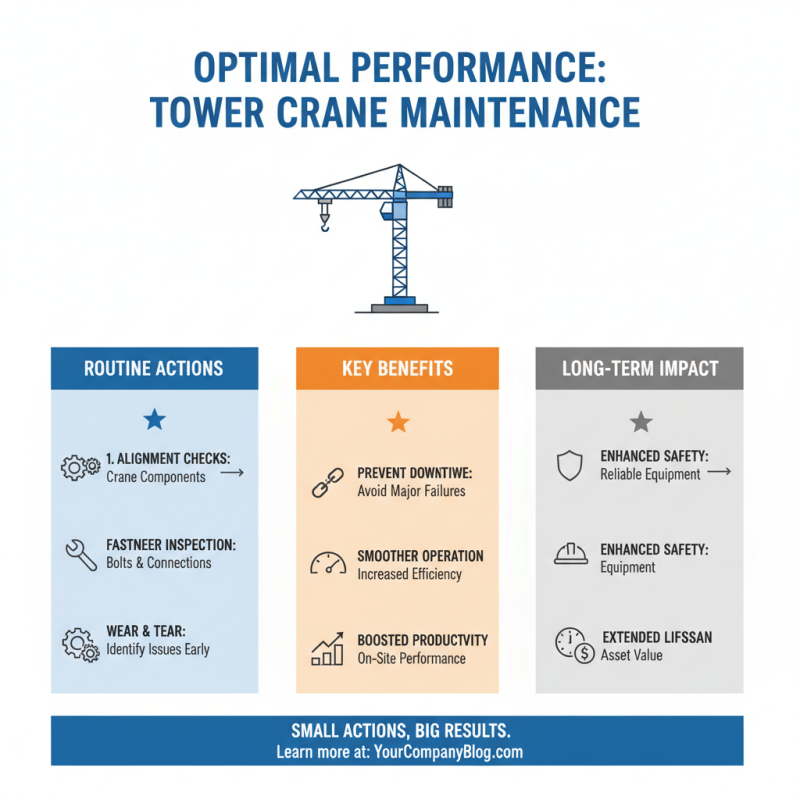
Routine maintenance and inspection are crucial for the optimal performance of self-erecting tower cranes. Aligning the crane's components regularly helps identify wear and tear. Checking for loose bolts and connections is vital. These small actions can prevent larger issues down the line. A well-maintained crane operates more smoothly and efficiently, boosting productivity on the job site.
Inspecting cables and hoists before use is critical. A single fray can lead to significant safety risks. Keeping all moving parts lubricated is another essential step. Lack of lubrication can cause unnecessary strain and wear. Operators should reflect on whether they adhere to maintenance schedules rigorously. Skipping even one inspection can compromise the entire operation.
Training crews on proper inspection procedures can enhance overall safety. Encourage a culture of accountability, where everyone reports potential problems. Timely inspections save not just costs but also lives. Remember, neglecting maintenance can lead to costly downtime and hazardous situations. Prioritizing these aspects will ensure that tower cranes operate effectively and safely.