Gooseneck Trailer Tips for Safe Towing and Usage?
Gooseneck Trailers are widely used for transporting heavy loads. Their unique design provides stability and control during towing. However, safe usage requires careful attention to detail.
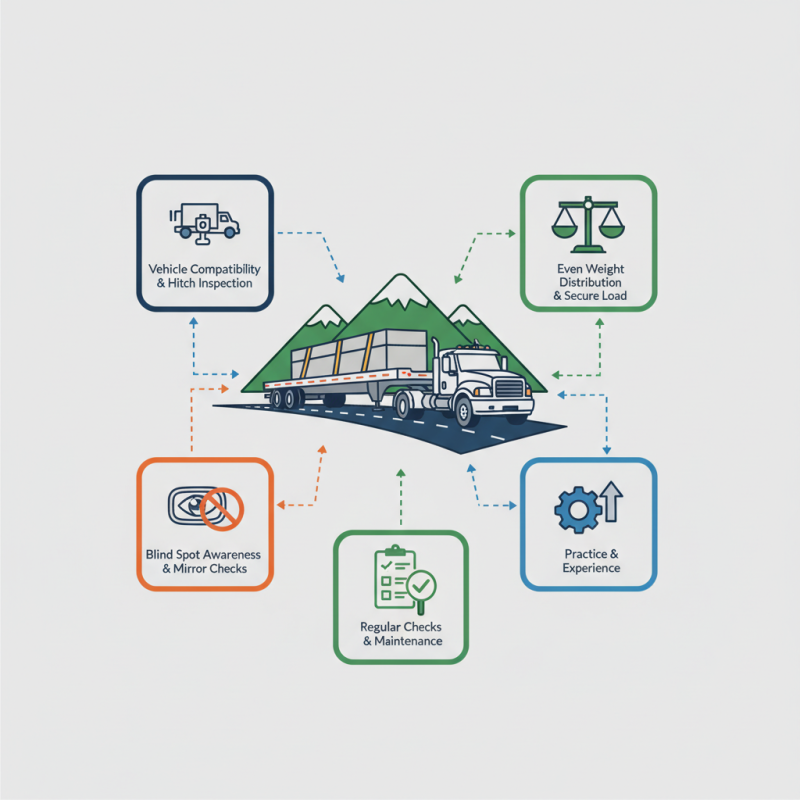
When using a Gooseneck trailer, ensure your towing vehicle is compatible. Inspect the hitch and connections regularly. An improperly secured load can lead to accidents. Always distribute weight evenly. This is crucial for safe towing.
Drivers must also be aware of blind spots. Check mirrors frequently to maintain visibility. It's easy to overlook these details. Reflecting on past experiences can improve safety. Practicing these tips can lead to a more secure and efficient towing experience.
Understanding Gooseneck Trailers: Types and Features
Gooseneck trailers are unique and versatile. They connect to trucks via a ball hitch mounted in the truck bed. This design allows for better weight distribution. It also improves maneuverability, especially when navigating tight corners.
There are various types of gooseneck trailers. Flatbed goosenecks are common for transporting heavy equipment. Some have enclosed designs to protect cargo. Others are specialized for livestock transportation. Each type has its features and is suited for different tasks. Understanding these characteristics is crucial before making a choice.
Using a gooseneck trailer requires careful thought. Towing capacity is vital. Not every vehicle can handle a heavy load. Safety should always come first. Make sure the connections are secure. Check tire pressure regularly. Neglecting these basics can lead to accidents. Always reflect on your skills to avoid overestimating your abilities.
Essential Equipment for Safe Gooseneck Towing
When it comes to safe gooseneck towing, having the right equipment is crucial. A sturdy gooseneck hitch is essential. It should fit your vehicle and trailer perfectly. Check the weight rating. Using the wrong hitch can lead to dangerous situations.
Before towing, always inspect the trailer. Look at the tires, brakes, and lights. Make sure everything is functioning well. If a light is out, repair it before hitting the road. A detailed checklist can help avoid mistakes. Simple oversights can lead to bigger issues.
Also, consider using additional safety features. A sway control system can help stabilize your load. If your trailer starts to sway, this can be a lifesaver. Additionally, breakaway systems are vital. They automatically apply brakes if the trailer detaches. These small details make a big difference in safety. Be proactive about your setup. Stay vigilant and prepared on the road.
Gooseneck Trailer Tips for Safe Towing and Usage
| Tip | Description | Safety Equipment | Maintenance Frequency |
| Check Weight Limits | Always ensure that your trailer's load does not exceed the manufacturer's specified weight limits. | Weight Distribution Bars | Before Each Trip |
| Inspect Hitch Connection | Regularly check that the gooseneck hitch is securely connected to the tow vehicle. | Hitch Locks | Before Each Trip |
| Use Safety Chains | Always use safety chains as a backup in case the hitch fails while towing. | Safety Chains | Before Each Trip |
| Monitor Tire Condition | Check tire pressure and tread before each trip to ensure optimal handling and safety. | Tire Pressure Gauge | Before Each Trip |
| Practice Maneuvering | Get familiar with the handling and turning radius of your trailer before driving on roads. | Cones or Markers for Practice | As Needed |
Step-by-Step Guide to Properly Hooking Up a Gooseneck Trailer
When hooking up a gooseneck trailer, safety is paramount. Start by ensuring your truck's tow capacity exceeds the trailer's weight. The Council for Automotive Research estimates that over 30% of towing accidents stem from improper weight distribution. Check your load and adjust it for balance. Uneven loads can cause dangerous sway and instability.
Next, focus on the coupling mechanism. Lower the trailer onto the hitch until it locks in place. A survey indicates that 12% of towing incidents occur because of unlatched couplings. Always perform a visual inspection. Look for wear or damage in the hitch and safety chains. This step is often overlooked but can prevent serious accidents.
After securing the trailer, perform a test drive. This allows you to feel if everything is in place. Many drivers report they didn’t experience issues until they were on the road for miles. Remember, constant vigilance is key. Adjust your driving style. Allow for longer stopping distances and avoid sharp turns. Practicing these steps can significantly enhance your towing experience.
Gooseneck Trailer Towing Safety Tips Overview
Best Practices for Gooseneck Trailer Loading and Weight Distribution
When loading a gooseneck trailer, weight distribution is crucial for safe towing. Place heavier items closer to the front. This stabilizes the trailer and improves handling. A common mistake is overloading the rear. It can lead to swaying or control issues.
Ensure the load is secure. Use straps and chains effectively. Loose items can shift during transit. Regularly check the tie-downs. They may need adjustments as you drive. Pay attention to how the trailer handles. If you notice swaying, reassess your load.
After loading, check the trailer hitch. Make sure everything is tight and secure. An improperly hitched trailer can be dangerous. This is an easy step that should never be overlooked. Remember to review your setup before starting your journey.
Maintenance Tips for Long-lasting Gooseneck Trailer Performance
To ensure your gooseneck trailer lasts, regular maintenance is crucial. Check the tires often. Look for wear and tear. Ensure they're inflated properly. Under-inflated tires can lead to accidents. Replace them when necessary.
Inspect the hitch and coupling. Lubricate moving parts to prevent rust. This helps maintain smooth operations. Neglecting this could lead to serious issues on the road. Clean the trailer regularly, especially after hauling heavy loads. Dirt can wear down the paint and structure.
Lighting is another critical area. Test your trailer lights frequently. Faulty lights can cause trouble during trips. Ensure wiring is intact and connections are secure. Even minor issues can escalate. Keeping an eye on these details pays off.