2026 How to Choose the Right Crane Truck for Your Needs?
Choosing the right crane truck can be a daunting task. According to industry expert John Smith, “Selecting the proper crane truck is crucial for efficiency and safety.” This insight highlights the importance of understanding your specific needs when navigating the crane truck market.
Different projects require different crane trucks. Each type has distinct features and capabilities tailored for various tasks. It's essential to assess your job requirements, the weight of materials, and the terrain you will encounter. Not all crane trucks are equipped for every job. The wrong choice can lead to delays and increased costs.
Considering fuel efficiency, load capacity, and height restrictions can make the difference. Test driving models can reveal how well they handle. Many people overlook this step, assuming specifications are sufficient. Reflecting on your experience can help identify what features truly matter. Your choice could impact not just efficiency but safety on the site. It’s worth taking the time to ponder these details carefully.

Understanding the Different Types of Crane Trucks Available
When choosing a crane truck, understanding the different types available is crucial. There are various styles, each with unique features. Some models are designed for heavy lifting, while others offer versatility and maneuverability. Knowing your specific requirements makes a big difference in your selection.
Consider your lifting needs. If you need to lift heavy loads, a crawler crane might be the best choice. These cranes can navigate rough terrain and provide stability. On the other hand, a truck-mounted crane is good for projects in urban areas due to its mobility.
Tips: Measure the weight of your typical loads. This helps in selecting the right capacity. Verify job site conditions, too. Is it flat or uneven? Each type of crane functions best in specific environments. Take your time understanding which crane fits your site. It's easy to overlook, but the right choice saves you money in the long run.
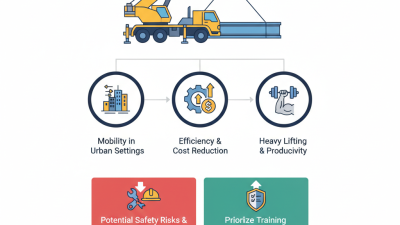
Understanding Different Types of Crane Trucks
Evaluating Load Capacity Requirements for Your Specific Tasks
When choosing a crane truck, load capacity is critical. It defines what the crane can lift and move. According to industry reports, most construction projects require a crane with a load capacity of at least 10 tons. However, specific tasks may demand more. Analyzing the weight of the materials you'll handle is essential to make an informed choice.
It's vital to evaluate all lifting scenarios. For instance, lifting steel beams often requires a higher capacity than lifting pallets of bricks. Underestimating load requirements can lead to unsafe situations and project delays. Before finalizing your decision, consider consulting detailed capacity charts that outline crane specifications.
Tip: Always conduct a site analysis. Understanding space constraints can pinpoint the required crane size. For heavy loads, err on the side of caution and opt for a crane with a higher capacity.
Keep in mind that cranes have different capacities depending on the boom angle and outreach. This makes precise calculation essential. Occasionally, operators overlook these factors, leading to potential safety hazards. Be diligent about confirming that your crane aligns with your project's specific needs.
Assessing the Crane Truck's Reach and Height Limitations
When looking for a crane truck, assessing its reach and height limitations is crucial. Different jobs require varying heights and distances. If your project involves lifting materials to great heights, the crane's vertical reach must meet these demands. Measure the height of the tallest structure you'll be servicing. This ensures your crane can perform efficiently.
Consider the weight the truck will handle as well. A high reach does not always correspond with lifting capacity. A crane might be tall but could struggle with heavy loads. It's essential to balance both capabilities. Check weight charts provided by manufacturers, but keep in mind they may not reflect real-life conditions.
**Tip:** Always allow for additional height clearance. Buildings often have hidden elements like antennas. Such considerations prevent costly mistakes.
Understand your terrain as well. Lifting over obstacles like power lines demands more thoughtful planning. Identify how your crane will operate in real-world settings. It’s not just about specifications on paper.
**Tip:** Test the crane’s capabilities under controlled conditions before the actual job. This provides a clear view of its performance.
Ultimately, reach and height limitations guide your choice effectively. Balancing these with other specifications ensures you select the best crane truck for your needs.
Analyzing Budget and Operating Costs for Long-Term Use
Choosing the right crane truck involves careful consideration of budget and operating costs. When assessing your finances, account for the initial purchase price. A higher upfront cost might seem daunting, but it could mean better long-term value. Look at features such as lift capacity and reach. A crane with better specifications can reduce costs over time by boosting efficiency.
Operating costs are equally crucial. Fuel consumption is one area to examine. A crane truck that uses less fuel lowers your monthly expenses. Routine maintenance is another factor. Regular checks can prevent costly repairs down the line. However, it's easy to overlook this aspect. Consider how often you'll use the truck and how this affects the upkeep budget.
Think about financing options too. Monthly payments might be more manageable than a lump sum. However, interest rates can eat into your overall budget. Weigh the benefits against potential pitfalls. Reflect on your actual needs and usage frequency. Finding the right balance will ensure the crane truck serves you well in the long run.