Why Construction Cranes Are Essential for Modern Building Projects?
In the ever-evolving world of construction, the role of construction cranes remains critical. According to industry expert Dr. John Sampson, “Construction cranes are the backbone of any large-scale project.” This statement underscores the importance of these machines in ensuring efficiency and safety on job sites.
Construction cranes allow workers to lift heavy materials high into the air with precision. Without them, modern skyscrapers would struggle to reach their heights. The ability to move large loads swiftly enhances productivity and keeps projects on schedule. However, operating these impressive machines comes with its challenges. Regular maintenance and skilled operators are vital for safety.
Despite their significance, many still underestimate the complexities involved in crane operations. Mismanagement can lead to delays or even accidents. Proper training and adherence to safety regulations are essential. As construction continues to advance, so too must our understanding of how construction cranes facilitate this growth.
The Role of Construction Cranes in Modern Building Projects
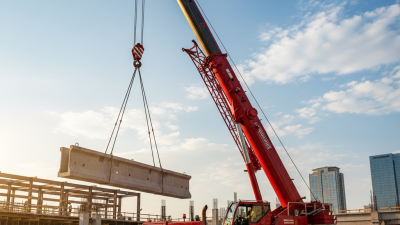
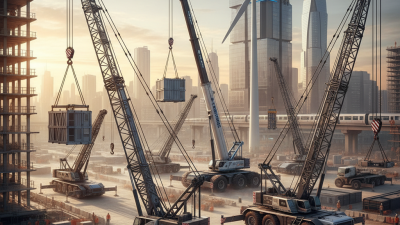
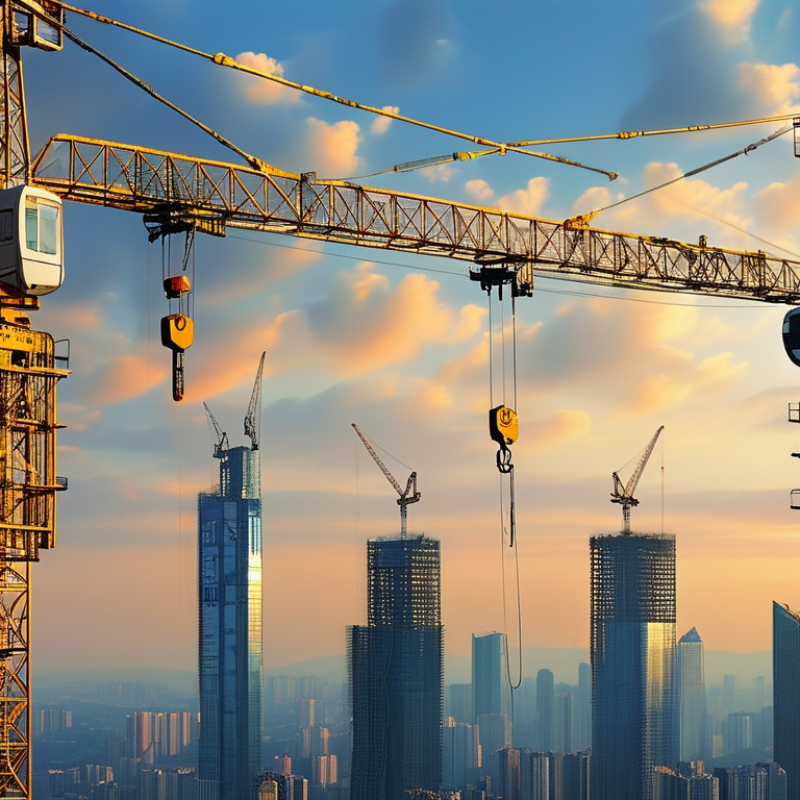
Construction cranes play a pivotal role in modern building projects. These towering machines enable the vertical and horizontal movement of heavy materials, making them indispensable on construction sites. From steel beams to heavy concrete blocks, cranes transport materials efficiently. This capability accelerates project timelines and increases safety on site. Without cranes, the logistics of moving heavy loads would be cumbersome and dangerous.
The versatility of cranes cannot be overstated. Different types cater to various needs: tower cranes for tall buildings, mobile cranes for flexibility, and crawler cranes for stability. Each type has its strengths and limitations. For instance, while a tower crane can reach great heights, it may not be as mobile as a truck-mounted crane. This variance means project managers must carefully evaluate their specific needs, reflecting on the site layout and material requirements.
However, reliance on cranes poses challenges. Operators require specialized training to handle these machines effectively. Mishandling can lead to accidents and delays. Moreover, environmental conditions, such as high winds or rain, can impact crane operations. Construction teams must remain adaptable and prepared for potential disruptions. This reflection on crane operation emphasizes the importance of experience and expert knowledge in ensuring a successful construction project.
Importance of Construction Cranes in Modern Building Projects
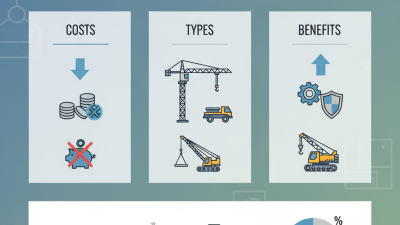
This chart illustrates the distribution of different crane types used in various building projects. Understanding the relevance of each type helps highlight their importance in modern construction.
Types of Cranes Used in the Construction Industry
Cranes play a vital role in the construction industry. They allow for the efficient lifting of heavy materials, which is crucial for large projects. Various types of cranes are used depending on the specific needs of each project.
Tower cranes are common in urban construction. They rise high to reach tall buildings. These cranes can lift materials over significant distances, making them ideal for skyscrapers. Meanwhile, mobile cranes offer versatility. They can move across different job sites, making them perfect for smaller projects. Their ability to navigate tight spaces is a significant advantage.
When choosing a crane, consider your project's scale. Ensure the crane can handle the lift capacity you need. It’s wise to consult professionals to understand what crane suits your project best. Familiarize yourself with local regulations regarding crane operation. Always prioritize safety. Proper training for crane operators is essential. This reduces risk and increases efficiency on site.
Operational Benefits of Using Cranes on Construction Sites
Cranes play a pivotal role in modern construction. Their ability to lift heavy materials simplifies complex tasks. Imagine a crane hoisting steel beams high into the sky. This allows builders to create sturdy frameworks for skyscrapers. The precision and efficiency of cranes reduce manual labor risks. Workers can stay safer on the ground while machines handle the heavy lifting.
Operational benefits extend beyond efficiency. Cranes can navigate tight spaces, making them versatile on crowded job sites. Their reach minimizes the need for extra equipment, saving costs. However, it's essential to regularly maintain these machines. Neglected cranes can lead to accidents or project delays. Construction sites need to prioritize proper training, ensuring operators are skilled and cautious.
Despite their advantages, cranes can pose challenges. Operators must be aware of surrounding structures. Miscommunication can lead to danger. Project timelines can also be affected by adverse weather conditions. Working with cranes requires careful planning and flexibility. It's a dance of logistics that demands attention to detail and foresight.
Safety Considerations When Utilizing Cranes
When utilizing cranes in construction, safety is paramount. Data from the Occupational Safety and Health Administration (OSHA) indicates that approximately 42% of construction worker fatalities involve falls, being struck by an object, electrocution, or being caught in/between objects. Proper crane operation can significantly reduce these risks. Employing trained professionals to manage crane operations ensures adherence to safety protocols. This reduces accidents and provides a safer work environment.
Crane safety measures include regular inspections and maintenance. The National Commission for the Certification of Crane Operators (NCCCO) emphasizes the importance of conducting thorough pre-lift inspections. These checklists should cover limit switches, boom angles, and load capacities. Additionally, a study found that nearly 75% of crane accidents occur due to human error. Implementing rigorous training programs is essential for crane operators. Investing time and resources in training could mitigate these human errors, enhancing overall site safety.
Equipment failure also poses significant risks. The American Society of Safety Professionals (ASSP) reports that outdated equipment contributes to nearly 23% of crane-related accidents. Regular updates and adherence to manufacturer guidelines can help maintain equipment reliability. Construction sites must prioritize both operator training and equipment maintenance to ensure the highest safety standards.
Why Construction Cranes Are Essential for Modern Building Projects? - Safety Considerations When Utilizing Cranes
| Cranes Type |
Max Load Capacity (tons) |
Height Reach (meters) |
Typical Use Cases |
Safety Features |
| Tower Crane |
20 |
60 |
High-rise buildings |
Load moment limiter |
| Mobile Crane |
30 |
40 |
Construction sites with limited space |
Stabilizers |
| Crawler Crane |
50 |
80 |
Heavy lifting in rugged terrain |
Anti-sway system |
| Truck-mounted Crane |
25 |
30 |
Transportation and small projects |
Swing-away jib |
Future Innovations in Crane Technology for Construction
The future of crane technology in construction is bright. Innovations are reshaping how we build, making projects safer and more efficient. Data from the
International Crane and Rigging Conference suggests that advancements in automation are set to reduce operational costs by up to 20%. This can significantly impact project budgets, allowing for more investment in sustainable practices.
Moreover, developments in lightweight materials are crucial. Modern cranes are integrating advanced composites that enhance lifting capacity and reduce fuel consumption. A report from the
Construction Industry Institute indicates that cranes using these materials can increase load capacity by nearly 30%. This not only improves efficiency but also minimizes the environmental footprint of construction activities, a pressing concern in today’s building landscape.
Despite these advancements, the industry must address certain challenges. Cybersecurity risks associated with automated systems are growing. The reliance on technology may make cranes vulnerable to hacking incidents, posing safety risks. Additionally, training for operators needs to keep pace with these innovations. As we embrace technology, creating a skilled workforce is essential to harness its full potential. The road ahead is full of promise, but it demands careful navigation.