Why is a Luffing Crane Essential for Modern Construction Projects?
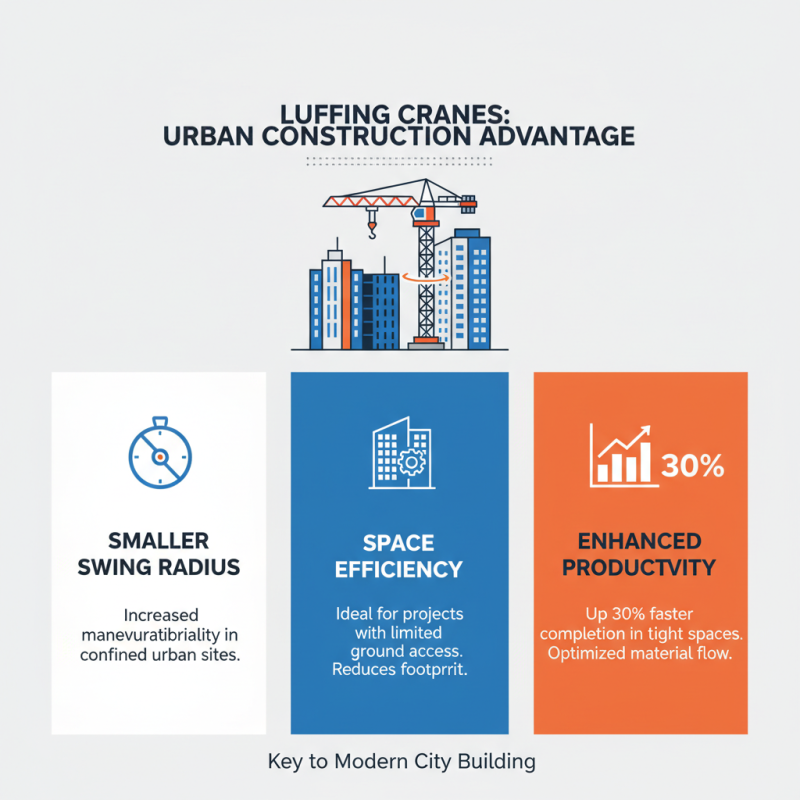
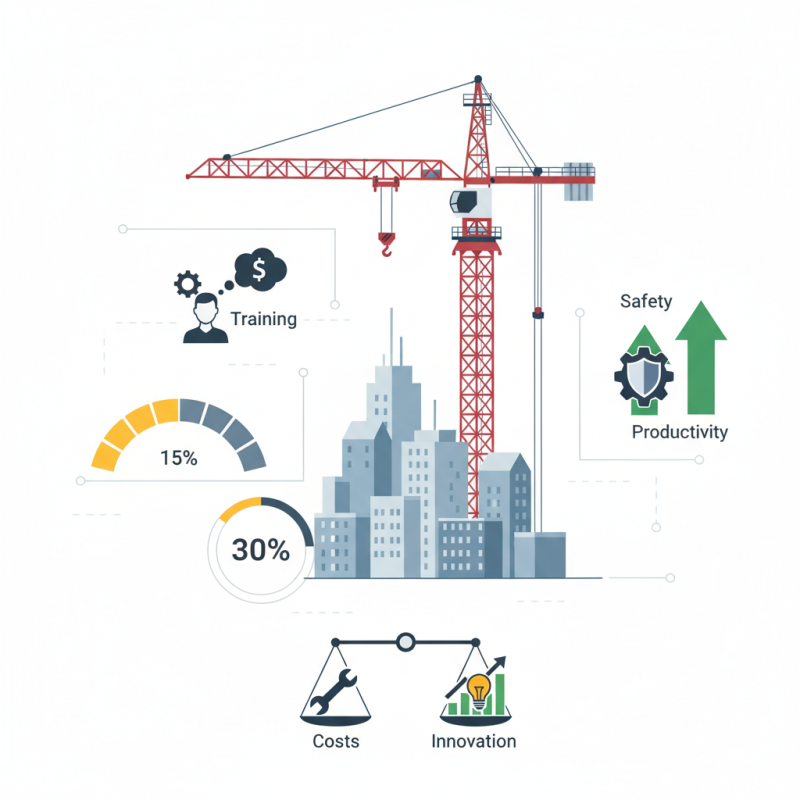
In the realm of modern construction, the luffing crane stands out as an essential asset. According to a recent report by the Construction Industry Institute, utilizing luffing cranes can reduce on-site space requirements by up to 30%. This is particularly advantageous in urban areas, where construction projects are often constrained by tight quarters and high-rise developments. The unique design of a luffing crane allows it to operate with a reduced swing radius, making it suitable for congested job sites.
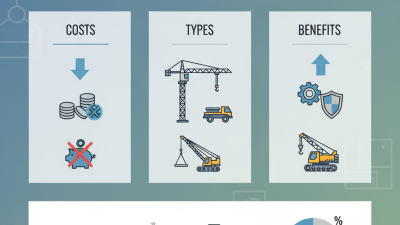
However, despite its efficiency, not all projects can benefit equally from a luffing crane. Challenges may arise in training operators or in the initial costs of acquisition. Reports indicate that approximately 15% of construction sites struggle with the implementation of specialized equipment like luffing cranes. This highlights the need for thoughtful planning and training within project management teams.
As the industry evolves, the demand for advanced lifting solutions continues to grow. A luffing crane not only improves safety but also enhances productivity. Construction managers must weigh the costs against the potential for improved workflow. Ultimately, embracing innovations like the luffing crane could mark a significant shift in construction efficiency and site management.
Importance of Luffing Cranes in Urban Construction Environments
Luffing cranes play a critical role in urban construction environments. They excel in tight spaces where traditional cranes cannot operate effectively. According to a report by the International Organization for Standardization, urban construction sites often face restrictions due to space and height limitations. Here, luffing cranes become indispensable.
These cranes have a unique ability to move their jib up and down, which minimizes the swing of loads. This feature is essential in crowded urban settings, where over-swing can pose risks to surrounding buildings and pedestrians. Studies indicate that using luffing cranes can reduce the likelihood of accidents by up to 30%. Builders appreciate their versatility, especially on high-rise developments where lifting height is crucial.
**Tip:** When selecting a luffing crane, consider its lifting capacity versus job site requirements. Too much capacity can lead to wasted resources.
Furthermore, logistics play a vital role in urban projects. Luffing cranes enable better scheduling and sequencing of construction activities, optimizing workflow. However, effective planning is essential to maximize these cranes' benefits. Inefficient use may lead to delays and increased costs.
**Tip:** Always analyze site layout before crane deployment. A well-planned layout can significantly enhance operational efficiency.
Importance of Luffing Cranes in Urban Construction
This bar chart illustrates the importance of luffing cranes in urban construction environments, highlighting key benefits such as increased efficiency, reduced footprint, safety enhancements, versatility, and cost-effectiveness.
Advantages of Luffing Cranes over Traditional Cranes
Luffing cranes are becoming popular in modern construction projects. They offer several advantages over traditional cranes. One major benefit is their ability to operate in tight spaces. Their unique design allows the boom to move up and down, saving valuable ground space. This is crucial for urban environments where space is limited.
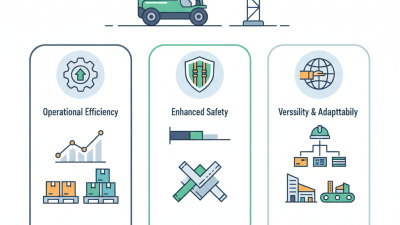
Another key advantage is improved safety. Luffing cranes can lift loads without swinging. This reduces the risk of accidents and enhances site safety. For workers, this means a safer environment. However, operators need proper training to handle these machines. It can be challenging at first.
Furthermore, luffing cranes are more efficient in terms of energy use. They often consume less fuel compared to traditional cranes. This efficiency can lead to lower operating costs over time. Yet, maintenance should not be overlooked. Regular checks are essential for maintaining optimal performance. In summary, luffing cranes provide significant benefits, but operators must remain vigilant and proactive in their use.
Key Features of Luffing Cranes for Modern Projects
Luffing cranes play a vital role in modern construction projects. Their unique design offers significant advantages, especially in urban settings. Unlike traditional cranes, luffing cranes have a much smaller swing radius. This feature allows for better maneuverability in confined spaces. Data shows that luffing cranes can increase efficiency by up to 30% on projects with limited ground space.
One key feature of luffing cranes is their ability to handle heavy loads while minimizing their footprint. They can lift loads vertically, which is crucial when working near other buildings. A report from the Construction Industry Institute highlights that the adoption of these cranes has led to a 15% reduction in project times. This efficiency is essential as deadlines become tighter in today's fast-paced construction environment.
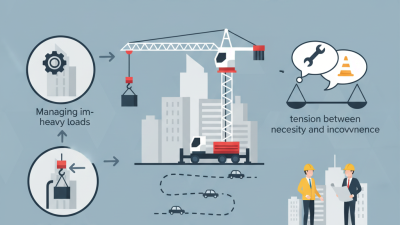
However, the operation of luffing cranes requires skilled personnel. Inadequate training can lead to safety risks. Workers need to understand the intricacies of load management and crane operation. While luffing cranes are beneficial, site managers must ensure proper protocols are followed. This balance of efficiency and safety is crucial in modern projects.
Safety Considerations When Using Luffing Cranes
Luffing cranes play a vital role in modern construction. They maneuver in tight spaces and reduce the risk of nearby obstructions. However, safety is a primary concern when using these cranes. High altitudes and heavy loads contribute to hazards that require careful consideration.
When operating a luffing crane, it is crucial to conduct thorough inspections. Operators should check for equipment integrity daily. Look for wear and tear. A loose cable can lead to accidents. Operators must be trained and certified for the specific crane being used. Understanding the crane's mechanics can prevent mishaps.
Tips: Always maintain communication with ground workers. Use walkie-talkies to keep everyone informed. Visibility is critical. Utilize spotters to guide the crane while it's in operation. This reduces the chances of accidents. Lastly, never exceed the crane's load limits. An overloaded crane is a recipe for disaster. Always prioritize safety over haste.
Why is a Luffing Crane Essential for Modern Construction Projects? - Safety Considerations When Using Luffing Cranes
| Safety Feature |
Description |
Importance |
| Load Limiter |
Automatically prevents overload by measuring the weight of the lifted load. |
Protects the crane and workers from dangerous overload situations. |
| Anti-collision System |
Detects potential collisions with other structures or equipment. |
Increases overall site safety by reducing accident risks. |
| Rotating Safety Mechanism |
Allows the crane to rotate without risking impacts from surrounding structures. |
Essential for maintaining safe operation in dense urban environments. |
| Operator Training |
Comprehensive training programs for crane operators. |
Ensures skilled operation and reduces human error. |
| Regular Maintenance Checks |
Scheduled inspections and maintenance to ensure crane functionality. |
Prevents accidents due to equipment failure through proactive care. |
Impact of Luffing Cranes on Project Efficiency and Productivity
Luffing cranes have become vital in modern construction. Their unique design allows them to operate in tight spaces. This is crucial for urban projects where space is a premium. A recent industry report indicated that construction projects utilizing luffing cranes can improve efficiency by up to 25%. This increased efficiency leads to faster project completion times.
Moreover, luffing cranes can reduce the number of cranes needed on-site. Fewer cranes mean less congestion, which often improves safety. The same report revealed that sites with multiple cranes face a 40% higher risk of accidents compared to those with luffing cranes.
However, some projects may struggle to adapt to this technology. Training and costs can be barriers. Not every construction crew is familiar with their operation.
Despite the challenges, the benefits of luffing cranes outweigh the drawbacks. Projects can harness their potential for productivity. Luffing cranes not only save time but also optimize space usage. As construction evolves, the need for such equipment will likely increase. However, teams must continuously learn to maximize their effectiveness.