2026 How to Select the Best Crawler Crane Rental for Your Project?
In the construction industry, selecting the right crawler crane rental can significantly impact project success. According to industry expert John Smith, "Choosing the right crawler crane is crucial for efficiency and safety." His experience underscores the importance of understanding your project’s specific needs.
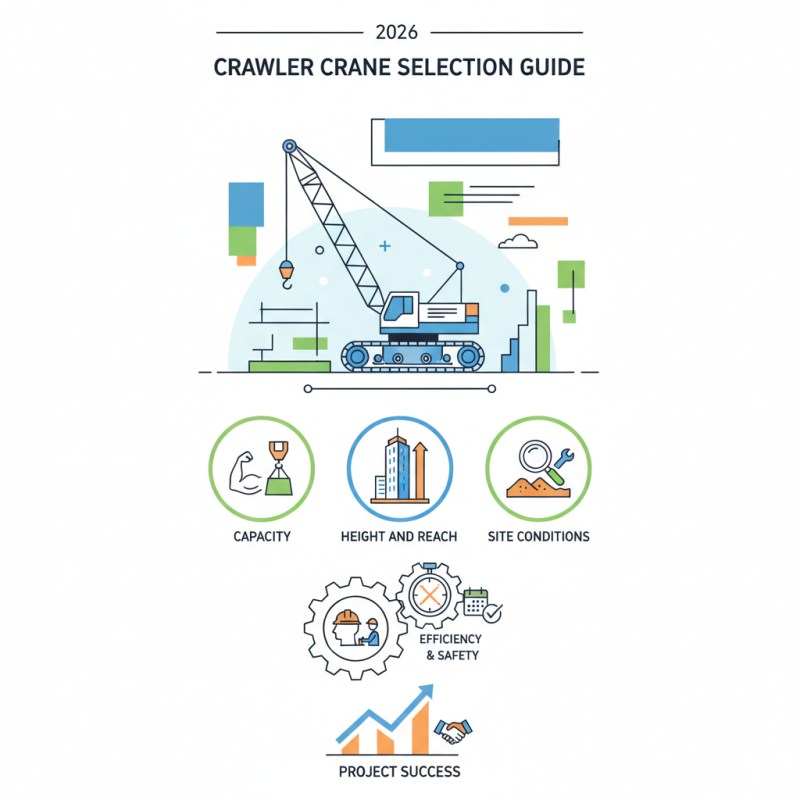
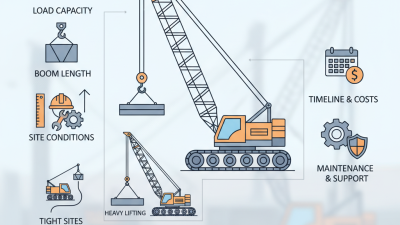
When renting a crawler crane, consider capacity, height, and reach. It’s essential to assess the site conditions and potential challenges. For instance, a job with tight spaces may require a model with a shorter boom. Not all operators are experienced, so assess their skills as well.
Mistakes can be costly. Many projects face delays due to improper equipment choice. Reflecting on past experiences can lead to better decisions. The right crawler crane rental not only ensures safety but also enhances productivity on site.
Understanding Crawler Cranes: Types and Their Applications in Construction
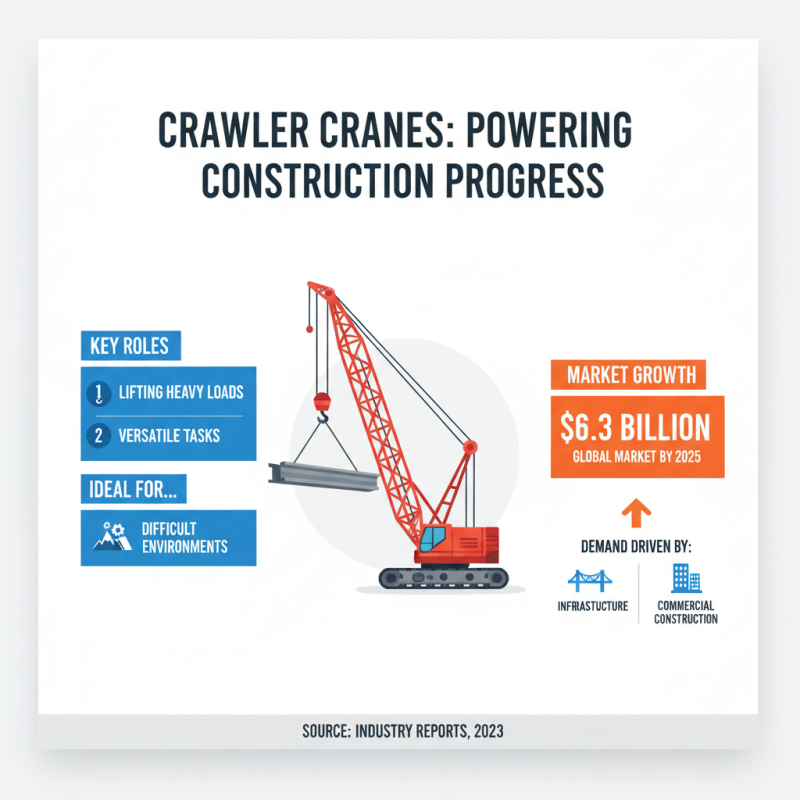
Crawler cranes play a vital role in construction. Their versatility makes them suitable for various tasks. These machines are ideal for lifting heavy loads in difficult environments. According to recent reports, the global crawler crane market is forecasted to reach $6.3 billion by 2025. This data reflects the increasing demand in sectors like infrastructure and commercial construction.
There are different types of crawler cranes. Each type serves a unique purpose. For instance, lattice boom cranes are often used for large-scale operations. They provide stability and can lift massive weights. In contrast, telescopic cranes are more mobile. They are perfect for tighter spaces and quick setups. However, their limited reach can be a drawback.
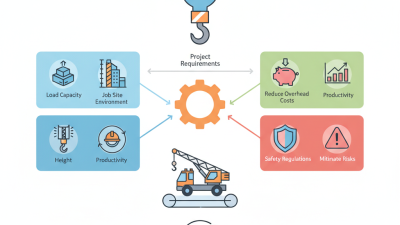
Understanding the specific requirements of your project is crucial. Consider factors like load capacity, site conditions, and operational efficiency. It’s not only about picking the biggest machine. Ensure the chosen crane aligns with your project's objectives. Misjudging this can lead to delays and increased costs. Always evaluate your needs carefully. Aim for practicality over trends.
Key Factors to Consider When Renting Crawler Cranes for Projects
When selecting a crawler crane rental, consider the project's specific needs. The weight capacity is crucial. Assess the load dimensions and the site's accessibility. Ensure the crane can operate efficiently in the available space. Different projects require varying lifting heights and reach.
Cost is another factor to evaluate. Rentals can vary dramatically in price. Compare quotes from different providers. Also, look at additional fees. Unexpected costs can arise, so check the fine print. It can be overwhelming.
Evaluate the operator's experience with the specific crane model. Skilled operators lead to safer, more efficient work. Lack of experience can cause delays and increase risks. Don't hesitate to ask for references. Ensure they understand the equipment. Equipment maintenance history also matters. A well-maintained crane reduces delays.
Evaluating Rental Rates: Cost Analysis of Crawler Crane Options
When renting a crawler crane, evaluating rental rates is crucial. Consider various factors such as lifting capacity, reach, and the duration of your project. Rental costs can vary widely. Some companies might offer lower rates but high delivery fees. Check each quote carefully.
It's essential to understand how rental rates work. Daily, weekly, or monthly rentals exist. Short-term rentals may seem cheaper but can add up quickly. Assessing your project's needs accurately will help you avoid overspending. Are you sure you need that much lifting capacity? Sometimes, a smaller crane suffices.
Additionally, hidden costs can arise. Some rentals may include maintenance fees, transportation costs, and insurance. Ensure you clarify all costs upfront. Discuss everything with the rental company. Transparency is vital for a smooth rental experience. Always be ready to negotiate. A little back and forth can potentially save significant money.
Assessing Crane Capacity and Load Requirements for Your Project
Selecting the right crawler crane rental starts with understanding your project's load requirements. Assess the weight and dimensions of the materials you need to lift. This includes beams, concrete blocks, or any heavy machinery. Knowing these details helps to match the crane's capacity effectively.
Consider the load charts provided by the rental company. They indicate the maximum lifting capabilities at various radius points. For instance, a crane might lift a heavy load at a short distance but struggle further out. It's crucial to validate these charts with real project conditions.
Sometimes, the site itself affects crane performance. Soft or uneven ground can limit a crane's stability. Always reflect on how this impacts your load requirements. If the project involves multiple lifts, a stronger crane may be needed than anticipated. Be prepared for surprises that could arise during the project.
Safety Standards and Compliance: Ensuring Reliable Crawler Crane Rentals
When renting a crawler crane, safety standards are crucial. Ensure the rental company adheres to local and national regulations. This includes operator training and equipment inspections. An unsafe crane can lead to accidents, injuries, and project delays.
Check compliance certificates before signing a rental agreement. Ask about the crane's maintenance history and previous inspections. These details indicate how well the equipment is cared for. A machine that hasn’t been inspected recently may pose risks. Be aware of the limitations and capabilities of the equipment as well.
Consider the working environment too. Ensure that the crane is suitable for the specific site conditions. Factors like ground stability and height restrictions matter. Choosing the wrong equipment can lead to unsafe situations and costly adjustments. Look for open communication with the rental company. This helps to address concerns and ensures reliability throughout the project.