What Is a Small Crane Truck and How Does It Work?

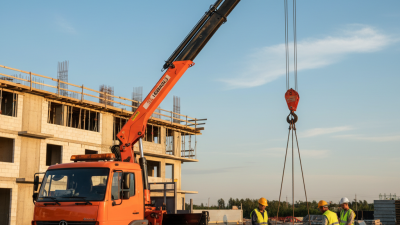
A small crane truck combines road transport with compact lifting power. It carries materials, reaches confined sites, and reduces separate equipment movements. Its basic system includes a truck chassis, hydraulic pump, boom, stabilizers, controls, and load-monitoring devices. The hydraulic pump sends pressurized oil through valves. That pressure extends the boom and operates the lifting cylinder.

Industry reports show why this equipment matters. Grand View Research identifies mobile cranes as a growing global equipment segment, supported by construction, utilities, logistics, and infrastructure maintenance. The International Powered Access Federation also reports continuing demand for safer access and lifting practices across work sites. However, these reports often group truck-mounted cranes with larger mobile machines. That makes small crane truck figures difficult to isolate. The limitation matters.

Mike Parnell, a recognized lifting and rigging educator, repeatedly emphasizes, “There is no such thing as a routine lift.” His warning fits this equipment precisely. A compact truck may look simple beside a heavy crawler crane. It can still overturn when the ground is weak, the load swings, or the stabilizers are poorly positioned.

Imagine a loaded pallet beside a narrow warehouse entrance. The operator parks, deploys four stabilizers, checks the radius, and lifts slowly. Load weight, boom angle, wind, and truck level all affect capacity. The rated chart is not decoration. It is the operating boundary.

This guide explains what a small crane truck is, how its hydraulic and structural systems work, and where practical judgment remains essential. Specifications help. Experience decides. Even a careful explanation may overlook site-specific risks, so qualified operators must verify every lift plan.
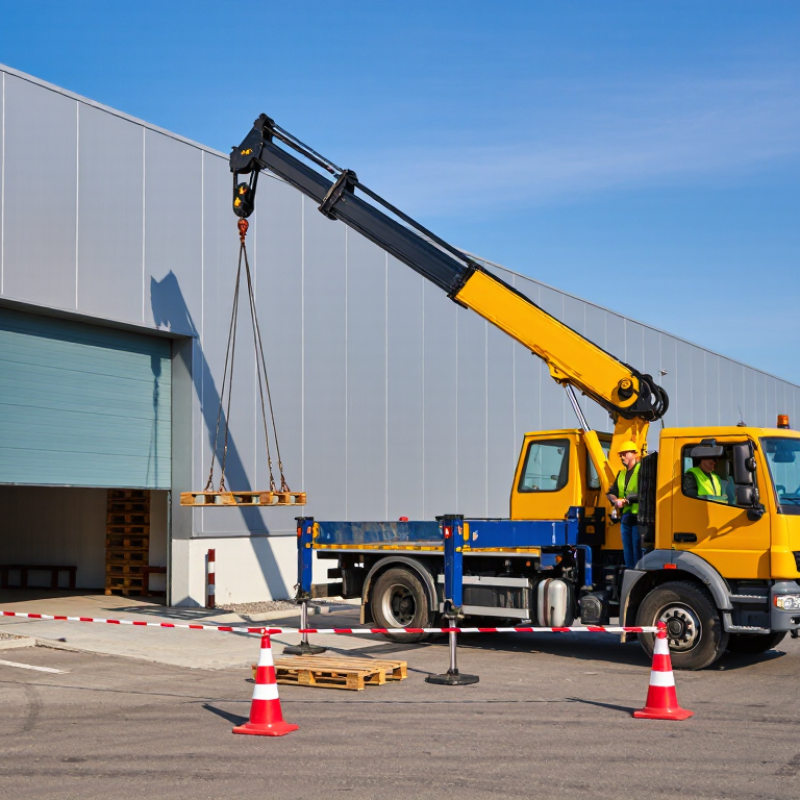
What Is a Small Crane Truck and How Does It Work?

Small Crane Truck: Definition, Main Components, and Typical Uses

A small crane truck combines a compact carrier with a mounted lifting system. It moves materials and performs lifting work from one location. Unlike a fixed crane, it can travel between nearby work areas. Its smaller frame suits narrow streets, building sites, farms, and maintenance projects. Payload capacity still depends on the crane model, truck chassis, and site conditions.

The main components include the truck frame, hydraulic pump, boom, winch, hook, and stabilizer legs. Hydraulic pressure extends or lowers the boom with controlled movement. Stabilizers spread the load and reduce unwanted rocking. The operator must check ground strength, boom reach, load weight, and overhead clearance. A level setup matters. Even a small mistake can shift the center of gravity.

Typical uses include lifting pipes, roof materials, generators, glass panels, and landscaping supplies. Utility crews may use one for pole maintenance or equipment placement. Construction teams often choose it when a larger crane cannot enter the site. However, compact size does not mean unlimited power. A longer reach can reduce lifting capacity, and uneven ground may require extra support. This detail is easy to overlook. Clear communication between the operator and ground workers remains essential, especially when the load blocks visibility.

How a Small Crane Truck Operates Step by Step

A small crane truck combines a compact vehicle with a hydraulic lifting system. It can deliver materials and unload them without separate lifting equipment. Its small frame suits narrow streets, construction sites, and maintenance areas.

The operation begins with a level parking position. The driver applies the parking brake and checks overhead clearance. Outriggers then extend from the chassis and press firmly against the ground. They increase stability, but uneven soil can still cause movement.

The operator inspects the load weight, lifting radius, and attachment points before starting. A control lever activates the hydraulic pump. Oil pressure moves the boom smoothly upward or outward. The hook or sling takes the load gradually. No sudden pull.

The operator watches the load, boom angle, and nearby workers during every movement. The truck may rotate slowly, place the load, and lower it close to the ground. Communication can fail in noise, so clear hand signals matter. I have seen rushed setups create avoidable corrections.

Tips:

Keep the load centered beneath the hook. Avoid dragging materials sideways. Check ground firmness near trenches or drainage covers.

Stop when wind, poor visibility, or unclear signals affect control. A short pause can prevent a costly mistake.

After unloading, retract the boom fully, secure the hook, and fold the outriggers before driving.ೈನ್

Key Types and Lifting Capacities of Small Crane Trucks

What Is a Small Crane Truck and How Does It Work?

A small crane truck combines a road vehicle with a hydraulic lifting system. It carries materials, then places them beside a building, road, or restricted worksite. Industry specifications commonly place small units between 0.5 and 10 metric tonnes of maximum lifting capacity. The real rating changes with boom length, working radius, and ground conditions. A 3-tonne crane may lift 3 tonnes close to the truck, but far less at full outreach. That detail matters.

Key Types and Lifting Capacities of Small Crane Trucks

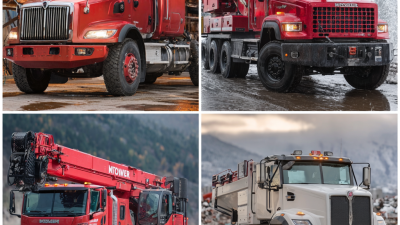
Knuckle-boom cranes fold into compact shapes and usually serve delivery work, maintenance, and urban construction. Typical capacities range from 1 to 5 tonnes. Telescopic small cranes extend in straight sections and often handle approximately 3 to 10 tonnes. Mini truck cranes may lift 0.5 to 3 tonnes, especially where narrow access limits vehicle size. A 2024 industry market report on truck-mounted cranes identifies compact hydraulic models as a growing segment, driven by urban projects and rental demand. Its findings also emphasize payload flexibility over maximum capacity.

Hydraulic pumps send pressurized oil through control valves, moving cylinders that raise and extend the boom. Outriggers widen the support base before lifting begins. Load-moment indicators compare weight, distance, and boom angle. They reduce risk, but they cannot replace a trained operator’s judgment. Capacity charts are not decorative paperwork. They must match the actual attachment, radius, slope, and weather. Field experience shows that uneven ground can make a technically acceptable lift feel unstable. This is where simple capacity claims become misleading.

What Is a Small Crane Truck and How Does It Work? — Key Types and Lifting Capacities of Small Crane Trucks
Small Crane Truck Type Typical Vehicle Class Typical Rated Lifting Capacity Typical Working Radius How It Works Common Applications Main Advantages Important Limitations
Compact Knuckle-Boom Crane Truck Light-duty truck or cab-over truck 0.5–3 tonnes at short radius Approximately 2–8 m A hydraulic pump drives cylinders that fold and extend the articulated boom. A hydraulic motor or winch raises and lowers loads through a hook or lifting attachment. Construction materials, utility work, landscaping, equipment delivery, and loading pallets. Compact folded size, good maneuverability, and the ability to load or unload without a separate mobile crane. Capacity decreases as the boom extends. The truck requires adequate chassis payload and correctly deployed stabilizers.
Small Telescopic Crane Truck Light-duty or medium-duty truck 1–5 tonnes at short radius Approximately 3–12 m Hydraulic telescoping sections extend the boom in a straight line. A hydraulic lifting system controls the boom angle, while a winch and hook handle suspended loads. Roofing materials, steel sections, machinery placement, maintenance, and general construction lifting. Longer reach than many compact folding cranes and precise vertical lifting for sites with limited access. Its lifting capacity drops substantially at maximum reach. The extended boom can increase overall height and transport clearance requirements.
Mini Truck-Mounted Crane Very light-duty truck or compact commercial vehicle 0.25–1.5 tonnes at short radius Approximately 1.5–6 m A compact hydraulic crane is mounted behind the cab or at the rear of the vehicle. Outriggers stabilize the truck while hydraulic controls operate the boom and lifting hook. Small building sites, glass handling, air-conditioning units, signs, landscaping materials, and facility maintenance. Small footprint, low operating weight, and easier access to narrow urban or residential locations. Limited lift capacity, reach, and payload compared with larger truck-mounted cranes. Ground conditions still affect safe operation.
Service Truck with Folding Crane Light-duty service or maintenance truck 0.3–2 tonnes at short radius Approximately 2–7 m The crane is mounted in the service body and powered by a hydraulic power take-off connected to the vehicle transmission. Stabilizer legs transfer lifting forces to the ground. Generators, pumps, compressors, tools, spare parts, and maintenance components. Combines transport, tools, and lifting capability in one vehicle, reducing the need for additional handling equipment. The service body and equipment consume payload capacity. It is generally intended for moderate lifts rather than continuous heavy-duty crane work.
Small Crane Truck with Remote-Control Operation Light-duty or medium-duty truck 0.5–4 tonnes at short radius Approximately 2–10 m An operator uses wired or wireless controls to manage hydraulic valves, boom movement, winch operation, and stabilizers from a position with a clear view of the load. Construction delivery, utility maintenance, road work, industrial servicing, and placement of materials near obstacles. Improved visibility around the load and greater freedom for the operator to choose a safer working position. Remote operation does not remove the need for communication, exclusion zones, load charts, and proper inspection of the control system.
Compact Crane Truck with Jib Extension Light-duty or medium-duty truck 0.2–2 tonnes with jib fitted Approximately 4–14 m, depending on boom and jib configuration A removable or fixed jib extends the main boom to reach higher or farther. The crane uses hydraulic cylinders and a winch, but the additional reach reduces the allowable load. Roof installation, façade work, sign placement, HVAC equipment, and lifting into elevated or recessed areas. Greater outreach and positioning flexibility than the basic boom configuration. Jib use usually reduces lifting capacity and may require additional counterweight, larger stabilizer spread, or stricter operating limits.
Small Articulated Crane Truck for Urban Work Compact cab-over truck 0.5–3 tonnes at short radius Approximately 2–9 m The articulated boom folds into a compact profile for travel and unfolds hydraulically at the worksite. Outriggers stabilize the vehicle before lifting begins. Urban construction, narrow streets, residential deliveries, tree care, and infrastructure repair. Good access in confined spaces and efficient loading or unloading where a conventional crane would be difficult to position. Nearby buildings, overhead lines, traffic, and uneven surfaces can restrict setup and boom movement.
Typical Operating Principle All small truck-mounted crane configurations Based on the load chart, not a single fixed value Varies with boom length, angle, and stabilizer position The truck is positioned on suitable ground, the parking brake is applied, and stabilizers are deployed. Hydraulic power moves the boom and winch. The operator follows the load chart, keeps the load within the rated capacity, and lowers it under control. Material handling, lifting, loading, unloading, installation, and maintenance. Combines road transport and lifting in one vehicle, reducing handling steps and site equipment requirements. Rated capacity is affected by load radius, boom configuration, counterweight, ground strength, wind, vehicle stability, and the condition of the crane.

Safety Systems and Operating Requirements

What Is a Small Crane Truck and How Does It Work?

Safety Systems and Operating Requirements

A small crane truck combines a road vehicle with a compact lifting crane. It carries materials, positions them, and unloads them at construction or service sites. Hydraulic pressure moves the boom, while outriggers widen the truck’s support base. The load chart sets safe capacity for each boom length and working radius. A heavier load becomes dangerous when the boom reaches farther.

Safety depends on several linked systems. A load moment indicator warns when capacity is approaching its limit. Outrigger sensors can detect incomplete deployment. Emergency stops, rated lifting hooks, and anti-two-block devices reduce equipment damage. Cameras improve visibility, but they cannot replace a trained signaler.

OSHA reported 297 crane-related worker deaths between 2011 and 2017. That figure remains a serious warning, even though it is not specific to small crane trucks.

Operators should inspect hydraulics, ropes, hooks, tires, controls, and safety devices before each shift. They must confirm ground strength, overhead clearance, weather conditions, and nearby power lines. The work zone needs barriers and one clear communication method. Never trust appearance alone. A firm-looking surface may hide soft soil or voids. Operators also need documented training, equipment-specific authorization, and a lifting plan for unusual loads. ASME B30.22 and applicable national rules provide useful technical benchmarks, but local requirements still control. In practice, rushed setup is often the weak point. A few extra minutes checking outriggers may prevent a costly, unstable lift.

Maintenance, Benefits, and Practical Limitations

What Is a Small Crane Truck and How Does It Work?

A small crane truck combines a compact vehicle with a hydraulic lifting arm. The truck carries materials, while the crane loads and unloads them nearby. An operator uses controls to extend the boom, raise the load, and place it accurately. Outriggers spread the lifting forces across the ground. I have found that firm, level surfaces make a noticeable difference. Soft soil can still cause movement, even when the load seems light.

Maintenance keeps the system predictable. Inspect hydraulic hoses, fittings, pins, hooks, and safety devices before each shift. Look for oil stains, cracked components, or unusual movement. Check fluid levels according to the service schedule. Clean dirt from moving joints before it becomes abrasive paste. The main benefits are reduced manual handling, faster site work, and better access in narrow areas. However, lifting capacity decreases as the boom reaches farther. Uneven ground, overhead obstacles, and limited truck space also restrict practical use. My first capacity estimate was sometimes too optimistic. The load chart deserves more attention than guesswork.

Tips: Keep the truck level whenever possible. Confirm the load weight before lifting. Use clear hand signals with one trained spotter. Stop immediately if the crane sounds unusual. Record inspections, repairs, and recurring faults. A small crane truck is useful, but it is not a substitute for planning.

What Is a Small Crane Truck and How Does It Work?

A small crane truck combines a road vehicle with a hydraulic boom. The truck transports materials, while outriggers stabilize the chassis before lifting. As the boom radius increases, the safe lifting capacity decreases.

Representative capacity curve for a 3-ton-class small truck crane under level-ground conditions. Actual capacity depends on the load chart, boom angle, outrigger position, ground stability, and wind.

Maintenance

Operators should inspect hydraulic hoses, hooks, wire ropes, outriggers, tires, and safety devices before use. Hydraulic oil, filters, lubrication points, and structural components require scheduled servicing based on operating hours and the manufacturer’s load chart.

Benefits

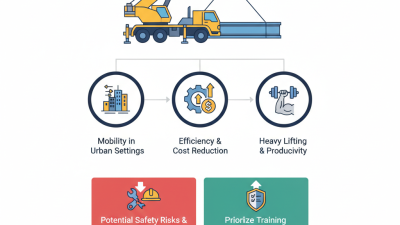
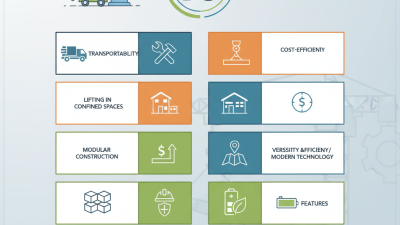
Small crane trucks provide road mobility, reduced site equipment requirements, faster loading and unloading, and access to confined urban or industrial areas where larger mobile cranes may not fit.

Practical Limitations

Capacity is limited by boom reach, truck stability, payload, road access, ground bearing strength, overhead hazards, and weather. The vehicle must be positioned on firm, level ground with outriggers correctly deployed.