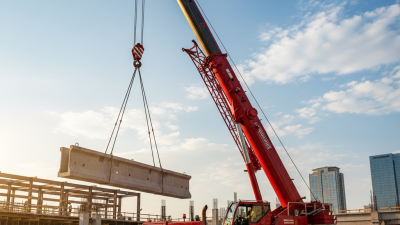
Why is a Telehandler Essential for Modern Construction Sites?
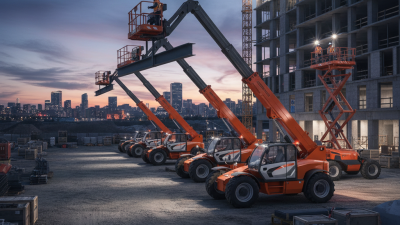
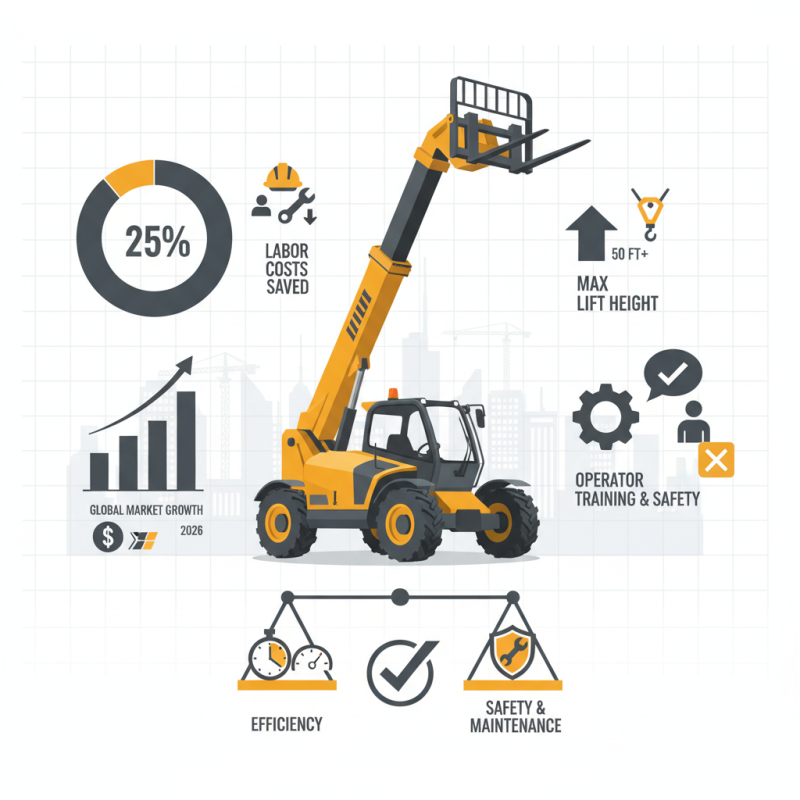
In today's fast-paced construction industry, efficiency is key. The telehandler emerges as a vital piece of equipment. According to a recent report by Construction Equipment Magazine, telehandlers can save up to 25% in labor costs. This machinery offers versatility for numerous tasks on-site, from lifting heavy materials to moving equipment.
Telehandlers feature unique designs that allow for maneuverability in tight spaces. With a maximum lift height often exceeding 50 feet, their functionality is unmatched. However, operators must be trained properly to ensure safety. Mishaps can lead to significant delays and financial losses. While telehandlers are essential, not every worker is sufficiently trained. This gap in skills warrants attention.
Moreover, the demand for telehandlers continues to rise. Research shows that the global telehandler market is expected to reach $9 billion by 2026. This growth reflects their increasing importance in construction projects. Nevertheless, companies must consider maintenance and proper usage. Balancing efficiency and safety should always remain a priority on any modern construction site.
The Versatile Functionality of Telehandlers in Construction Projects
Telehandlers are becoming a cornerstone of modern construction. Their versatility is a game changer. A telehandler can lift, move, and place heavy materials with ease. This equipment can reach high elevations, allowing workers to perform tasks safely. Research shows that telehandlers can increase project efficiency by up to 25%. This is significant for tight deadlines in construction.
On-site versatility is one of the telehandler's greatest strengths. With various attachments, they can adapt to different tasks. From forks to buckets, telehandlers transform to meet project needs. A recent report from the Construction Equipment Association highlights that 70% of contractors prefer using telehandlers for their flexibility. However, operator training remains a concern. Many workers might not be fully prepared to use these machines safely.
While telehandlers are efficient, challenges exist. Not all sites can accommodate their size. Some operators may struggle with maneuverability in tight spaces. Additionally, maintenance issues can arise. A well-maintained telehandler is crucial for optimal performance. Regular inspections ensure safety and functionality. As construction sites evolve, understanding these challenges is essential for maximizing telehandler use.
Efficiency Gains: How Telehandlers Improve Productivity on Sites
Telehandlers are becoming crucial on construction sites. Their versatility helps streamline various tasks. Lifting loads, moving materials, and reaching high spaces are just a few functions they perform. This equipment allows for quicker project completion. Efficiency is key in today’s fast-paced construction world.
With a telehandler, workers can accomplish more in less time. It reduces the need for multiple machines. Just one piece of equipment can do the job of several. For instance, transporting heavy beams and pallets becomes much easier. The operator can maneuver through tight spaces. However, training is essential for safe operation. There are risks if not handled properly.
Still, there are reflections on telehandler usage. Sometimes, the benefits can overshadow potential issues. Not every project requires such heavy machinery. Assessing the individual site needs is necessary. Over-reliance can lead to complacency among workers. Balancing the efficiency gains with proper usage is vital.
Why is a Telehandler Essential for Modern Construction Sites? - Efficiency Gains: How Telehandlers Improve Productivity on Sites
| Feature |
Benefit |
Impact on Productivity |
| Versatile Lifting |
Can lift a variety of loads with different attachments |
Reduces time spent switching between equipment |
| Modular Design |
Adaptable to various tasks on the job site |
Increases efficiency by performing multiple functions |
| Improved Reach |
Extended reach for lifting materials to high places |
Minimizes need for scaffolding and other equipment |
| Enhanced Safety Features |
Equipped with stability and safety technologies |
Reduces accidents, leading to less downtime |
| Compact Size |
Can operate in tight spaces |
Increases versatility in site operations |
| Fast Setup Time |
Ready to use with minimal assembly |
Decreases idle time during projects |
Safety Enhancements: Telehandlers Reduce Risks in Heavy Lifting Tasks
Telehandlers have become vital for modern construction sites, particularly in improving safety during heavy lifting tasks. These versatile machines can reach high places, allowing workers to lift and move heavy materials with ease. Their ability to extend and retract reduces the need for workers to be on ladders or scaffolding. While it sounds ideal, operators must still be trained. Misuse can lead to accidents.
The design of telehandlers enhances stability. Most models come with various attachment options, ensuring that they can handle diverse tasks. However, relying solely on the equipment isn't enough. Supervisors should always consider the site's unique environment. Uneven ground or overhead obstacles can pose risks. Proper setup is essential, but many overlook this aspect. Regular maintenance checks can also prevent malfunctions.
It's crucial to remind workers about safety protocols. Personal protective equipment should never be neglected. A lack of adherence to these guidelines can lead to injuries. Open communication about potential hazards is necessary. Even with advanced machinery, the human element remains a variable in construction safety. Constant vigilance fosters a safe work culture.
Cost-Effectiveness: Evaluating Telehandler ROI in Construction Operations
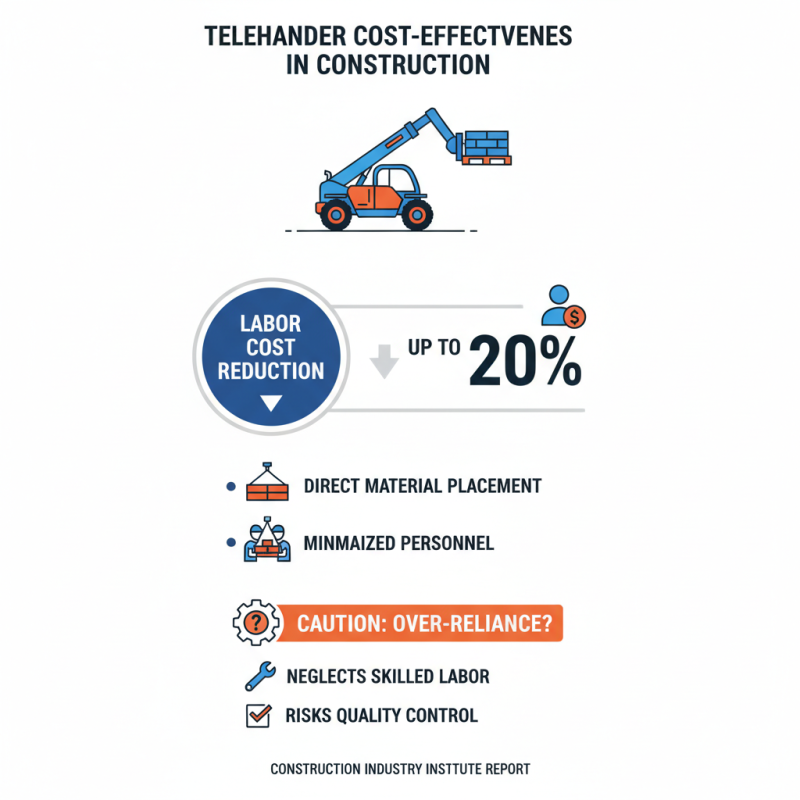
Telehandlers offer substantial cost-effectiveness for modern construction operations. According to a report by the Construction Industry Institute, operators can reduce labor costs by up to 20% when using telehandlers. These machines can lift materials directly to work areas, minimizing the need for additional personnel. However, this efficiency can sometimes lead to overreliance on machinery. Too much trust in equipment may result in neglecting skilled labor, which is crucial for quality control.
Another advantage is their versatility. Telehandlers can replace several pieces of equipment on-site, such as forklifts and cranes. This can reduce equipment rental costs and maintenance expenses by nearly 30%, according to an analysis by Equipment Watch. Yet, some operators may not fully utilize this capability. They might stick to conventional methods due to familiarity. Challenging established practices can lead to significant savings and improved productivity.
In terms of return on investment, projects using telehandlers report increased completion rates. Statistics show a boost of up to 15% in on-time project delivery. This is an impressive figure, but it may mask the complexities involved. Projects can become over budget due to unforeseen adjustments. While telehandlers provide potential benefits, careful planning and training are essential for maximizing their ROI in construction operations.
State-of-the-Art Technology: Innovations in Telehandlers for Modern Builds
Telehandlers are transforming modern construction sites. Their state-of-the-art technology enhances efficiency and safety. Innovations in telehandlers, such as improved lifting capacities and advanced control systems, make them indispensable. Operators can now manage heavy materials with precision. This reduces the risk of accidents and boosts productivity.
The integration of smart technology in telehandlers is remarkable. Features like telematics allow real-time monitoring of equipment performance. This can lead to better maintenance schedules. However, it introduces complexity that some operators may find challenging. Training becomes critical. Understanding the nuances of these innovations is essential for maximizing their potential.
Moreover, the use of telehandlers promotes versatility on site. They can perform multiple tasks, from lifting to hoisting. But relying too heavily on technology can create dependencies that might hinder basic skills. Operators need to balance tech reliance with traditional skills. A thoughtful approach to using telehandlers will ensure that construction sites remain efficient and safe.