Essential Tips for Efficient Mining Rim Procurement Solutions?
In today's competitive market, efficient mining rim procurement solutions are crucial for operational success. The mining industry relies heavily on durable components, with mining rims playing a vital role. High-quality mining rims ensure that heavy machinery runs smoothly and safely, reducing costly downtime.
Despite their importance, many companies struggle with procurement. They often overlook the specifications and materials best suited for their needs. This can lead to suboptimal performance and even accidents. Understanding the various types of mining rims available, and their applications, is essential for making informed decisions.
Moreover, working with reliable suppliers is key. Companies need to vet potential vendors thoroughly. A reputable supplier will provide high-quality products and reliable service. Investing time and resources in this process can lead to long-term benefits. Yet, many businesses underestimate these factors, leading to inefficiencies. Reflection on these challenges can pave the way for better procurement strategies. Seeking expert advice can also help unlock the potential of mining rim solutions.
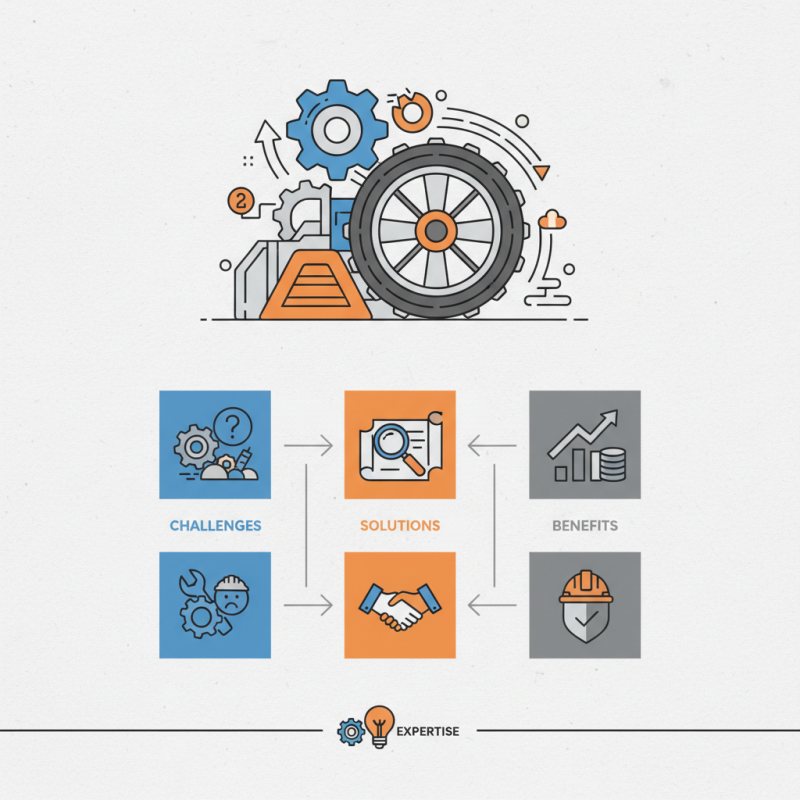
Understanding the Importance of Mining Rim Procurement Solutions
Mining rim procurement solutions play a crucial role in the overall efficiency of mining operations. According to a report by the International Council on Mining and Metals, procurement inefficiencies can lead to increased operational costs, sometimes exceeding 20%. These costs mainly arise from delays and mismatched specifications. Understanding this importance helps companies streamline their procurement processes.
Effective procurement solutions can enhance supply chain resilience. For instance, data from the Mining Industry Association indicates that organizations with optimized procurement strategies can improve delivery times by up to 30%. This improvement often translates to better production rates. Realizing the need for tailored sequestration in procurement can lead to significant savings. Yet, many companies overlook the unique requirements of mining rims, causing procurement pitfalls.
Reflecting on these procurement practices reveals a gap in many organizations’ approaches. Frequent misalignments between purchasing teams and operational needs can heighten logistics challenges. Companies should focus on employee training and supplier relationships to bridge this gap. Organizations that do not assess their procurement strategies regularly risk falling behind industry standards. Continuous improvement is necessary to keep pace with changes in the mining sector.
Essential Tips for Efficient Mining Rim Procurement Solutions
| Criteria | Details |
| Cost Efficiency | Evaluate total cost of ownership, including maintenance and operational costs. |
| Supplier Reliability | Assess supplier track record for on-time delivery and quality assurance. |
| Material Quality | Ensure rim materials meet industry standards for durability and performance. |
| Customization Options | Consider suppliers that offer tailored solutions for specific mining applications. |
| After-Sales Support | Look for comprehensive warranties and responsive customer support services. |
| Technology Integration | Evaluate the use of modern technologies that enhance rim performance and tracking. |
| Sustainability Practices | Consider suppliers with eco-friendly practices in rim production and recycling. |
Key Factors Influencing Efficient Mining Rim Procurement
Efficient mining rim procurement requires careful consideration of various factors. One essential aspect is material quality. Rims made from durable materials can withstand harsh mining environments. These materials reduce breakage and replacement frequency. Investing in quality can lead to long-term cost savings.
Supplier reliability is another crucial factor. Suppliers should have a proven track record in the mining industry. Reliability fosters trust and ensures timely delivery. Delays can disrupt operations, leading to increased costs. It is beneficial to assess suppliers based on their past performance and customer feedback.
Cost analysis is also vital. While it might be tempting to choose the cheapest option, this can lead to higher expenses down the line. Understanding total cost of ownership, which includes maintenance and replacement, can reveal the true value of a procurement decision. Reflecting on these factors ensures an informed, efficient procurement process.
Strategies for Selecting Reliable Suppliers in Mining Rim Acquisition
Selecting reliable suppliers for mining rim acquisition is crucial. In a recent industry report, over 40% of procurement teams cited supplier reliability as a primary factor in decision-making. A lack of reliability can lead to project delays and increased costs.
Before finalizing a supplier, evaluate their track record. Review their past projects and customer feedback. Over 30% of companies reported issues due to inadequate supplier vetting. Look for suppliers with extensive experience in mining applications. This can ensure that they understand the specific demands of the industry.
Engage in open communication with potential suppliers. Discuss your project requirements in detail. Evaluate their responsiveness and willingness to collaborate. A study found that suppliers who prioritize communication often deliver higher-quality products. Reflect on potential red flags. If a supplier is vague about their processes or materials used, consider exploring other options. A proactive approach in supplier selection can significantly impact overall project success.
Best Practices for Streamlining the Procurement Process
Efficient mining rim procurement is crucial for operational success. Streamlining this process relies on best practices that enhance efficiency and reduce costs. According to a report by the Global Mining Procurement Association, implementing a digital procurement system can save companies up to 30% in operational costs. This shift fosters transparency and tracking, allowing for more informed decision-making.
One useful tip is to leverage data analytics for supplier selection. Analyze historical performance and market trends. This can help identify the most reliable suppliers. Additionally, regular supplier audits can ensure compliance and quality. Establishing strong relationships with suppliers can also enhance communication and negotiation. Engaging suppliers early in the process often leads to better outcomes.
Another practice involves integrating sustainability into procurement decisions. A report from the Institute of Mining Engineers highlighted that sustainable procurement could enhance a company’s reputation and lower long-term costs. Consider the environmental impact of chosen suppliers. Emphasizing local sourcing can also reduce carbon footprints and promote community development. Each decision should align with long-term strategic goals for maximum benefits.
Evaluating Cost-Effectiveness in Mining Rim Purchases
When evaluating cost-effectiveness in mining rim purchases, it’s crucial to consider multiple factors. Industry reports suggest that optimal procurement strategies can reduce costs by up to 20%. Companies often overlook bulk purchasing, which can lead to substantial savings. Additionally, understanding the quality-to-cost ratio helps in making informed decisions. For instance, high-quality rims may have a higher upfront cost but last longer, decreasing replacement frequency.
Tips for efficient mining rim procurement include conducting thorough market research. Analyze vendor pricing and warranties before making a purchase. It's also beneficial to track performance metrics of existing rims. This data can guide future purchases, ensuring better quality selections. Mining operators should also be aware of the total cost of ownership, including maintenance and operational efficiency.
Remember that initial costs can be deceptive. A cheaper rim might seem attractive but could incur higher long-term expenses. Investing in durable and efficient options might result in greater average savings over time. Lastly, constantly revisit procurement strategies as technology and market conditions evolve. This adaptability enhances decision-making capabilities in the dynamic mining sector.
Cost-Effectiveness in Mining Rim Purchases
This chart illustrates the cost-effectiveness of different mining rim procurement solutions based on their price versus durability ratings. The data points reflect various procurement strategies evaluated over a typical project duration.