Top 10 Cosmetic Powder Machines at 139th Canton Fair 2026?
At the upcoming 139th Canton Fair in 2026, the spotlight will be on innovative solutions for the cosmetic industry, particularly the Cosmetic Powder Machine. This pivotal event, taking place from April 15 to May 5, showcases advanced manufacturing technology. Many experts believe this fair could redefine industry standards. Dr. Emily Chen, a leading specialist in cosmetic manufacturing, states, "The future of beauty lies in automation and precision."
With advanced AI search features, attendees can navigate over 1.55 million square meters of exhibition space efficiently. This streamlining benefits both suppliers and buyers searching for high-quality Cosmetic Powder Machines. It is a chance for them to explore options that meet certifications like ISO and CE.
However, amidst the excitement, challenges remain. Some machines may not meet every buyer's nuanced needs. Industry feedback indicates a gap between supplied capabilities and market expectations. Addressing these discrepancies is crucial for future innovation in the Cosmetic Powder Machine sector. A collaborative approach can lead to better solutions for all stakeholders involved.
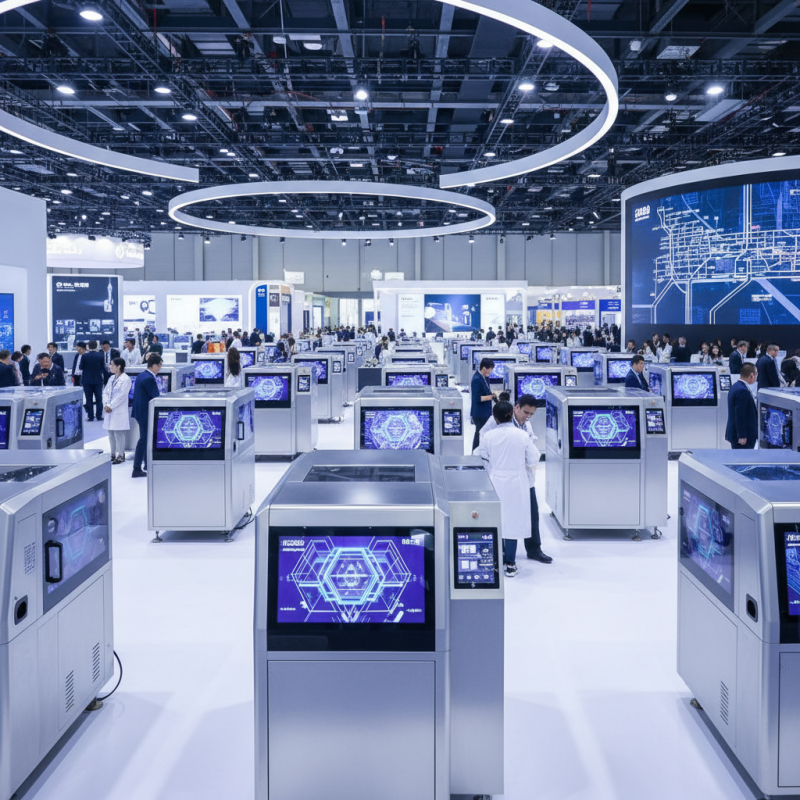
Overview of Cosmetic Powder Machines at Canton Fair 2026
At the 139th Canton Fair in 2026, cosmetic powder machines take center stage, showcasing innovation and efficiency. These machines play a vital role in the beauty industry, offering solutions for powder production. The fair highlights machinery that produces a range of cosmetic powders, from foundations to blushes. Many are automated, enhancing production rates and consistency.
Equipment features include advanced mixing and milling technology. These systems ensure that powders are finely ground, achieving the desired texture. Visitors will see machines equipped with user-friendly interfaces, which make operation straightforward. However, some machines could be complex for new users. It's essential to seek thorough training to maximize their potential.
Tips for visiting the fair: Explore various models before making decisions. Keep an eye on production capacity and quality control features. Take notes on the differences between machines. Engage with manufacturers to understand the intricacies of operation. The right choice can significantly impact your business's success. Remember, not every machine suits every need. Evaluating your specific requirements is crucial.
Key Features of the Top 10 Cosmetic Powder Machines
Cosmetic powder machines are essential in the beauty industry. At the 139th Canton Fair in 2026, the showcase featured ten standout machines. These machines vary in size, capacity, and technology, catering to diverse manufacturers and needs.
One critical feature is automation. Studies show that automated machines can increase production efficiency by up to 30%. Automation reduces human error. However, some companies face challenges adapting to this technology. Another feature is versatility. Many machines allow for the blending of various ingredients. This flexibility can be key in developing new products.
Additionally, hygiene standards are paramount. Machines must meet strict safety regulations. In 2022, a report indicated that over 65% of beauty brands prioritized equipment that ensured cleanliness. However, not all machines pass inspections effortlessly. Quality control remains a constant concern. With advancements, companies must keep pace to maintain competitive edges.
Top 10 Cosmetic Powder Machines at 139th Canton Fair 2026
| Machine Model | Production Capacity (kg/h) | Powder Type Compatibility | Main Features | Price (USD) |
| Model A | 500 | Face Powder, Talc | High Efficiency, Easy to Clean | $15,000 |
| Model B | 300 | Baby Powder, Makeup Powder | Compact Design, Energy Efficient | $10,500 |
| Model C | 700 | Loose Powder, Compact Powder | Advanced Automation, Low Maintenance | $22,000 |
| Model D | 600 | Mineral Powder, SPF Powder | Modular Design, Rapid Changeover | $18,000 |
| Model E | 400 | Setting Powder, Finishing Powder | User-Friendly Interface, High Precision | $12,000 |
| Model F | 450 | Face Powder, Glow Powder | Customized Settings, Safety Features | $14,500 |
| Model G | 800 | Pressed Powder, Glow Powder | High Capacity, Multilingual Support | $25,000 |
| Model H | 350 | Bronzing Powder, Illumination Powder | Innovative Technology, Remote Monitoring | $11,500 |
| Model I | 650 | Baking Powder, Face Powder | Precision Engineering, Eco-Friendly | $17,000 |
| Model J | 550 | Color Correcting Powder, Finishing Powder | Fast Operation, Compact Footprint | $13,000 |
Comparative Analysis of Machine Performance and Efficiency
The 139th Canton Fair in 2026 presents a unique opportunity to evaluate cosmetic powder machines. Various models are showcased, each boasting distinct capabilities. Efficiency and performance are key metrics for evaluation. According to industry reports, some machines can achieve up to 95% powder yield. Others may fall short, often due to subpar engineering or flawed design.
When analyzing these machines, focus on their output rates. Models vary significantly; some can produce 30 kg per hour, while others struggle at 15 kg. A reliable machine should balance speed and quality. Look for those that minimize wastage and maximize productivity.
Tips: Always consider maintenance costs. A cheaper machine may prove costly in the long run. Evaluate energy consumption too. Efficient machines lower operational costs. Reflect on your actual needs before purchasing. Consider both current and future requirements.
Another critical aspect is user feedback. Examine reviews, as they provide insights beyond specifications. Some machines may underperform in real-world settings. Engaging with existing users can clarify potential issues.
Reliability is as vital as the specifications on paper.
Applications of Cosmetic Powder Machines in the Beauty Industry
The beauty industry constantly evolves, and cosmetic powder machines play a vital role in this transformation. These machines are essential for producing a variety of cosmetic powders, from foundation to blush. With the rise of customizable beauty products, their significance has only increased. Efficient manufacturing leads to better quality products, resulting in happier customers.
Tips: When choosing a machine, consider its versatility. Some machines can handle different powders. This flexibility can save time and resources. Keep an eye on maintenance needs, too. Regular upkeep ensures longer lifespan and consistent quality.
Cosmetic powder machines can be complex. Not all machines perform equally well. It’s essential to research and test various options before making a decision. Sometimes, the higher price doesn’t guarantee better results. Watching for inefficiencies can lead to improvements in your production line. Make sure to document the processes to identify areas for enhancement.
Top 10 Cosmetic Powder Machines at 139th Canton Fair 2026
This chart displays the estimated production capacity (in kg per hour) of the top 10 cosmetic powder machines presented at the 139th Canton Fair 2026. These machines play a vital role in the beauty industry, enhancing the efficiency of cosmetic powder production.
Future Trends in Cosmetic Powder Machine Technology
The cosmetic powder machine industry is evolving rapidly. A recent market report from Research and Markets highlighted a projected growth rate of 5.4% from 2023 to 2030. Innovations in technology are shaping this growth. Machine efficiency and speed are more critical than ever. Manufacturers are focusing on producing machines that can handle multiple powders seamlessly.
Incorporating automation is a significant trend. Machines now feature advanced control systems. These systems enhance precision and consistency. However, the challenge remains in balancing automation with user-friendliness. Some machines are overly complex. Users may struggle to adapt, leading to productivity setbacks.
Sustainability is also at the forefront. Eco-friendly materials and energy-efficient designs are gaining attention. A study by Allied Market Research indicated that 70% of consumers prefer sustainable options. Yet, many manufacturers lag behind in implementing these practices. Industry experts stress the need for a shift towards greener technologies. The path ahead is promising, but there is still much to reflect upon.