Top 10 Dustproof Testing Machines at 2026 Canton Fair?
The 2026 Canton Fair is set to showcase the latest advancements in various industries, including the critical field of Dustproof Testing Machines. With the event drawing near, industry experts emphasize the growing importance of reliable testing equipment. Dr. Jane Smith, a leading authority in environmental testing, has stated, "Effective dustproof testing is essential for ensuring product longevity and safety in our increasingly polluted world."
Recent reports indicate a rise in demand for Dustproof Testing Machines due to stricter regulations and consumer awareness. The market for these machines is projected to grow by 15% annually, reflecting advancements in technology and manufacturing processes. As the fair introduces AI features for efficient supplier searching and navigation, visitors can expect to discover cutting-edge solutions that meet ISO and CE standards.
However, the evolution of Dustproof Testing Machines is not without challenges. Many suppliers still struggle with outdated testing methods. This gap presents an opportunity for innovation and improvement in the industry. As participants prepare for the fair, the focus will be on elevating the quality and efficacy of dustproof testing systems, addressing both industry needs and consumer expectations.
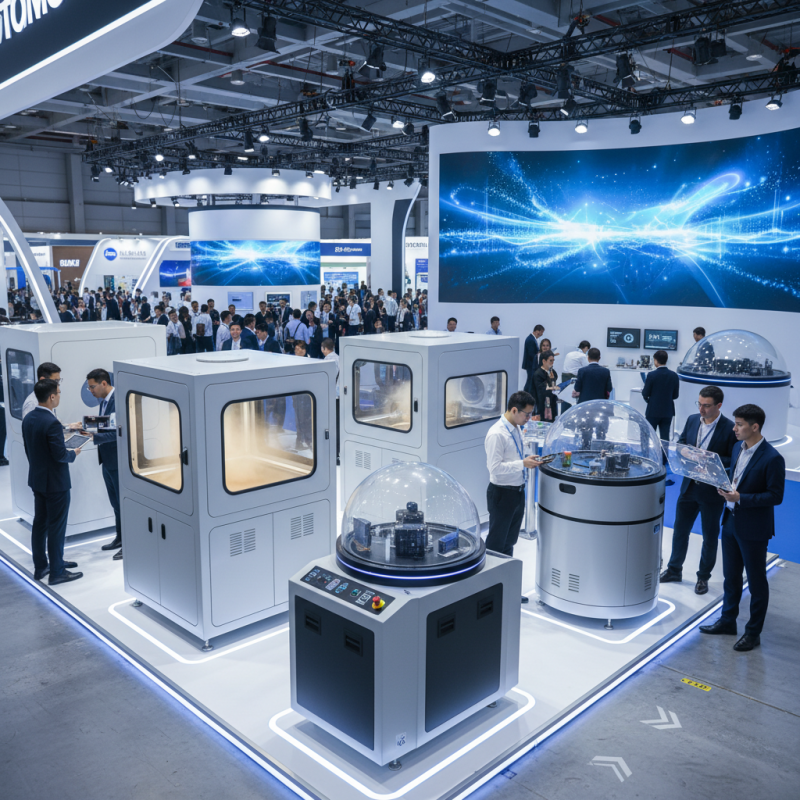
Overview of Dustproof Testing Machines
Dustproof testing machines play a critical role in various industries. They ensure products meet specific standards for dust resistance. According to a recent industry report, the global market for dustproof testing equipment is projected to grow by 8% annually. This growth highlights the increasing need for reliable testing solutions.
These machines simulate real-world conditions. They expose products to controlled dust environments, allowing for precise evaluations. Properly designed machines can test multiple parameters, including particle size and concentration. Research indicates that up to 30% of product failures occur due to inadequate dustproofing. Companies are now prioritizing dustproof testing to enhance product reliability.
Despite advances in technology, some challenges persist. Many machines fail to replicate the exact conditions found in actual environments. This inconsistency can lead to misleading results. Additionally, user expertise in operating these machines is often lacking. Regular training is essential but frequently overlooked. Accurate testing requires understanding both the equipment and the standards it aims to meet.
Criteria for Evaluating Dustproof Testing Machines
When evaluating dustproof testing machines, several criteria are essential. First, the machine's design and build quality should be assessed. A robust and durable structure indicates reliability and longevity. Use materials that can withstand rigorous testing conditions. The design should also facilitate easy access for maintenance and calibration.
Another key factor is the machine's testing capabilities. Look for devices that can simulate various dusty environments. Machines should work in diverse conditions, like industrial settings or outdoor applications. Testing efficiency is crucial, as it affects the speed of product evaluation. Accurate measurement tools are also vital. They ensure that the data collected is reliable and consistent.
User-friendliness also plays a significant role. Controls and interfaces should be intuitive. Complicated systems can lead to user errors. Consider the available training resources for operators. Finally, examine the after-sales support and service. Quality support can make a difference in resolving potential issues efficiently. Addressing these criteria will lead to better testing outcomes.
Top 10 Dustproof Testing Machines at 2026 Canton Fair
This bar chart compares the dustproof performance ratings of the top 10 testing machines showcased at the 2026 Canton Fair, highlighting their ability to withstand dust exposure.
Top Features to Look for in Dustproof Testing Equipment
When selecting dustproof testing equipment, certain features are crucial. First, consider the machine’s ability to replicate real-world conditions. The equipment should simulate the dust environment typical of the intended application. This involves precise control over the dust concentration and particle sizes. Accurate measurement tools are essential too. They ensure the results reflect the actual performance of the product being tested.
Another important feature is durability. Machines must withstand heavy use in various environments. Look for sturdy construction and reliable materials. Vibration resistance is another key factor. Testing machines should perform consistently even under stress. Consider the ease of use as well. A user-friendly interface can speed up testing and reduce errors.
Finally, think about data management. Modern machines offer data logging features. They help track results over time, which is valuable. However, some machines may have complex software. This can lead to confusion during analysis. Users must invest time in training to fully utilize these features. Balancing features and usability is crucial for effective testing.
Highlights from the 2026 Canton Fair on Dustproof Technology
The 2026 Canton Fair showcased remarkable advancements in dustproof technology. Several exhibitors presented innovative dustproof testing machines. These machines play a vital role in ensuring product durability and reliability. Recent industry reports indicate that the demand for dustproof devices has surged by 30% over the last two years. This trend highlights the growing importance of dustproof testing in various sectors.
During the fair, one notable observation emerged: many machines struggled with extreme dust conditions. While they performed admirably in controlled environments, their efficiency under real-world conditions often raised questions. Experts noted that while advancements have been made, there is still room for improvement. The gap between laboratory results and on-site performance can be significant. It suggests the need for ongoing refinement and testing protocols.
Data from industry analysts suggest that companies prioritizing robust testing will likely lead the market. This reveals a critical insight: investing in better technology may yield longer-lasting products. However, some manufacturers remain hesitant to embrace these technologies fully. As the industry evolves, balancing innovation and practicality will be essential. The future of dustproof technology awaits further exploration, and the Canton Fair offered a glimpse into that future.
Future Trends in Dustproof Testing Machinery
The future of dustproof testing machinery is bright and dynamic. Advances in technology are driving the development of more precise testing machines. These innovations include enhanced sensors and automated systems. Such improvements help achieve higher accuracy in dust resistance tests. Testing environments will evolve, incorporating more realistic conditions. Machines may simulate real-world dust exposure more effectively.
Smart technology is also on the rise. Integration with IoT allows machines to collect and analyze data remotely. This data-driven approach can lead to better product designs. However, challenges remain in standardization across different testing environments. Some machines may struggle to provide consistent results.
Environmentally friendly materials in machine construction are gaining traction. Users seek sustainable options that retain performance. Still, finding the right balance between sustainability and durability proves difficult. As the market evolves, manufacturers must remain adaptable. Continuous feedback loops are essential for innovation. The path ahead will require collaboration and open-mindedness to tackle these challenges.