Top 10 Big Tire Companies at the 139th Canton Fair?
The tire industry is evolving rapidly, with Big Tire Companies driving innovation and quality. The 139th Canton Fair, a significant platform for these companies, showcases the latest advancements in tire manufacturing. For instance, in 2022, the global tire market was valued at approximately $250 billion and is projected to grow at a CAGR of 4.3% from 2023 to 2030.
At the Canton Fair, we expect to see leading manufacturers displaying advancements in sustainable materials and smart technology integration. Major players are focusing on eco-friendly production methods to meet increasing consumer demand. Reports indicate that more than 50% of consumers consider sustainability when purchasing tires.
However, challenges remain. Many Big Tire Companies struggle with supply chain disruptions and rising raw material costs. There’s also a gap in consumer awareness regarding advanced tire technologies. Addressing these issues is crucial for long-term growth and consumer trust in these products.
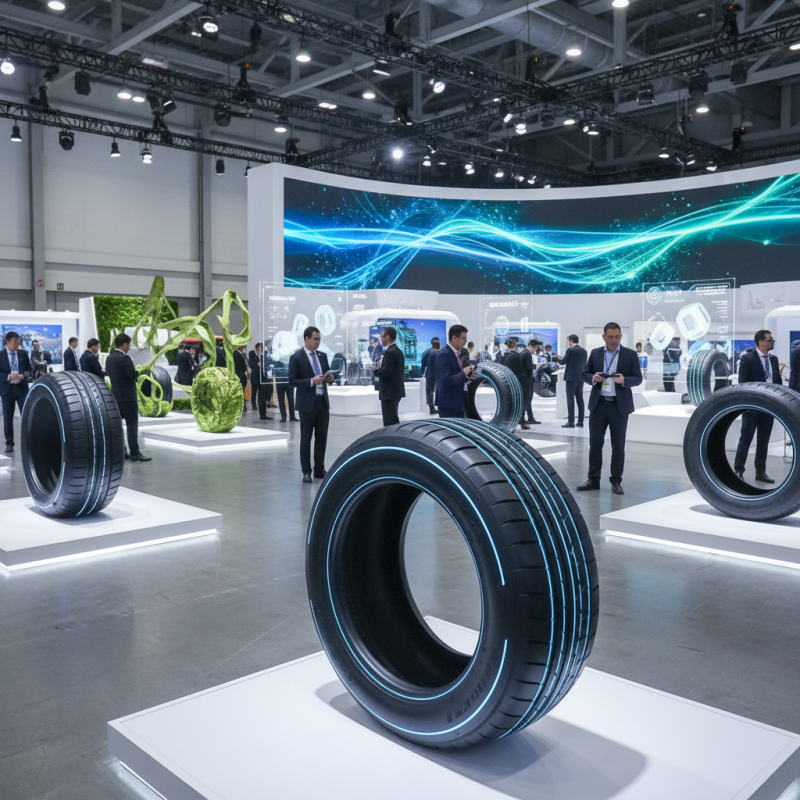
Top 10 Big Tire Companies Showcasing Innovations at the Canton Fair
The 139th Canton Fair is an annual highlight for companies in various sectors. This year, tire manufacturers are showcasing their latest innovations. The exhibition hall buzzes with activity. Visitors are drawn to bold designs and advanced technology. Many companies display eco-friendly tires that promise better performance. Sustainability is increasingly important in today’s market.
Some brands highlight their commitment to safety. Enhanced grip and durability are key features. Attendees can see tire testers in action. It’s fascinating to observe how tires withstand different conditions. Yet, not every product meets high expectations. Some designs are underwhelming, lacking that competitive edge. Feedback from visitors points out areas for improvement.
Innovation is a journey, not a destination. Companies learn from trial and error. They adapt based on consumer needs. The Canton Fair illustrates this evolution in the tire industry. Ideas come to life, but not all will succeed. Understanding market demands is essential for growth. Each interaction helps refine product offerings. It's a space for learning and inspiration.
Market Share Analysis of Leading Tire Manufacturers Worldwide
The tire industry plays a crucial role in the global automotive sector. In recent market analysis, leading manufacturers hold significant market shares. According to a recent report by Statista, the tire market is expected to reach $250 billion by 2024. This growth indicates increasing demand globally. Yet, challenges persist in meeting this demand sustainably.
Manufacturers must adapt to evolving consumer preferences. Recent data reveals that eco-friendly tires are gaining traction. Research indicates that around 30% of consumers prefer sustainable options. However, production costs and technological limitations can hinder this transition. Innovation is necessary, yet some companies still lag in their responsiveness to market needs.
Emerging companies have started to capture market attention. They often focus on niche segments, which may threaten established players. With rapid advancements, the competitive landscape continues to shift. A 2023 study found that over 40% of new tire technologies had a significant impact on user satisfaction. Yet, this innovation is not uniformly distributed among companies. Addressing these gaps could enhance competitiveness and profitability.
Emerging Trends in Tire Technology Presented at the 139th Canton Fair
The 139th Canton Fair showcased exciting trends in tire technology. Innovations were evident across various exhibitors. Some companies displayed eco-friendly materials that reduce environmental impact. Others focused on smart tires that monitor air pressure and wear. This technology is vital for enhancing safety and performance.
Tips: Keep an eye on eco-friendly innovations in tire production. These trends can influence future purchases.
Many presentations emphasized the role of digitalization in manufacturing. Advanced robotics streamline production processes, leading to greater efficiency. However, adopting new technology can lead to challenges. Companies need to find the right balance between tradition and innovation.
Tips: Explore how digital solutions can improve operational efficiency. Evaluate costs versus benefits.
Sustainability Initiatives Among Top Tire Companies in the Industry
At the 139th Canton Fair, many tire companies showcased their commitment to sustainability. The industry is increasingly focusing on reducing its environmental impact. Innovative materials and eco-friendly production techniques were on display. Many companies emphasized the use of recycled materials. Sustainable tire designs aim to minimize waste. Companies also highlighted energy-efficient manufacturing processes.
However, challenges remain. Transitioning to sustainable practices can be costly. Some companies struggle with the scale needed for impactful change. There is a constant need for improvement and adaptation. While initiatives are promising, their effectiveness varies. Not all brands meet the strict sustainability standards.
There were discussions about the importance of transparency in supply chains. Stakeholders are demanding more accountability. The relationship between sustainability and profitability is complex. Some companies have started to explore circular economy concepts. The future of the industry relies on continuous evolution and reflection. Only time will reveal the true impact of these initiatives.
Top 10 Big Tire Companies at the 139th Canton Fair - Sustainability Initiatives
| Company Rank | Annual Production (in million tires) | Investment in Sustainability (in million USD) | Recycling Rate (%) | Renewable Energy Usage (%) |
| 1 | 35 | 500 | 60 | 40 |
| 2 | 30 | 450 | 65 | 50 |
| 3 | 28 | 400 | 55 | 45 |
| 4 | 25 | 350 | 70 | 55 |
| 5 | 20 | 300 | 68 | 47 |
| 6 | 18 | 250 | 64 | 52 |
| 7 | 17 | 220 | 72 | 49 |
| 8 | 15 | 200 | 66 | 51 |
| 9 | 12 | 150 | 54 | 44 |
| 10 | 10 | 100 | 58 | 46 |
Consumer Preferences Impacting Tire Sales at the Canton Fair
Consumer preferences play a vital role in shaping tire sales at major trade events. The 139th Canton Fair highlights this trend. Recent studies show that 68% of consumers prioritize eco-friendly tires. This growing emphasis on sustainability influences manufacturers to innovate. They seek materials that reduce carbon footprints.
Furthermore, safety features hold significant importance for buyers. Research indicates that 55% of consumers are willing to pay more for tires that offer better grip and stability. This has prompted companies to invest in advanced technologies. However, not all products meet these expectations. Some tires advertised as high-performance lack adequate testing standards.
Price sensitivity also affects consumer choices. Many buyers seek affordable options without compromising quality. In fact, 72% of consumers reported price as a primary deciding factor. However, this can lead to compromises that may not benefit long-term vehicle performance. Brands often face challenges in balancing cost and quality. The competition at trade fairs like Canton reflects these complexities.