In the rapidly evolving landscape of urban construction, the role of technology stands as a pivotal force driving efficiency and sustainability. Among these innovations, city cranes have emerged as essential components in modern architecture and infrastructure development. These advanced machines not only enhance construction capabilities but also contribute to the overall urban aesthetic, reflecting a city's commitment to progress and innovation.
As we look forward to 2025, the latest advancements in city crane technology promise to revolutionize urban construction further, addressing the growing complexities of building in densely populated areas. This article will explore the top five city crane innovations that are set to transform the construction industry, highlighting their unique features, operational benefits, and potential impact on urban development. By integrating cutting-edge design, automation, and sustainability, these cranes will redefine how cities build their futures.
With an increasing emphasis on smart city initiatives, the importance of integrating innovative city crane solutions cannot be overstated. These machines are not only vital for meeting the demands of new construction but also play a crucial role in minimizing disruptions to urban life. Join us as we delve into the transformative innovations that will shape the skyline of tomorrow's cities.
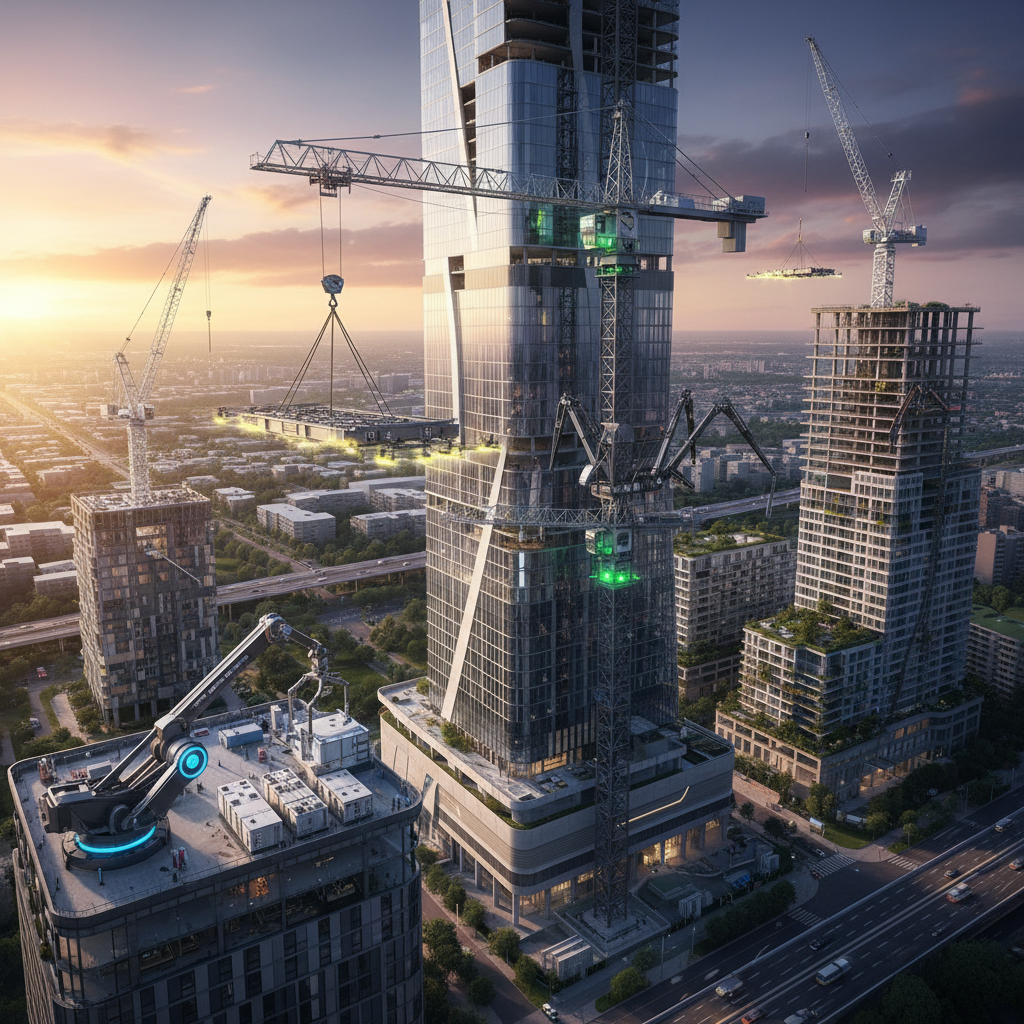
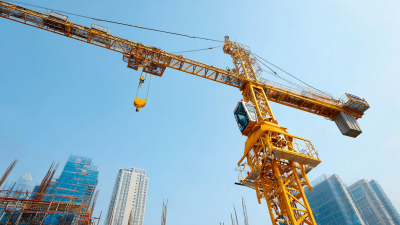
As urban construction continues to evolve, the introduction of remote-controlled tower cranes in 2025 is set to revolutionize high-rise building projects. With the tower crane market projected to reach USD 10.13 billion by 2026, the demand for advanced lifting solutions is on the rise. This growth is largely driven by increasing infrastructure developments across North America, Europe, and Asia, which are projected to see significant investments in urban construction over the next few years.
Remote-controlled technology not only enhances operational efficiency but also improves safety on job sites. With the heavy lifting equipment market expected to grow at a CAGR of 5.8% from 2025 to 2034, remote-controlled cranes represent a substantial step forward in minimizing risks associated with traditional crane operations. By minimizing human involvement in high-risk areas, these innovations can lead to lower accident rates and increase productivity, making them a game-changer for the construction industry.
**Tip: When considering the integration of remote-controlled cranes in your projects, ensure that your operators undergo rigorous training. This investment in safety and efficiency can significantly enhance project outcomes. Furthermore, keeping abreast of the latest market trends and technological advancements will position your project for success in a competitive landscape.**
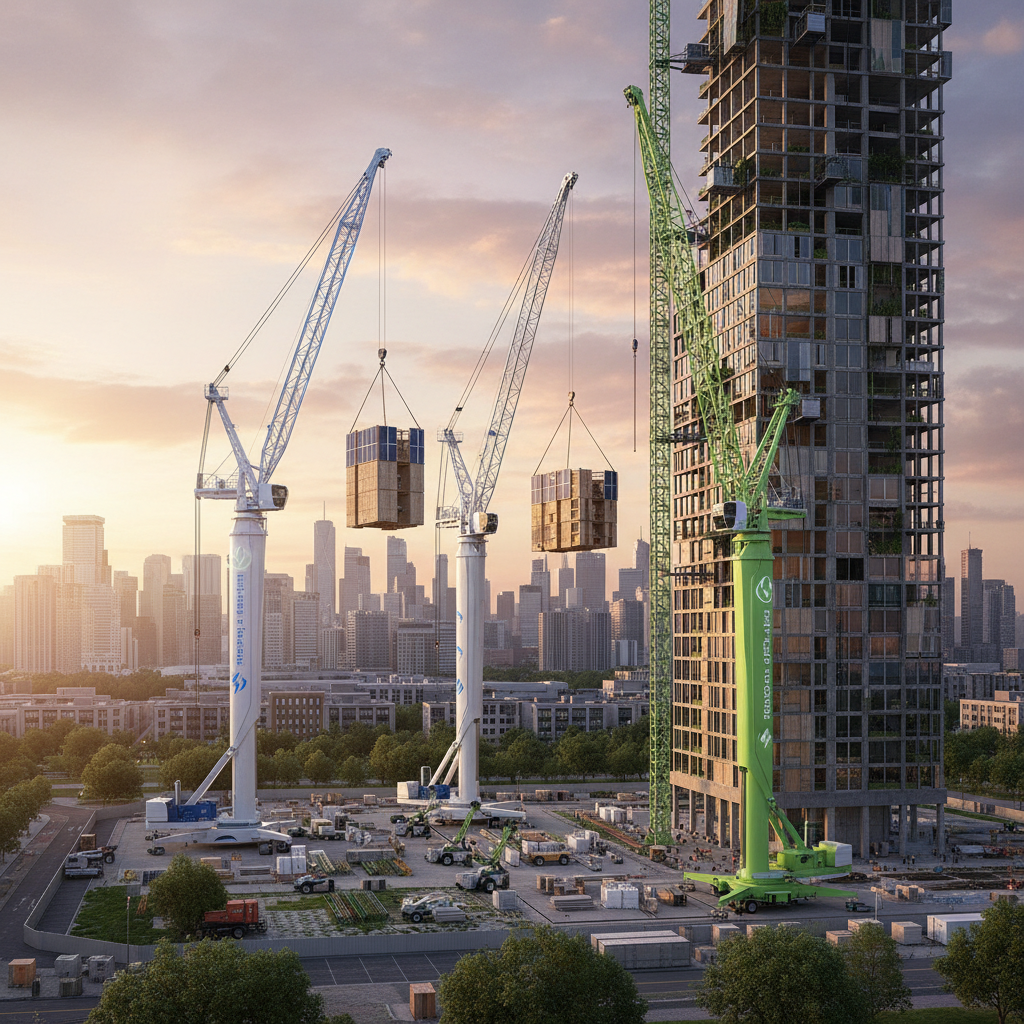
This chart illustrates the projected adoption rates of five key innovations in urban construction cranes by 2025. The focus is on remote-controlled tower cranes, which are expected to dominate the market alongside other emerging technologies.
Urban construction is evolving rapidly, with an increasing emphasis on sustainable crane technologies aimed at reducing the carbon footprint of construction projects by 30%. As urban areas account for a significant portion of global carbon emissions, the lifting and transport industry is stepping up its efforts to adopt zero-emission solutions. For instance, innovations in electric and hydrogen-powered cranes are paving the way towards a greener future, enabling builders to execute projects with lesser environmental impact.
The challenges posed by urban congestion and rising last-mile deliveries are prompting cities and companies to embrace sustainable logistics practices. By adopting cutting-edge technologies that enhance efficiency, from smarter material handling to electric-powered crane operations, the construction industry can significantly lower emissions associated with urban development. With cities striving for carbon neutrality, these crane innovations not only support sustainable urban growth but also contribute to the overall goal of creating healthier and cleaner living spaces for future generations.
The integration of AI into smart crane systems is revolutionizing urban construction, enhancing both safety and efficiency in ways previously thought unattainable. By utilizing machine learning algorithms, these cranes can now predict potential hazards, monitor their environment in real-time, and adjust their operations accordingly. This predictive capability significantly reduces the risk of accidents on construction sites, allowing for a safer working environment for operators and workers alike.
Tips: To maximize the benefits of AI-enhanced cranes, construction managers should invest in regular training for their operators. Ensuring that the crew understands how to use these advanced systems not only elevates safety standards but also improves overall project efficiency. Additionally, implementing routine maintenance checks on the AI systems themselves can prevent unexpected downtimes and extend the lifespan of the equipment.
As urban landscapes continue to evolve, the role of AI in crane operations will only grow. With features such as automated load monitoring and smart scheduling, these cranes are already demonstrating their potential to streamline workflows. By embracing these technologies, cities can not only foster safer construction practices but also enhance the agility and effectiveness of urban development projects.
Tips: Always assess the adaptability of AI technology to your specific construction needs. Conducting pilot tests with new crane systems can provide valuable insights before full implementation, ensuring the technology aligns perfectly with your project goals.
In urban construction, the need for efficiency and adaptability has led to significant innovations in crane design, particularly with modular systems. Modular cranes are engineered to address the specific spatial limitations faced in densely populated areas. A report by Grand View Research indicates that the global modular construction market is projected to reach USD 157.21 billion by 2028, with a compound annual growth rate (CAGR) of 6.5%. This growth underscores the increasing demand for modular solutions that enhance construction productivity while minimizing site disruption.
Modern modular cranes are designed to be lightweight yet sturdy, allowing them to be easily transported and assembled in restricted spaces. According to the International Journal of Construction Management, modular crane designs can reduce setup times by up to 30%, a critical advantage in urban environments where time-efficient operations are paramount. Furthermore, these cranes often come equipped with advanced technology, including IoT-enabled monitoring systems that track performance and safety metrics in real time, reflecting an industry trend toward greater automation and data-driven decision-making. As cities continue to evolve, so too will the innovations that shape their construction landscapes.
The construction industry is undergoing a significant transformation with the rise of autonomous cranes, which have shown the potential to increase productivity by as much as 40%. According to the Global Construction Robotics Market report, the adoption of advanced automation technologies is expected to grow at an annual rate of over 20% through 2025. This shift is mainly driven by the need for greater efficiency and precision in urban construction projects, particularly as cities continue to expand vertically.
Autonomous cranes, equipped with advanced sensors and artificial intelligence, can operate with minimal human involvement, allowing for continuous work cycles and improved safety on job sites.
Furthermore, a study by McKinsey indicates that labor productivity in construction has only improved by 1% annually over the past two decades, highlighting a pressing need for innovation. The integration of autonomous cranes addresses this issue by optimizing workflows and reducing the likelihood of human error.
With the ability to coordinate movements and manage loads with enhanced accuracy, these cranes are not only transforming the operational landscape but also setting new standards for project timelines and cost efficiency. As urban centers increase their infrastructural demands, the deployment of autonomous cranes will be pivotal in shaping the future of construction.