Top 10 Boom Crane Rental Companies for Global Buyers
Choosing a boom crane rental company is more than comparing daily rates. The right partner can affect lifting schedules, site safety, transport costs, and project continuity. Global buyers also face practical differences in equipment availability, local support, documentation, and delivery arrangements. A crane that looks suitable in a catalog may not fit a crowded urban site or a remote industrial project.
This guide introduces ten companies for buyers to consider, with attention to fleet range, service coverage, and project experience where information is available. It is intended as a starting point, not a ranking that fits every job. Needs vary. A short urban lift may call for a different machine and support team than a long-term construction contract. Before requesting a quote, confirm lifting capacity at the required radius, ground conditions, operator arrangements, and transport access. Ask how maintenance issues are handled, too. Small details matter.
The list can help narrow a search, but company claims and service areas should be checked directly. Availability changes. So do project conditions. Buyers should compare written quotations and clarify what each price includes, such as mobilization, setup, and standby time. This overview cannot replace an engineering review or a site-specific lift plan. It can, however, help global buyers ask clearer questions and approach boom crane rental with more confidence.
What Boom Crane Rental Companies Provide and How They Operate
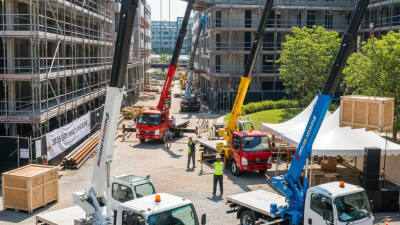
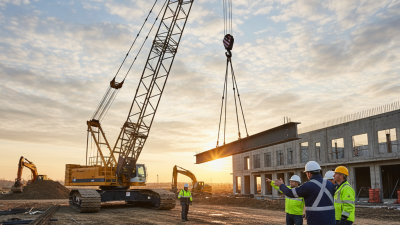
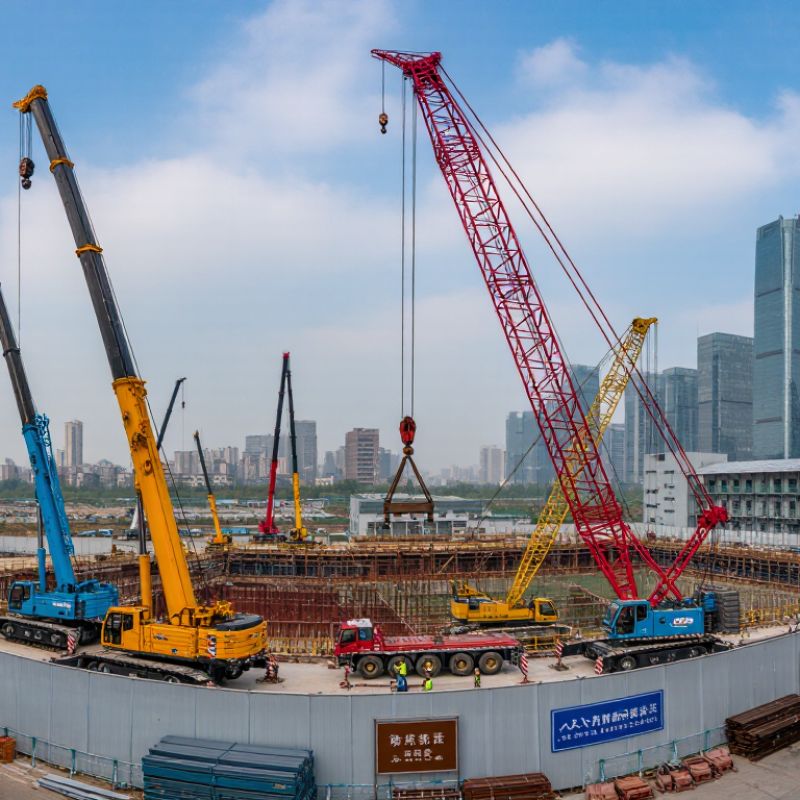
Boom crane rental companies support construction, infrastructure, shipyard, and industrial lifting projects worldwide. Their service usually includes crane selection, transport, setup, trained operators, and scheduled maintenance. A reliable provider studies the load weight, lifting radius, ground condition, and working height before recommending equipment.
Site details matter.
During a project, the rental team reviews load charts and checks wind conditions before each lift. Technicians inspect hydraulic systems, wire ropes, hooks, tires, and safety controls. Experienced operators also communicate with rigging crews through agreed signals and radio procedures. For international buyers, companies may coordinate customs documents, delivery schedules, local technicians, and equipment insurance requirements.
Pricing often depends on rental duration, crane capacity, transport distance, fuel, operator hours, and assembly needs. Some providers offer daily rates, while others create project-based packages. Buyers should request inspection records, operator qualifications, maintenance history, and clear responsibility for delays or damage. A low quote can become expensive when mobilization fees appear later. I have found that unclear site information causes more problems than crane capacity alone. Even accurate planning can require adjustment after soil tests or weather changes.
The best rental companies maintain documented procedures, but no operation is completely automatic. They adapt lifting plans when access roads narrow, materials arrive late, or the work sequence changes. Regular progress reports help buyers track equipment use and unexpected costs. Clear communication remains essential across time zones, languages, and technical teams.
Key Factors for Evaluating Crane Rental Providers
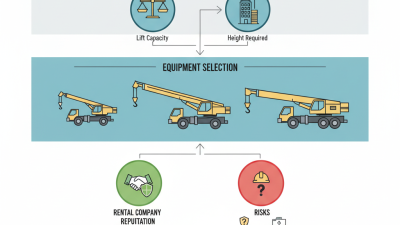
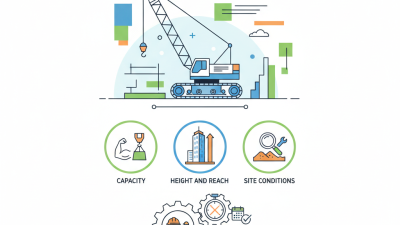
When comparing boom crane rental providers, start with the lift, not the headline rate. Share the load weight, pick radius, lift height, and ground conditions, then request a capacity chart for that exact setup. A crane rated for a large load may not handle it at a long radius. Ask whether the quoted capacity includes rigging and whether the boom configuration fits overhead limits. Small differences in setup can change the equipment required.
Review maintenance records, inspection documents, and the provider’s breakdown response plan. Confirm who supplies the operator, rigging crew, mats, and transport; unclear handoffs can delay mobilization. For international projects, compare delivery lead times, spare-parts access, document formats, and support hours across time zones. Ask for a named contact and a written escalation path. Check references for lifts with similar scale and site conditions, not just the largest crane in the fleet. No checklist catches everything. Keep room in the schedule for weather, ground preparation, and changes to the lift plan. A low quote may still work, but only when its exclusions are clear and practical.
Regional Coverage and Service Models for Global Buyers
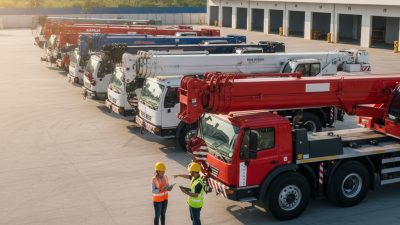
For global buyers, crane rental coverage is more than a map of depots. A project may need a boom crane, certified operator, transport, and maintenance support at one site. Regional providers can respond quickly, while multi-country rental groups may simplify contracts and fleet coordination. Confirm which services are delivered directly and which depend on local partners. Availability varies.
Grand View Research valued the global construction equipment rental market at USD 118.58 billion in 2023 and projected 6.1% annual growth from 2024 to 2030. This covers equipment rental broadly, not boom cranes alone, so treat it as market context rather than a crane-specific forecast. For each region, compare crane capacity, dispatch lead times, operator availability, and repair response. Ask for the actual service radius; a depot shown online may still be several hours from the site. Local knowledge helps, but it is not a substitute for written service commitments.
Tips: Request a sample mobilization plan for each country. Check who handles transport, setup, inspections, and breakdown calls. Ask about peak-season availability, too. Small details matter. A named contact and realistic backup plan can prevent costly delays. You may still find gaps between promised coverage and on-the-ground service; verify before booking.
Top 10 Boom Crane Rental Companies for Global Buyers
Regional Coverage and Service Models for Global Buyers
This neutral planning benchmark compares commonly used crane-rental service models by region. Values represent the percentage mix of direct rental, partner-assisted rental, and project-based lifting services, rather than company-specific results.
Ten Boom Crane Rental Companies to Consider Worldwide
Top 10 Boom Crane Rental Companies for Global Buyers
Ten Boom Crane Rental Companies to Consider Worldwide
Global buyers need more than a daily rental rate when comparing boom crane providers. The right company should offer tested equipment, trained operators, clear maintenance records, and responsive regional support. In my experience, site delays often come from missing documents, not mechanical failure. Capacity is not everything.
A practical shortlist of ten international rental companies should include providers with different strengths. Some specialize in compact boom cranes for urban construction. Others manage heavy lifts, long-reach projects, or rough terrain. Buyers should compare lifting capacity, working radius, transport dimensions, fuel use, and emergency service coverage. Ask for recent inspection certificates and operator qualifications. Details matter.
Reliable providers explain their limitations before signing a contract. They confirm ground conditions, wind restrictions, access routes, and expected load patterns. They also provide transparent insurance terms and replacement plans. A lower price may hide longer mobilization times or weak local support. That matters. Buyers should check references from comparable projects and request a written equipment condition report. I would not pretend every provider performs equally across countries. Some offer excellent machines but slow communication. Others respond quickly but have limited technical depth. Careful comparison, site planning, and direct questions remain essential for choosing a suitable boom crane rental partner worldwide.
Comparing Equipment, Safety Standards, and Rental Terms
Top 10 Boom Crane Rental Companies for Global Buyers
Comparing Equipment, Safety Standards, and Rental Terms
Global buyers should compare more than advertised lifting capacity. A suitable boom crane must match the load chart, boom reach, ground conditions, and site access. Ask each rental company for recent inspection records and maintenance history. Check whether technicians test hydraulic lines, brakes, outriggers, and emergency systems before delivery. Small details matter. A worn outrigger pad can create serious instability on uneven ground.
Safety standards also reveal a provider’s reliability. Look for documented operator training, daily inspection procedures, wind-speed limits, and clear emergency contacts. The company should explain local compliance requirements without vague promises. Rental terms deserve equal attention. Confirm delivery dates, setup charges, fuel responsibility, insurance limits, damage policies, and support during breakdowns. A cheap rate may hide transport costs or expensive idle-time fees. I have seen buyers focus on the hourly price and overlook crane availability during permit delays. That approach needs reflection.
Tips: Request the same quotation format from all ten companies. Compare capacity, reach, inspection dates, operator inclusion, and replacement-crane guarantees. Ask what happens after a mechanical failure. Read extension and cancellation clauses carefully. Keep written records of site measurements and delivery conditions. No checklist is perfect. However, a clear comparison reduces costly surprises and supports safer decisions.