2026 Top Industrial Laser Marking Machines for Global Buyers?
In the fast-evolving landscape of manufacturing, the importance of precision and durability in marking products cannot be overstated. According to Dr. Emily Cheng, a recognized expert in the field of Industrial Laser Marking Machines, “The future of product identification lies in our ability to create lasting, precise marks that enhance traceability.” This insight highlights the critical role these machines play in various industries.
As global buyers seek innovative solutions, the 2026 market promises exciting advancements. Industrial Laser Marking Machines are becoming increasingly essential for businesses aiming to maintain competitiveness. These machines offer enhanced speed and accuracy, reducing production costs and minimizing waste. Details like font clarity and depth durability are crucial in selecting a machine that meets specific needs.
However, challenges persist. With rapid technological changes, businesses may struggle to keep up. Understanding which features are vital can be daunting. Manufacturers must reflect on their requirements and the long-term implications of their choices. Investing in an Industrial Laser Marking Machine requires careful consideration of both current and future needs.
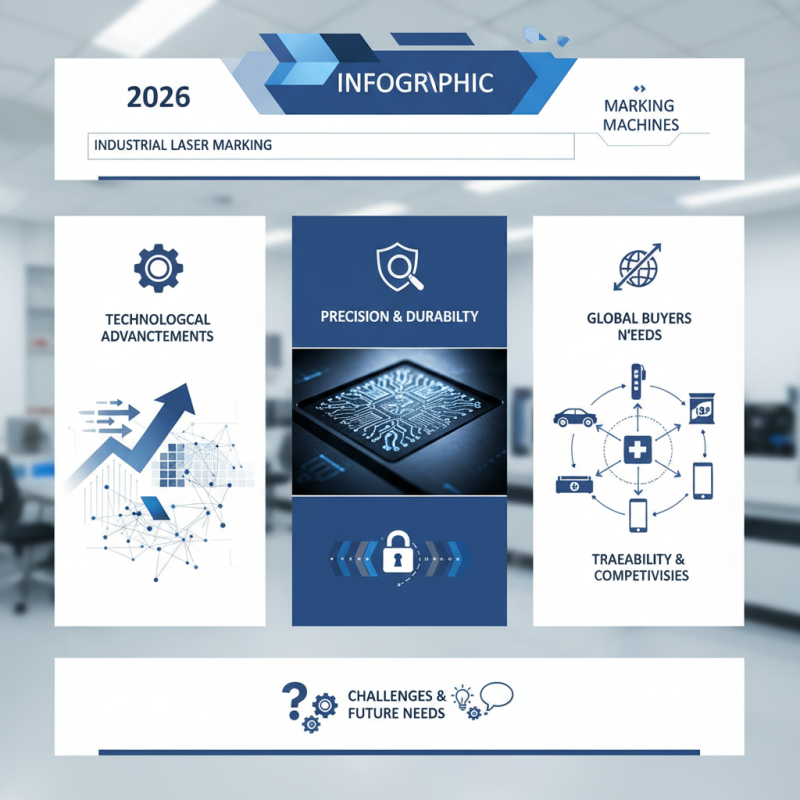
Overview of Industrial Laser Marking Machines in 2026
As industries evolve in 2026, industrial laser marking machines are becoming increasingly vital. These machines offer precision and versatility for various applications. From metal to plastics, their adaptability enhances product branding and traceability. Users can choose from fiber, CO2, or UV lasers based on material compatibility and project requirements.
Understanding specific needs is crucial for buyers. The cost of ownership can vary widely. While some machines may have a lower purchase price, their operational efficiency can determine long-term value. For instance, maintenance costs are often overlooked but can significantly impact overall expenses. Some users report challenges in finding skilled technicians for repairs, which is essential for minimizing downtime.
Moreover, the market is rapidly changing. Manufacturers are focusing on increasing automation in their machines. This shift can lead to faster production rates and improved accuracy. However, buyers must consider the learning curve associated with advanced features. Many users have voiced concerns about the complexity of operation and the need for ongoing training. Balancing technology and usability remains a key challenge in this sector.
Key Features to Consider When Choosing Laser Marking Machines
When selecting a laser marking machine, several key features are vital. One primary aspect is the type of laser technology used. CO2 lasers are ideal for organic materials, while fiber lasers excel at marking metals. The choice of technology can significantly affect your production quality.
Another crucial factor is marking speed. Studies show that faster machines can increase productivity by up to 30%. However, this should not compromise accuracy. A balance must be maintained to avoid errors, which can lead to wastage.
Tips: Always assess your specific needs. Consider the materials you will mark and the volume of production. Choosing the right wattage also impacts performance. Machines that operate at a lower wattage might struggle with harder materials.
Lastly, software compatibility plays a role in usability. Some machines come with advanced software for customization. Proper software can streamline operations, making adjustments more straightforward. It's essential to conduct thorough research and gather insights from industry reports to ensure your choice aligns with future trends and demands.
Top Brands and Manufacturers of Industrial Laser Marking Machines
The industrial laser marking machine market is evolving quickly. Reports indicate a compound annual growth rate (CAGR) of around 8% from 2021 to 2026. This growth indicates an increasing demand for precision marking in various industries. Manufacturers are focusing on advancements in laser technology, improving speed and accuracy.
Key players in this sector are investing heavily in research and development. In 2022 alone, companies spent millions to enhance laser systems. These improvements help businesses achieve better traceability and branding. For instance, fiber lasers are becoming popular due to their ability to mark on a wide range of materials efficiently.
However, the landscape is not without its challenges. Companies must navigate issues like rising production costs and regulatory compliance. The global shift towards environmentally friendly practices adds another layer of complexity. Many professionals question whether current growth can be sustained without innovation in sustainable technologies.
2026 Top Industrial Laser Marking Machines for Global Buyers
| Model | Laser Type | Max Marking Speed (mm/s) | Laser Power (W) | Applications |
| Model A | Fiber Laser | 8000 | 20 | Metal, Plastic |
| Model B | CO2 Laser | 6000 | 30 | Wood, Glass |
| Model C | YAG Laser | 5000 | 50 | Metals, Ceramics |
| Model D | Fiber Laser | 10000 | 50 | Plastic, Rubber |
| Model E | UV Laser | 5000 | 10 | Plastics, Electronics |
Applications of Laser Marking Technology Across Different Industries
Laser marking technology plays a significant role across various industries. It provides precise and permanent markings on materials. This technology finds extensive application in manufacturing, retail, and aerospace. For instance, automotive parts often require clear identification for quality assurance. This ensures traceability and meets safety regulations.
In the food and beverage sector, laser marking is used for product labeling. It creates durable markings that withstand extreme conditions. However, the adoption of this technology raises questions about cost-effectiveness. Some companies hesitate due to high initial investments. They must weigh the long-term benefits against upfront expenditures.
Despite its advantages, laser marking is not without challenges. Material compatibility can sometimes lead to inconsistencies. In certain cases, the markings may fade over time. Businesses must invest in proper training and maintenance. Understanding these nuances is crucial for optimal implementation.
Future Trends in Laser Marking Technology and Market Opportunities
The future of laser marking technology is promising and exciting. As industries seek more efficient ways to mark and trace products, laser marking machines are evolving rapidly. Key trends point to increased automation and integration with artificial intelligence. These innovations streamline production processes and enhance precision in marking.
Moreover, the market for laser marking will likely expand into new sectors. As manufacturers embrace sustainability, the demand for eco-friendly marking solutions will rise. Companies are recognizing the importance of minimizing waste. However, the initial investment in advanced technology remains a barrier for some businesses. Many might hesitate to adopt new systems without clear evidence of return on investment.
Additionally, user-friendly interfaces are becoming vital for these machines. Proper training is essential to ensure that operators can utilize the technology effectively. There could be challenges, such as the need for continuous updates and maintenance. Companies will need to weigh the costs against the benefits carefully. The balance between innovation and practicality must be navigated thoughtfully.
2026 Top Industrial Laser Marking Machines Market Trends